
Before Memmo my notes were scattered across PDFs. Now a workspace pulls everything into one place — I see exactly what's still left to study.
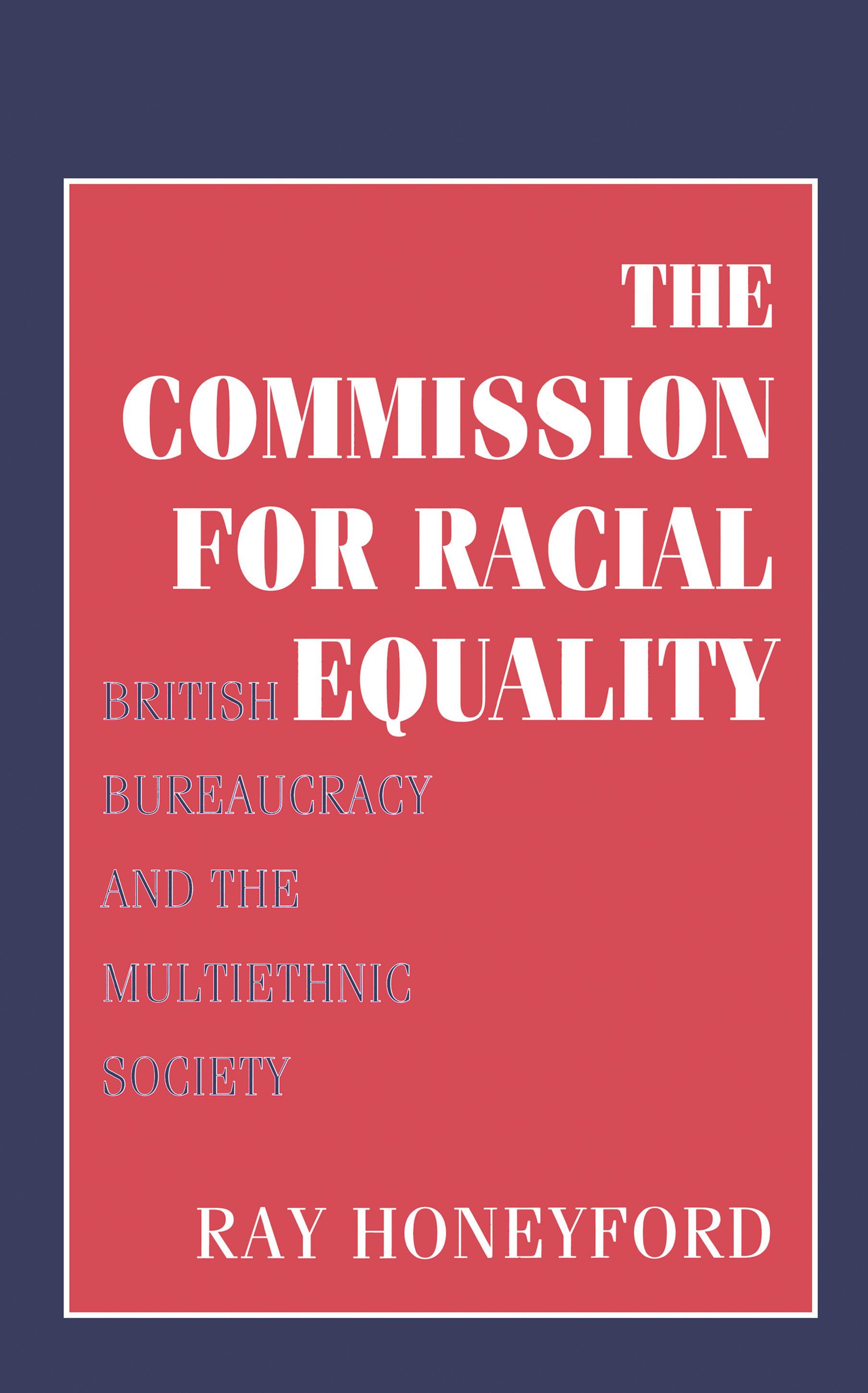
In the United Kingdom, as in the United States, race relations are surrounded with taboos defined by the politically correct concepts of what Ray Honeyford calls the race relations lobby. This lobby, championed by the Commission for Racial Equality (CRE) has a vested interest in depicting the United Kingdom as a society rotten with endemic racism, and its ethnic minorities as victims doomed to failure. An outgrowth of the Race Relations Act of 1976, the Commission was founded in response to worthy concerns about race and patterned after its American prototype, the Congress of Racial Equality. Its constant demands for increased powers have only increased with the coming into power of the New Labour Party. That makes Ray Honeyford's critique all the more urgent. Honeyford exposes the policies and practices of the Commission to public view, encouraging informed debate about its need to exist. The CRE possesses considerable legal powers—powers which seriously undermine the great freedoms of association, contract, and speech as-sociated with the United Kingdom. Without denying the presence of racial prejudice, Honeyford shows that the picture of the United Kingdom as a divisive nation is a serious misrepresentation.
Placing the CRE in its historical and political context, Honeyford outlines its powers, and analyzes its formal investigations in the fields of education, employment, and housing. He also examines its publicity machine and its effect on public and educational libraries. He points out the danger of uncritically replicating the American experience. According to Honeyford, Americans have replaced a melting-pot notion of society, with all citizens loyal to a national ideal, with a "tossed-salad" concept which encourages the creation of self-conscious, separate, and aggressive ethnic groups, each claiming special access to the public purse, and having little regard for national cohesion and individual liberties.
Before Memmo my notes were scattered across PDFs. Now a workspace pulls everything into one place — I see exactly what's still left to study.
Memmo's summaries are gold before exams. I don't have to re-read 800 pages two weeks before — just the important parts.
The AI chat has saved me the night before an exam more than once. I just keep asking until I get it — no waiting on a study group to reply.
The quizzes hit exactly what I need to know. Memmo tracks what I get stuck on — so I only practice what's worth it.
Flashcards with spaced repetition are magic. Memmo knows when I'm about to forget something and brings it back.
The AI podcasts are my favorite. I listen on my way to school and get a recap without sitting at a computer.

Handbok i kvalitativa metoder
281 kr

Hållbar utveckling: en introduktion för ingenjörer och andra problemlösare
334 kr

Brymans Samhällsvetenskapliga metoder
390 kr

Projektledning
491 kr

Den orättvisa hälsan: om socioekonomiska skillnader i hälsa och livslängd
326 kr

Organizational Leadership
429 kr

Vetenskapsteori för nybörjare
196 kr

På väg mot läraryrket
172 kr

Det sociala livet i skolan: Socialpsykologiska perspektiv
253 kr

Betygsättningens didaktik
151 kr

Personality
402 kr

Studying Leadership
404 kr

Managing Innovation
477 kr

Introduktion till samhällsvetenskaplig metod
347 kr

The Psychology of Sex and Gender
698 kr

Evidens och kunskap för socialt arbete
207 kr

Introduction to Leadership
605 kr