
Before Memmo my notes were scattered across PDFs. Now a workspace pulls everything into one place — I see exactly what's still left to study.
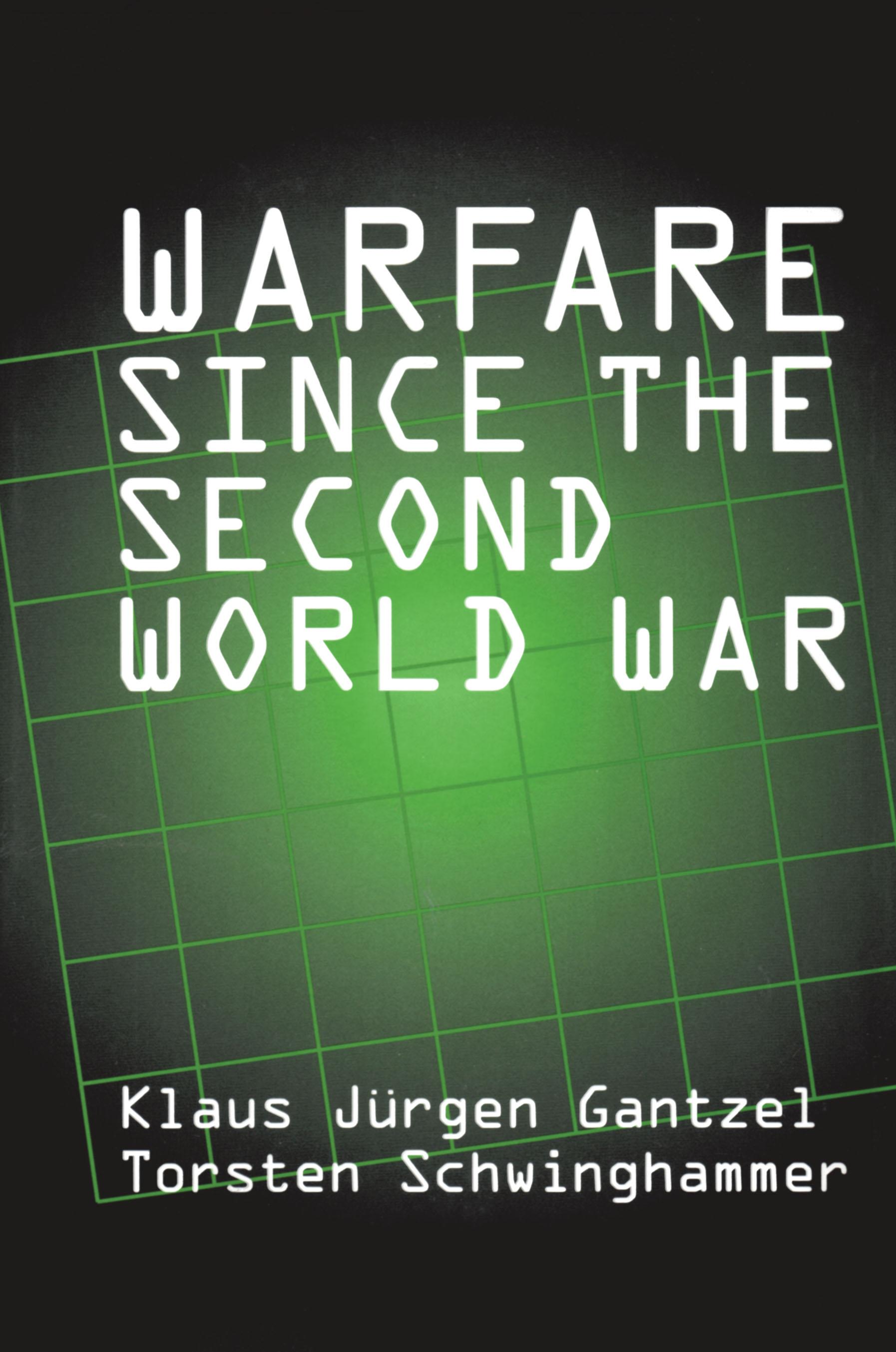
Warfare Since the Second World War presents a wealth of analysis and data about one of the most pressing questions of our time: why does war continue to plague us fifty years after World War II? This book argues that the nature of war has shifted from inter-state conflicts toward internal conflicts, above all civil war. Low-intensity conflict helps explain the constant increase in wars over the last fifty years and makes it probable this trend will continue. Gantzel and Schwinghammer argue that modern warfare reflects a continuation of the nation-state-building process begun in nineteenth-century Europe.In their analysis, economic modernization and social integration destroy traditional relations and create instability in the developing world. While these forces were successfully harnessed by the modern state in Europe and North America, economic and political globalization make a similar resolution considerably more complex. In addition to their insightful analysis, the authors provide a detailed list of all wars fought from 1945 to 1995. The authors' lucid explanatory commentaries are accompanied by lists, tables, and charts. In addition to a detailed war register, upon which all statistical data and analyses for the volume are based, there are appendices with directories useful for locating specific wars, as well as several supplementary lists. An afterword brings the reader closer to the world situation as we conclude the twentieth century; including the impact of political developments in Eastern Europe.Beyond its historical dimension, this book offers a policy-relevant empirical demonstration of the ongoing increase in internal (civil) wars and addresses the inability of modern society to prevent this scourge. Warfare Since the Second World War is an indispensable resource for anyone concerned with issues of war and peace, development, and the future of international relations.
Before Memmo my notes were scattered across PDFs. Now a workspace pulls everything into one place — I see exactly what's still left to study.
Memmo's summaries are gold before exams. I don't have to re-read 800 pages two weeks before — just the important parts.
The AI chat has saved me the night before an exam more than once. I just keep asking until I get it — no waiting on a study group to reply.
The quizzes hit exactly what I need to know. Memmo tracks what I get stuck on — so I only practice what's worth it.
Flashcards with spaced repetition are magic. Memmo knows when I'm about to forget something and brings it back.
The AI podcasts are my favorite. I listen on my way to school and get a recap without sitting at a computer.

Handbok i kvalitativa metoder
281 kr

Hållbar utveckling: en introduktion för ingenjörer och andra problemlösare
334 kr

Brymans Samhällsvetenskapliga metoder
390 kr

Projektledning
491 kr

Den orättvisa hälsan: om socioekonomiska skillnader i hälsa och livslängd
326 kr

Vetenskapsteori för nybörjare
196 kr

Organizational Leadership
429 kr

På väg mot läraryrket
172 kr

Det sociala livet i skolan: Socialpsykologiska perspektiv
253 kr

Betygsättningens didaktik
151 kr

Personality
402 kr

Studying Leadership
404 kr

Managing Innovation
477 kr

Introduktion till samhällsvetenskaplig metod
347 kr

The Psychology of Sex and Gender
698 kr

Evidens och kunskap för socialt arbete
207 kr

Introduction to Leadership
605 kr