
Before Memmo my notes were scattered across PDFs. Now a workspace pulls everything into one place — I see exactly what's still left to study.
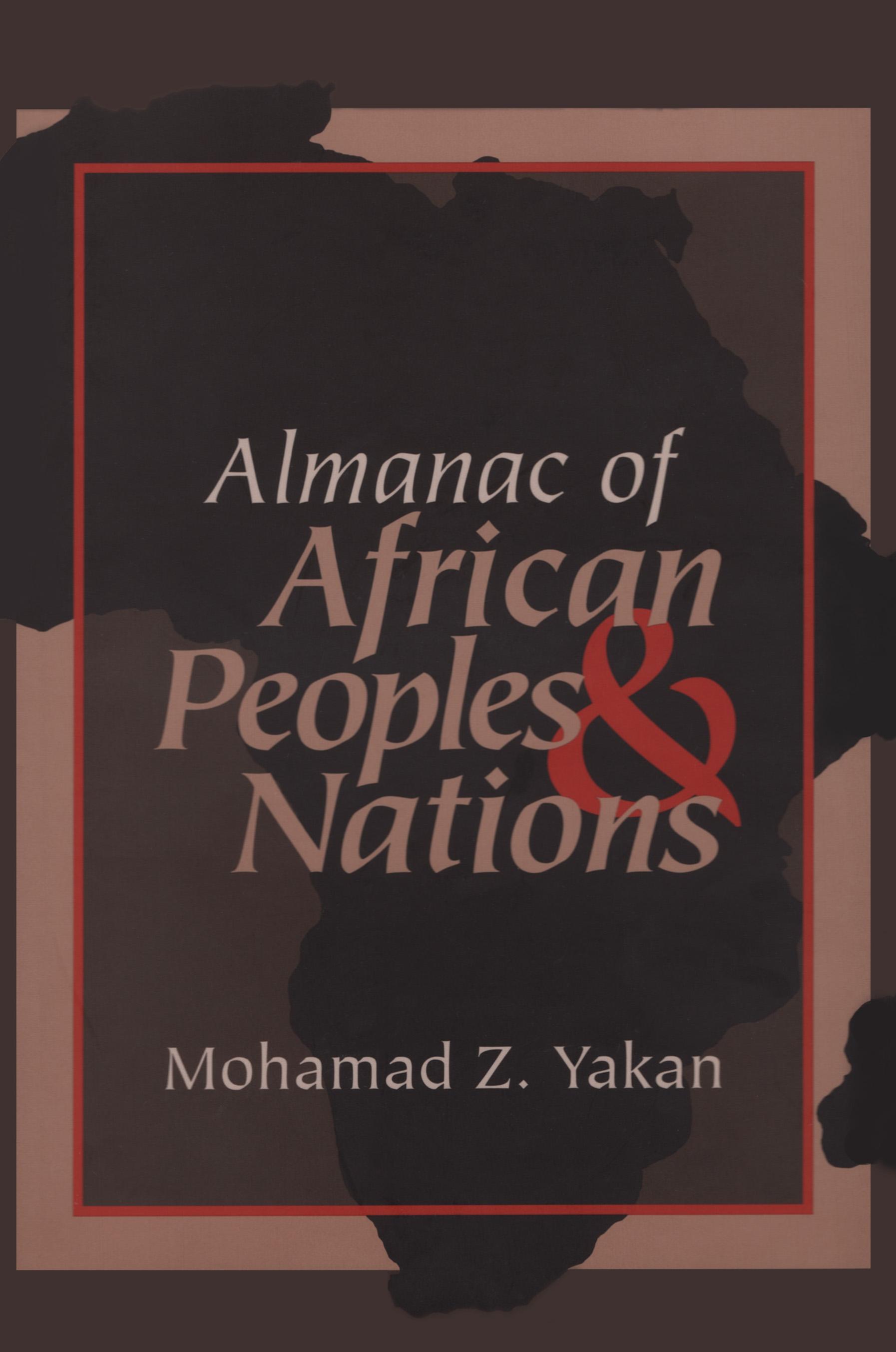
The peoples of Africa are neither ethnically, culturally, nor religiously homogeneous. European colonial powers took little note of this reality in carving up the continent, a fact reflected in the periodic outbreak of civil war since decolonialization. Likewise, Western European models of development, whether in their liberal or Marxist manifestations, have so far failed to meet African development needs. The path to stability in Africa is through its people's character and goals. Almanac of African Peoples and Nations provides an essential guide to the major ethnic groups of the African continent, highlighting the major contributions and basic features of each.The Almanac reviews Africa's language families and their respective national and geographic concentrations, explaining ethnic classification based on linguistic difference and including language groups that are not indigenous to Africa. The major African peoples are then listed by country with a statistical breakdown on their respective shares in the total population of each country and maps indicating their concentration. The major section of the volume includes a comprehensive listing and descriptive profile of each ethnic, national, and tribal group detailing their history, customs, economic systems, and political and social organizations. The Almanac points out as well which groups support revisionist political aspirations and shows the internal and external pressures they are subject to. Yakan notes that African societies are not highly integrated and must support multitudes of influential sub-cultures with conflicting agendas and loyalties. Arguing that tribalism reflects Africa's historical experience and cultural heritage, he sees the resolution of the continent's problems in consociational democracy, proportional representation, federalism, or some form of autonomous rule.
Before Memmo my notes were scattered across PDFs. Now a workspace pulls everything into one place — I see exactly what's still left to study.
Memmo's summaries are gold before exams. I don't have to re-read 800 pages two weeks before — just the important parts.
The AI chat has saved me the night before an exam more than once. I just keep asking until I get it — no waiting on a study group to reply.
The quizzes hit exactly what I need to know. Memmo tracks what I get stuck on — so I only practice what's worth it.
Flashcards with spaced repetition are magic. Memmo knows when I'm about to forget something and brings it back.
The AI podcasts are my favorite. I listen on my way to school and get a recap without sitting at a computer.

Handbok i kvalitativa metoder
281 kr

Hållbar utveckling: en introduktion för ingenjörer och andra problemlösare
334 kr

Brymans Samhällsvetenskapliga metoder
390 kr

Projektledning
491 kr

Den orättvisa hälsan: om socioekonomiska skillnader i hälsa och livslängd
326 kr

Vetenskapsteori för nybörjare
196 kr

Organizational Leadership
429 kr

På väg mot läraryrket
172 kr

Det sociala livet i skolan: Socialpsykologiska perspektiv
253 kr

Betygsättningens didaktik
151 kr

Personality
402 kr

Studying Leadership
404 kr

Managing Innovation
477 kr

Introduktion till samhällsvetenskaplig metod
347 kr

The Psychology of Sex and Gender
698 kr

Evidens och kunskap för socialt arbete
207 kr

Introduction to Leadership
605 kr