
Before Memmo my notes were scattered across PDFs. Now a workspace pulls everything into one place — I see exactly what's still left to study.
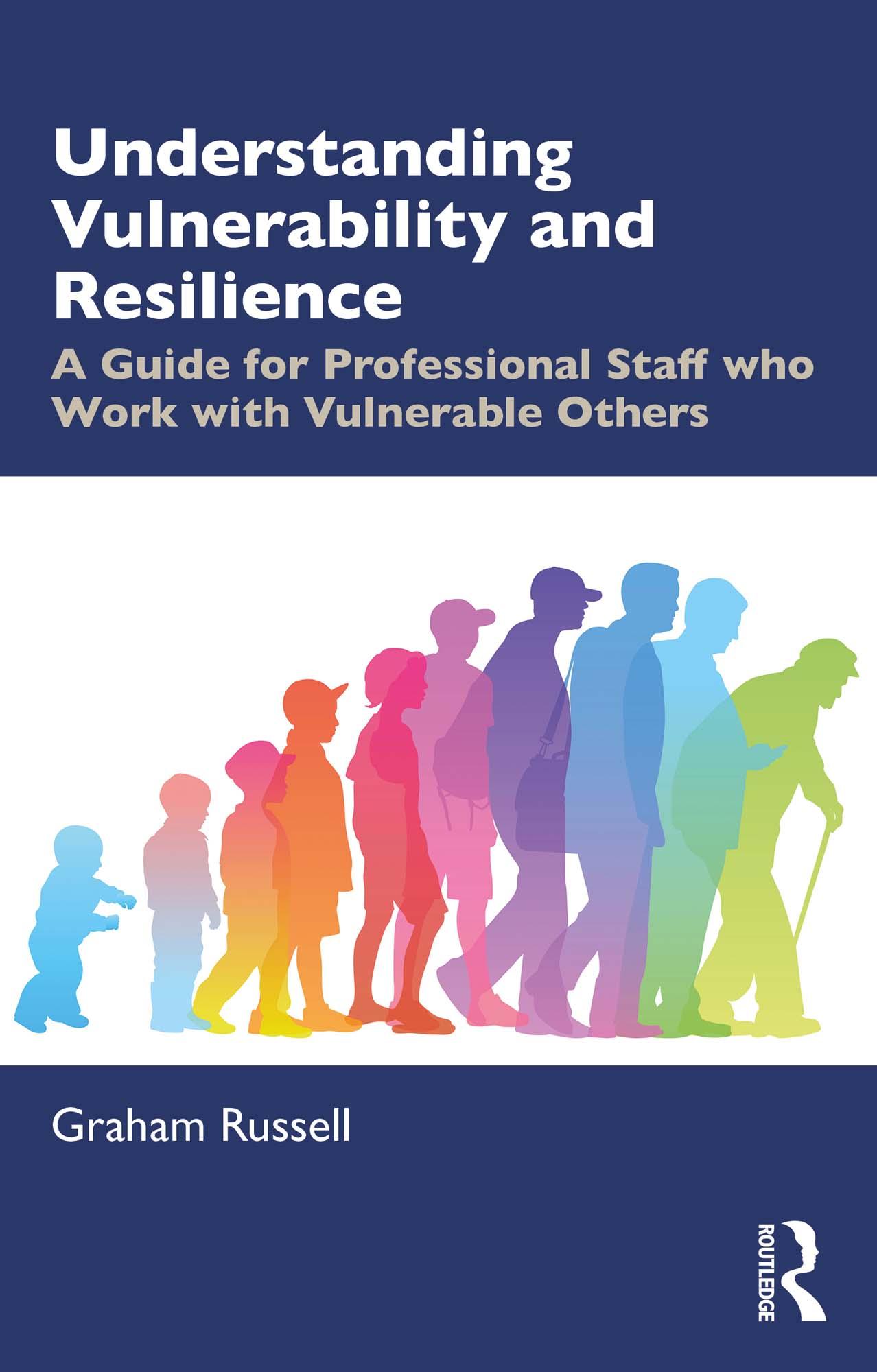
This book offers an accessible and evidence-based approach for professional staff to improve their interactions with vulnerable people. Drawing upon contemporary research from a broad array of disciplines, including psychology, sociology, economics, biology and the neurosciences, it demonstrates how vulnerability and resilience are not fixed personality traits, as is commonly assumed, but rather fluid and dynamic states that result from inhibitory and developmental factors that reside within individuals and their external environments.
Each chapter focuses on factors that create vulnerability and those that promote resilience with reference to important subjects, such as child development, epigenetics, trauma, shame, addiction, poverty, emotional intelligence, personality, empathy, compassion and behaviour-change. Attention is given to the role of positive, early life experiences in creating an internal working model of the world that is based on trust, intimacy and hope and how the root causes of vulnerability often lie in the cyclical relationship that exists between child maltreatment, trauma and socially deprived environments that cumulatively act to keep people locked in states of inter-generational poverty. The author explores pressing and important workplace issues, such as occupational stress and burnout, and highlights the urgent need for compassionate systems of management that are functionally equipped to address human error, stress and trauma in complex professional arenas where staff are continually exposed to other peoples’ suffering. The book also demonstrates how strategies and processes which coerce individuals and groups into changing their behaviour are generally counterproductive and it explains how resilient change is invariably supported by strategies that enhance trust, cooperation, personal control and self-efficacy.
This book will benefit professional staff, including health, emergency and social services, humanitarian workers, counsellors and therapists, as well as students who want to learn more about the conceptual frameworks that explain vulnerability and resilience.
Before Memmo my notes were scattered across PDFs. Now a workspace pulls everything into one place — I see exactly what's still left to study.
Memmo's summaries are gold before exams. I don't have to re-read 800 pages two weeks before — just the important parts.
The AI chat has saved me the night before an exam more than once. I just keep asking until I get it — no waiting on a study group to reply.
The quizzes hit exactly what I need to know. Memmo tracks what I get stuck on — so I only practice what's worth it.
Flashcards with spaced repetition are magic. Memmo knows when I'm about to forget something and brings it back.
The AI podcasts are my favorite. I listen on my way to school and get a recap without sitting at a computer.

Handbok i kvalitativa metoder
281 kr

Hållbar utveckling: en introduktion för ingenjörer och andra problemlösare
334 kr

Brymans Samhällsvetenskapliga metoder
390 kr

Projektledning
491 kr

Den orättvisa hälsan: om socioekonomiska skillnader i hälsa och livslängd
326 kr

Organizational Leadership
429 kr

Vetenskapsteori för nybörjare
196 kr

På väg mot läraryrket
172 kr

Det sociala livet i skolan: Socialpsykologiska perspektiv
253 kr

Betygsättningens didaktik
151 kr

Personality
402 kr

Studying Leadership
404 kr

Managing Innovation
477 kr

Introduktion till samhällsvetenskaplig metod
347 kr

The Psychology of Sex and Gender
698 kr

Evidens och kunskap för socialt arbete
207 kr

Introduction to Leadership
605 kr