
Before Memmo my notes were scattered across PDFs. Now a workspace pulls everything into one place — I see exactly what's still left to study.
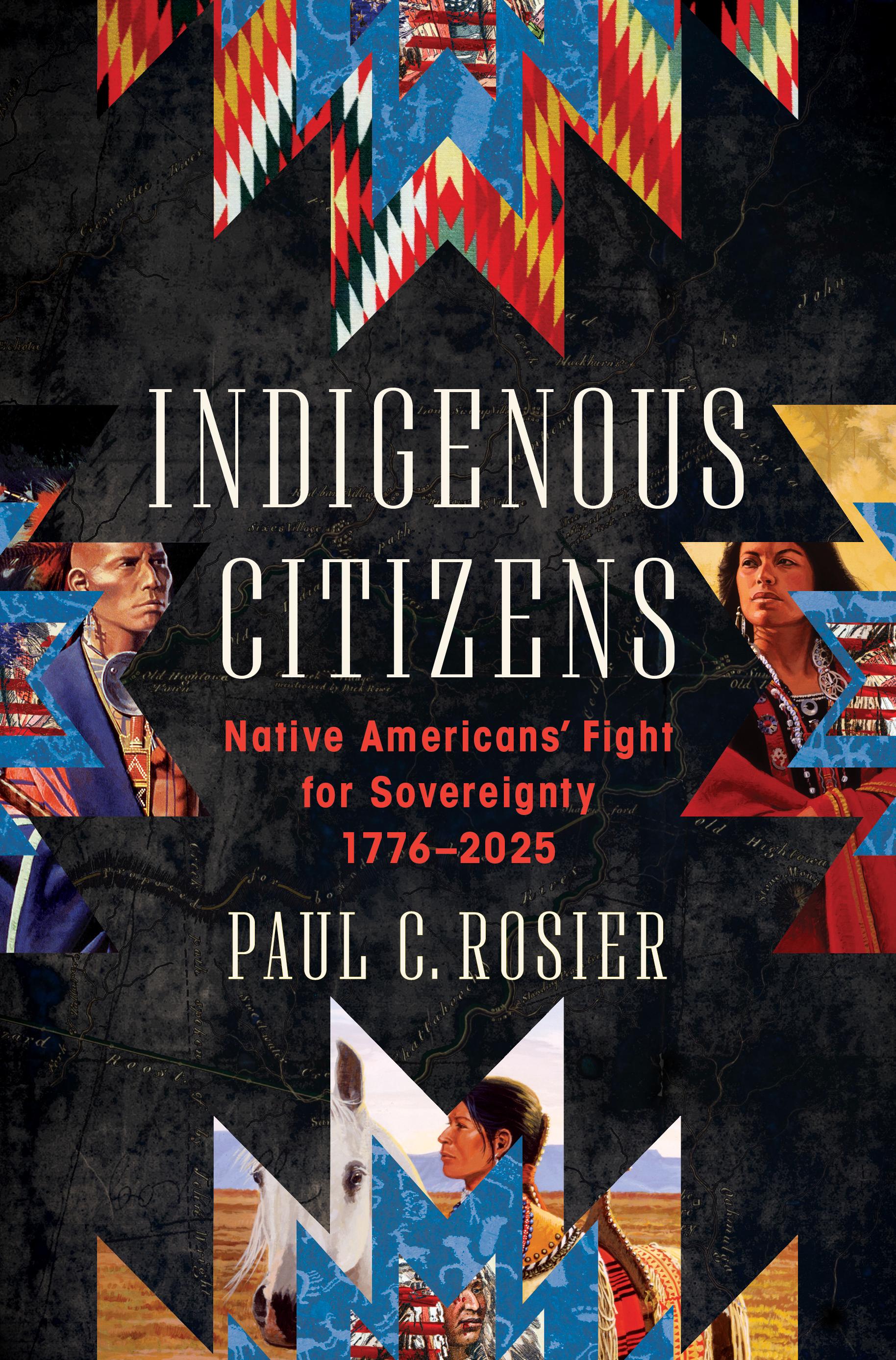
A sweeping history of Native Americans’ fraught relationship with United States citizenship and their efforts to protect tribal sovereignty.
Only Native Americans have held the political identity of being citizens of nations within a nation. After the American Revolution, they had to decide whether gaining United States citizenship would help to preserve their rights and property or be used to take them away—and they found out that either decision could end in loss.
To understand the profound consequences of their choices, historian Paul C. Rosier creates a sweeping portrait of the broad history of Indigenous Americans. Indigenous Citizens is unique in its breadth, its focus on the evolution of Native Americans’ dual citizenship, and its coverage of Indigenous issues from the founding of the United States through the twenty-first century.
This masterful work highlights Native people’s efforts to preserve their tribal sovereignty and to secure the civil rights afforded to other Americans. In it, Rosier chronicles Native Americans’ extraordinary resistance to colonialism, forced removals from ancestral homelands, and coercion into Indian Boarding Schools, even as the United States government broke treaty after treaty. He explores how Native people defended their right to be both Native and American. Native Americans differ religiously, culturally, and politically. But, as Rosier weaves together their experiences negotiating tribal, state, and national status, he reveals their vision for a country that could live up to the ideals of its Constitution. Through military service, activism, and political writings, Native people have long championed their belief in a United States of civil liberties and called on it to honor its legal obligations.
In Indigenous Citizens, Rosier demonstrates how their campaigns for justice have helped to expand, redefine, and strengthen democratic freedoms for all American citizens, even as the rights of their citizenship continue to be contested.
Before Memmo my notes were scattered across PDFs. Now a workspace pulls everything into one place — I see exactly what's still left to study.
Memmo's summaries are gold before exams. I don't have to re-read 800 pages two weeks before — just the important parts.
The AI chat has saved me the night before an exam more than once. I just keep asking until I get it — no waiting on a study group to reply.
The quizzes hit exactly what I need to know. Memmo tracks what I get stuck on — so I only practice what's worth it.
Flashcards with spaced repetition are magic. Memmo knows when I'm about to forget something and brings it back.
The AI podcasts are my favorite. I listen on my way to school and get a recap without sitting at a computer.

Handbok i kvalitativa metoder
281 kr

Hållbar utveckling: en introduktion för ingenjörer och andra problemlösare
334 kr

Brymans Samhällsvetenskapliga metoder
390 kr

Projektledning
491 kr

Den orättvisa hälsan: om socioekonomiska skillnader i hälsa och livslängd
326 kr

Vetenskapsteori för nybörjare
196 kr

Organizational Leadership
429 kr

På väg mot läraryrket
172 kr

Det sociala livet i skolan: Socialpsykologiska perspektiv
253 kr

Betygsättningens didaktik
151 kr

Personality
402 kr

Studying Leadership
404 kr

Managing Innovation
477 kr

Introduktion till samhällsvetenskaplig metod
347 kr

The Psychology of Sex and Gender
698 kr

Evidens och kunskap för socialt arbete
207 kr

Introduction to Leadership
605 kr