
Before Memmo my notes were scattered across PDFs. Now a workspace pulls everything into one place — I see exactly what's still left to study.
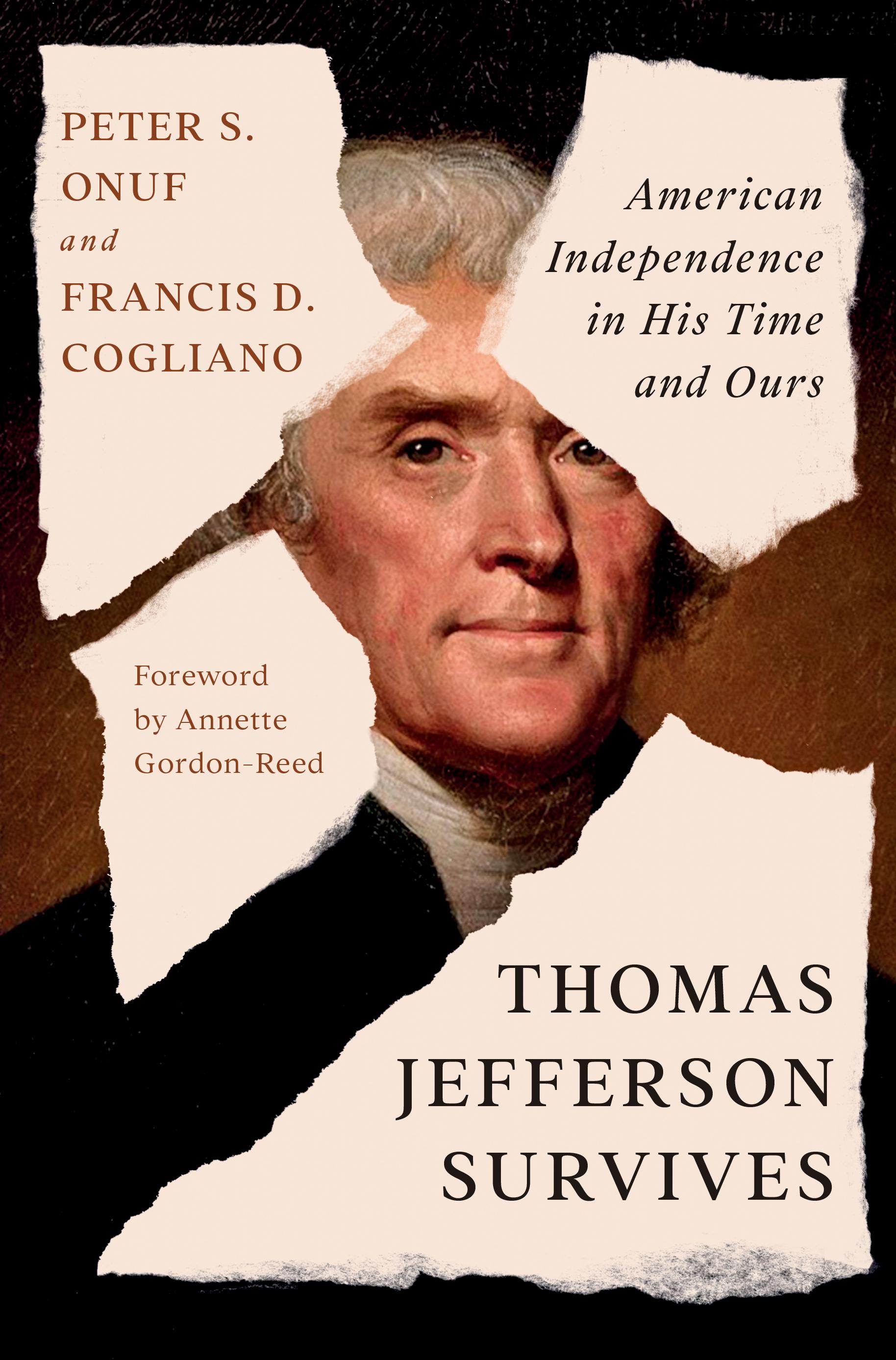
“Does Thomas Jefferson still matter?” ask two leading historians on the 250th anniversary of the Declaration of Independence.
Thomas Jefferson has been reinvented more than perhaps any American president in history. In the nineteenth century, slavery’s defenders invoked Jefferson’s defense of states’ rights while abolitionists drew on his antislavery writings in support of their cause. After the Civil War, Jefferson’s reputation declined because of his association with secession and disunion, but in the twentieth century, his image soared as he came to embody the democratic values America fought for during World War II.
Unsurprisingly, Jefferson’s legacy has shifted yet again in the twenty-first century, effectively becoming a partisan talisman—jettisoned by the left as a plantation patriarch and repurposed by the right as an avatar of white nationalism. Dissatisfied with these political caricatures and manic swings, leading Jefferson scholars Peter S. Onuf and Francis D. Cogliano instead situate the founding father in his complicated historical context and reveal how his wisdom can be applied today.
In a series of three interrelated essays, the authors paint a nuanced portrait. “Generations” elucidates how Jefferson’s understanding of history shaped his responses to the major problems of his time. “My Country” delves into how he conceived of the American homeland, and “The People” unravels how Jefferson articulated a new national identity in the Declaration of Independence.
Taken together, Thomas Jefferson Survives demonstrates how even amid crisis, Jefferson managed to articulate a capacious and optimistic vision for the future of the American people. As Pulitzer Prize–winning historian Annette Gordon-Reed writes in her foreword, “As much as Jefferson reflected the often-benighted times in which he lived, he rose above them in ways that have a great deal to tell us about the political straits in which we find ourselves.” After all, Jefferson knew better than anyone that 1776 was an important moment, but not the only moment, for Americans to write a better future.
Before Memmo my notes were scattered across PDFs. Now a workspace pulls everything into one place — I see exactly what's still left to study.
Memmo's summaries are gold before exams. I don't have to re-read 800 pages two weeks before — just the important parts.
The AI chat has saved me the night before an exam more than once. I just keep asking until I get it — no waiting on a study group to reply.
The quizzes hit exactly what I need to know. Memmo tracks what I get stuck on — so I only practice what's worth it.
Flashcards with spaced repetition are magic. Memmo knows when I'm about to forget something and brings it back.
The AI podcasts are my favorite. I listen on my way to school and get a recap without sitting at a computer.

Handbok i kvalitativa metoder
281 kr

Hållbar utveckling: en introduktion för ingenjörer och andra problemlösare
334 kr

Brymans Samhällsvetenskapliga metoder
390 kr

Projektledning
491 kr

Den orättvisa hälsan: om socioekonomiska skillnader i hälsa och livslängd
326 kr

Organizational Leadership
429 kr

Vetenskapsteori för nybörjare
196 kr

På väg mot läraryrket
172 kr

Det sociala livet i skolan: Socialpsykologiska perspektiv
253 kr

Betygsättningens didaktik
151 kr

Personality
402 kr

Studying Leadership
404 kr

Managing Innovation
477 kr

Introduktion till samhällsvetenskaplig metod
347 kr

The Psychology of Sex and Gender
698 kr

Evidens och kunskap för socialt arbete
207 kr

Introduction to Leadership
605 kr