
Before Memmo my notes were scattered across PDFs. Now a workspace pulls everything into one place — I see exactly what's still left to study.
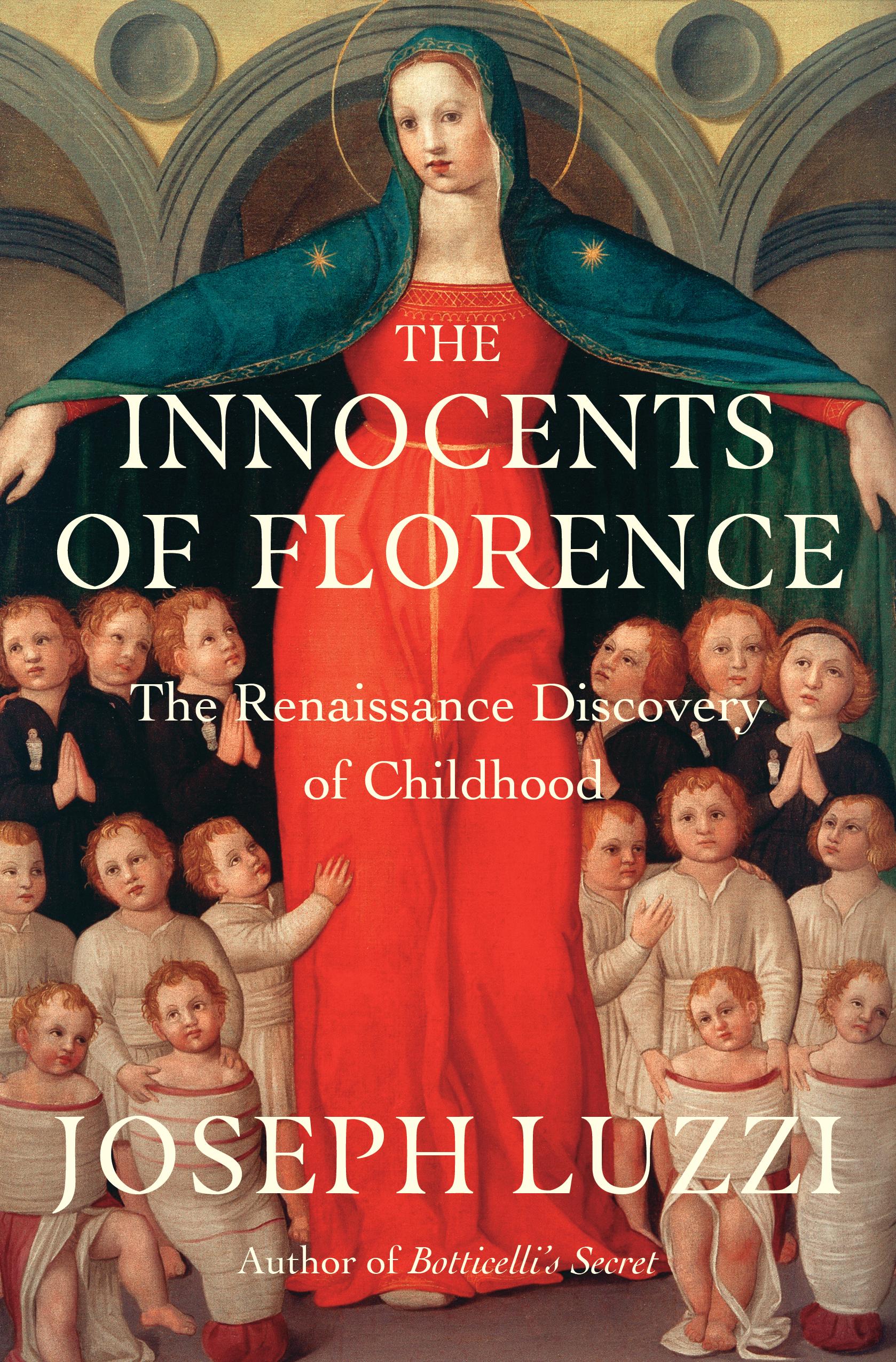
One of The New Yorker's Best Books of 2025
How a Florentine orphanage rescued thousands of children and revolutionized childhood education amid the splendor of Renaissance art.
The story begins with the abandonment of the newborn Agata Smeralda on February 5, 1445, in Florence’s Hospital of the Innocents, the first—but certainly not the last—child to be left at its doors. In an era when children were frequently abandoned, often trafficked or left to die on the streets, an orphanage devoted to their care and protection was a striking innovation. The Innocenti, as it has come to be called—the first orphanage in Europe devoted exclusively to unwanted children—would go on to care for nearly 400,000 young lives over the next five centuries.
Built by the Silk Weavers Guild at a time when the wealthy were expected to contribute to civic life, the Innocenti featured glorious arches designed by Filippo Brunelleschi and housed works by some of the greatest artists of the Renaissance, from the painter Domenico Ghirlandaio to the sculptor Luca della Robbia. Meanwhile, the new orphanage also redefined the idea of “childhood” itself, particularly in education, as boys were often taught not just Latin and basic numeracy, but also a well-rounded curriculum that included art, literature, and music. Girls learned viable trades such as weaving and silk manufacturing, and the Innocenti assisted them in securing suitable marriages to protect them from poverty or a life of prostitution. Over the centuries, the orphanage oversaw groundbreaking scientific discoveries—it was a birthplace of modern pediatrics—while struggling against rampant disease, constant financial crises, and the dramatic ups and downs of Florentine politics in the Medici era
Reflecting in a touching preface on the major caregivers in his own life, Joseph Luzzi narrates the fascinating history of this revolutionary orphanage, offering readers the first comprehensive “biography” of a groundbreaking humanitarian institution that recognized poor and abandoned children as worthy of nurture—and thereby shaped education and childcare for generations to come.
Before Memmo my notes were scattered across PDFs. Now a workspace pulls everything into one place — I see exactly what's still left to study.
Memmo's summaries are gold before exams. I don't have to re-read 800 pages two weeks before — just the important parts.
The AI chat has saved me the night before an exam more than once. I just keep asking until I get it — no waiting on a study group to reply.
The quizzes hit exactly what I need to know. Memmo tracks what I get stuck on — so I only practice what's worth it.
Flashcards with spaced repetition are magic. Memmo knows when I'm about to forget something and brings it back.
The AI podcasts are my favorite. I listen on my way to school and get a recap without sitting at a computer.

Handbok i kvalitativa metoder
281 kr

Hållbar utveckling: en introduktion för ingenjörer och andra problemlösare
334 kr

Brymans Samhällsvetenskapliga metoder
390 kr

Projektledning
491 kr

Den orättvisa hälsan: om socioekonomiska skillnader i hälsa och livslängd
326 kr

Vetenskapsteori för nybörjare
196 kr

Organizational Leadership
429 kr

På väg mot läraryrket
172 kr

Det sociala livet i skolan: Socialpsykologiska perspektiv
253 kr

Betygsättningens didaktik
151 kr

Personality
402 kr

Studying Leadership
404 kr

Managing Innovation
477 kr

Introduktion till samhällsvetenskaplig metod
347 kr

The Psychology of Sex and Gender
698 kr

Evidens och kunskap för socialt arbete
207 kr

Introduction to Leadership
605 kr