
Before Memmo my notes were scattered across PDFs. Now a workspace pulls everything into one place — I see exactly what's still left to study.
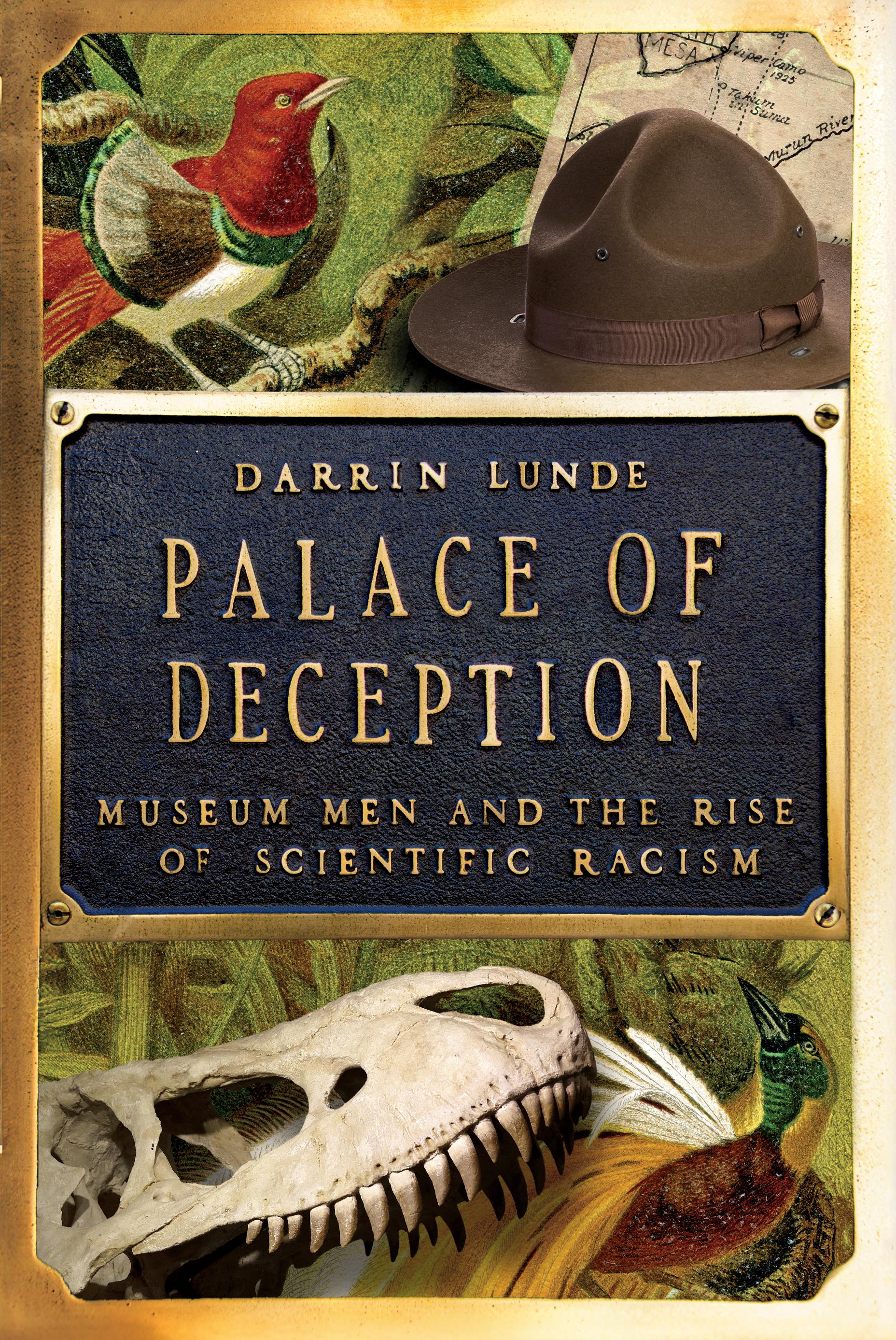
An eye-opening look into the founding of the American Museum of Natural History and its original racial underpinnings.
From 1908 to 1933, the American Museum of Natural History launched more scientific field expeditions than at any other time in its existence. Sponsoring lavish trips to Africa and Central Asia, the museum filled its halls with artifacts and an aura of adventure, supported by some of New York City’s most prominent men, including Theodore Roosevelt and J. P. Morgan. All the while, the museum’s then president, Henry Fairfield Osborn, attempted to use his adventurers’ expeditions to fulfill a personal agenda: to propagate his belief in racial hierarchy.
Palace of Deception uncovers the complicated legacy of three iconic figures of the American Museum: the preeminent explorer Roy Chapman Andrews; Carl Akeley, the pioneering taxidermist who created so many of the museum’s most memorable exhibits; and Osborn, the museum’s president, who was once considered an authority on everything from paleontology and evolution to race and eugenics. From Andrews’s ambitions searching for fossils in the Gobi Desert to the construction of Akeley’s artistic masterpiece, the Hall of African Mammals, Darrin Lunde tells the story of the American’s Museum foundational years. Lunde also shows how the achievements of the museum’s adventurers were used to introduce residents of New York to a version of the natural world—one full of strict natural laws and categories—endorsed by the museum’s powerful leader.
Based on extensive diaries, letters, journals, and the author’s own experiences leading modern-day expeditions to several of the same places, Palace of Deception re-creates some of the most celebrated, globe-trotting journeys from natural history’s heyday. It also traces the larger, racially infused milieu that underwrote the golden age of exploration, uncovering the simmering anxieties about race behind the era’s greatest adventures. It is a legacy that still haunts natural history institutions today.
Before Memmo my notes were scattered across PDFs. Now a workspace pulls everything into one place — I see exactly what's still left to study.
Memmo's summaries are gold before exams. I don't have to re-read 800 pages two weeks before — just the important parts.
The AI chat has saved me the night before an exam more than once. I just keep asking until I get it — no waiting on a study group to reply.
The quizzes hit exactly what I need to know. Memmo tracks what I get stuck on — so I only practice what's worth it.
Flashcards with spaced repetition are magic. Memmo knows when I'm about to forget something and brings it back.
The AI podcasts are my favorite. I listen on my way to school and get a recap without sitting at a computer.

Handbok i kvalitativa metoder
281 kr

Hållbar utveckling: en introduktion för ingenjörer och andra problemlösare
334 kr

Brymans Samhällsvetenskapliga metoder
390 kr

Projektledning
491 kr

Den orättvisa hälsan: om socioekonomiska skillnader i hälsa och livslängd
326 kr

Vetenskapsteori för nybörjare
196 kr

Organizational Leadership
429 kr

På väg mot läraryrket
172 kr

Det sociala livet i skolan: Socialpsykologiska perspektiv
253 kr

Betygsättningens didaktik
151 kr

Personality
402 kr

Studying Leadership
404 kr

Managing Innovation
477 kr

Introduktion till samhällsvetenskaplig metod
347 kr

The Psychology of Sex and Gender
698 kr

Evidens och kunskap för socialt arbete
207 kr

Introduction to Leadership
605 kr