
Before Memmo my notes were scattered across PDFs. Now a workspace pulls everything into one place — I see exactly what's still left to study.
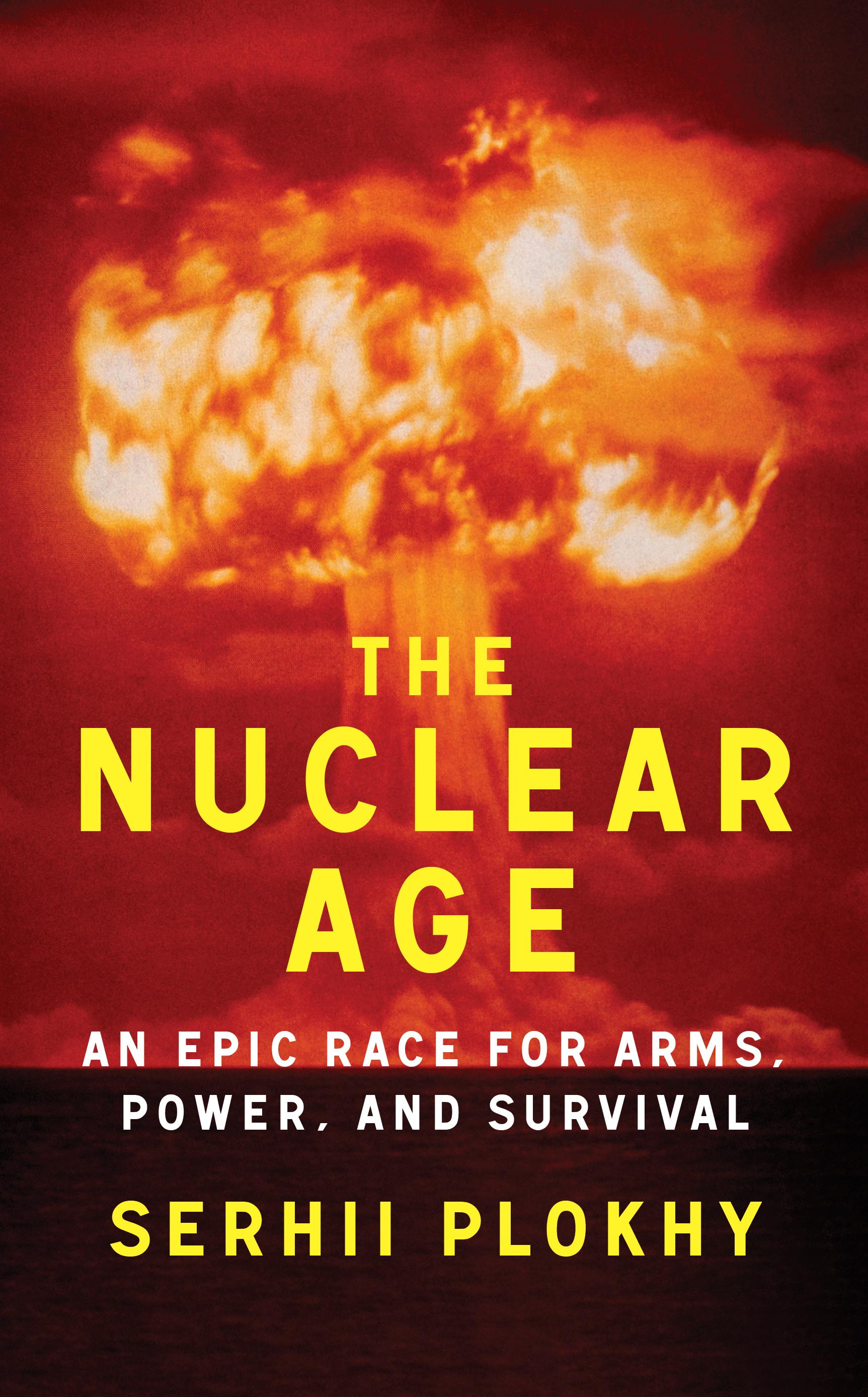
A sweeping history of the geopolitics behind the nuclear arms race, from the first atomic bomb to today’s rush to stockpile nuclear weapons.
The nuclear age came into existence with the explosion of the first atomic bomb in the New Mexico desert on July 16, 1945. The inauguration of this new era was epitomized by the bomb’s principal creator, J. Robert Oppenheimer, quoting the Bhagavad Gita: “Now I am become death, the destroyer of worlds.” Since then, the era of the atom has become the age of the bomb—or two bombs: atomic and hydrogen.
In The Nuclear Age, Serhii Plokhy, one of our preeminent Cold War historians, explores why governments have acquired and stockpiled nuclear weapons and reveals the global failure to reach meaningful nuclear arms treaties. Plokhy shows how, since the Cuban missile crisis of 1962, the risk of nuclear war has never been so high: Russia threatens nuclear aggression in its war on Ukraine; China is constructing hundreds of new missile silos; and India and Pakistan are locked in ongoing nuclear competition. Plokhy also examines how more countries than ever have come within perilous reach of acquiring nuclear arms, while new technologies, such as hypersonic missiles and artificial intelligence, make the nuclear landscape increasingly unpredictable.
From Hiroshima, Nagasaki, and the Castle Bravo test of 1954, to the rapidly developing nuclear programs of North Korea and Iran, The Nuclear Age reveals the fear that governs the proliferation of nuclear weapons. Plokhy profiles the global players who have diagnosed, stoked, and influenced this fear, from H. G. Wells to Nikita Khrushchev and Vladimir Putin, and he outlines what we might learn from our past to control today’s arms race. As the danger of nuclear war remains imminent, The Nuclear Age diagnoses our era of rearmament.
Before Memmo my notes were scattered across PDFs. Now a workspace pulls everything into one place — I see exactly what's still left to study.
Memmo's summaries are gold before exams. I don't have to re-read 800 pages two weeks before — just the important parts.
The AI chat has saved me the night before an exam more than once. I just keep asking until I get it — no waiting on a study group to reply.
The quizzes hit exactly what I need to know. Memmo tracks what I get stuck on — so I only practice what's worth it.
Flashcards with spaced repetition are magic. Memmo knows when I'm about to forget something and brings it back.
The AI podcasts are my favorite. I listen on my way to school and get a recap without sitting at a computer.

Handbok i kvalitativa metoder
281 kr

Hållbar utveckling: en introduktion för ingenjörer och andra problemlösare
334 kr

Brymans Samhällsvetenskapliga metoder
390 kr

Projektledning
491 kr

Den orättvisa hälsan: om socioekonomiska skillnader i hälsa och livslängd
326 kr

Vetenskapsteori för nybörjare
196 kr

Organizational Leadership
429 kr

På väg mot läraryrket
172 kr

Det sociala livet i skolan: Socialpsykologiska perspektiv
253 kr

Betygsättningens didaktik
151 kr

Personality
402 kr

Studying Leadership
404 kr

Managing Innovation
477 kr

Introduktion till samhällsvetenskaplig metod
347 kr

The Psychology of Sex and Gender
698 kr

Evidens och kunskap för socialt arbete
207 kr

Introduction to Leadership
605 kr