
Before Memmo my notes were scattered across PDFs. Now a workspace pulls everything into one place — I see exactly what's still left to study.
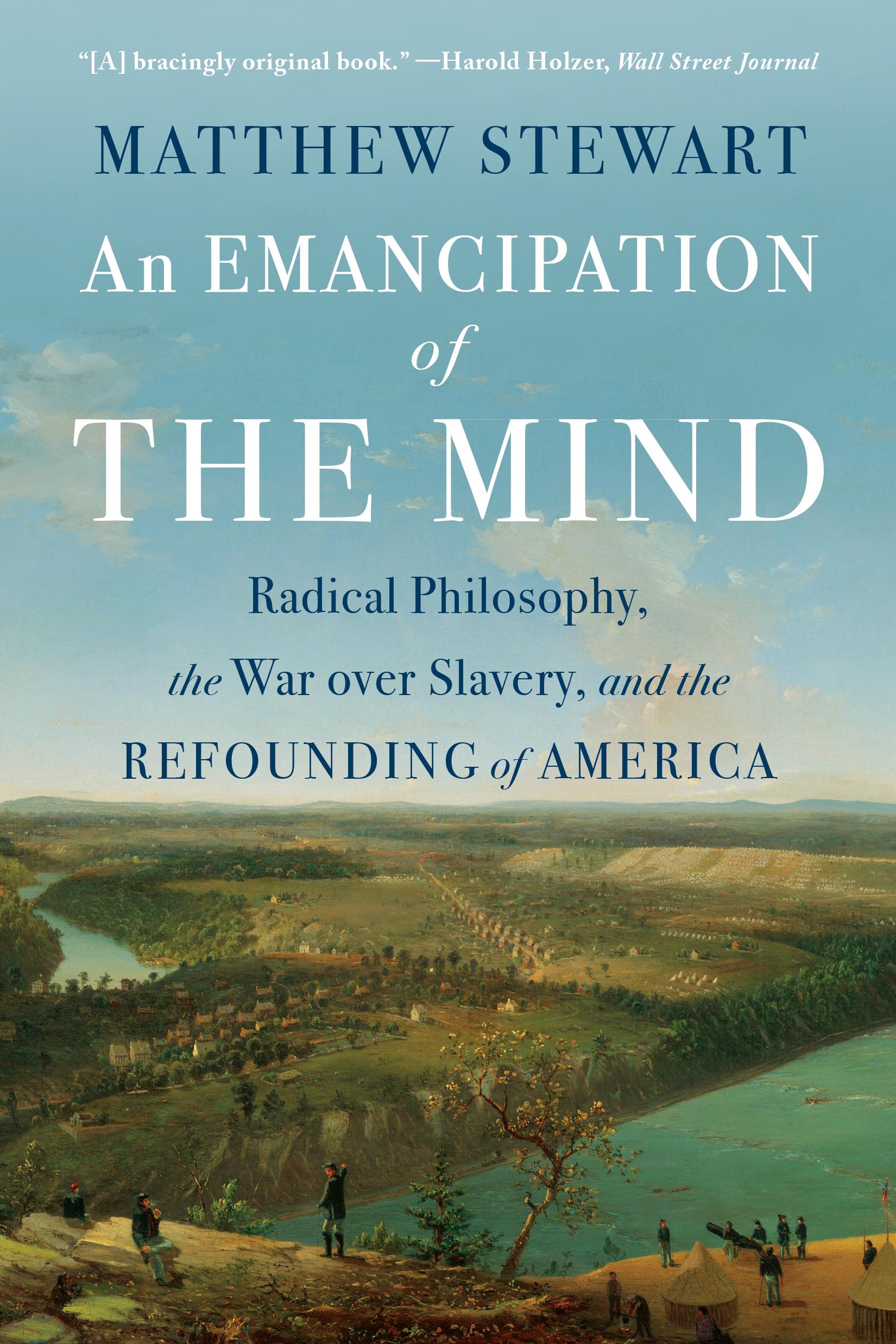
"[A] bracingly original book." —Harold Holzer, Wall Street Journal
How a band of antislavery leaders recovered the radical philosophical inspirations of the first American Revolution to defeat the slaveholders’ oligarchy in the Civil War.
This is a story about a dangerous idea—one which ignited revolutions in America, France, and Haiti; burst across Europe in the revolutions of 1848; and returned to inflame a new generation of intellectuals to lead the abolition movement—the idea that all men are created equal.
In their struggle against the slaveholding oligarchy of their time, America’s antislavery leaders found their way back to the rationalist, secularist, and essentially atheist inspiration for the first American Revolution. Frederick Douglass’s unusual interest in radical German philosophers and Abraham Lincoln’s buried allusions to the same thinkers are but a few of the clues that underlie this propulsive philosophical detective story. With fresh takes on forgotten thinkers like Theodore Parker, the excommunicated Unitarian minister who is the original source of some of Lincoln’s most famous lines, and a feisty band of German refugees, philosopher and historian Matthew Stewart tells a vivid and piercing story of the battle between America’s philosophical radicals and the conservative counterrevolution that swept the American republic in the first decades of its existence and persists in new forms up to the present day. In exposing the role of Christian nationalism and the collusion between northern economic elites and slaveholding oligarchs, An Emancipation of the Mind demands a significant revision in our understanding of the origins and meaning of the struggle over slavery in America—and offers a fresh perspective on struggles between democracy and elite power today.
Before Memmo my notes were scattered across PDFs. Now a workspace pulls everything into one place — I see exactly what's still left to study.
Memmo's summaries are gold before exams. I don't have to re-read 800 pages two weeks before — just the important parts.
The AI chat has saved me the night before an exam more than once. I just keep asking until I get it — no waiting on a study group to reply.
The quizzes hit exactly what I need to know. Memmo tracks what I get stuck on — so I only practice what's worth it.
Flashcards with spaced repetition are magic. Memmo knows when I'm about to forget something and brings it back.
The AI podcasts are my favorite. I listen on my way to school and get a recap without sitting at a computer.

Handbok i kvalitativa metoder
281 kr

Hållbar utveckling: en introduktion för ingenjörer och andra problemlösare
334 kr

Brymans Samhällsvetenskapliga metoder
390 kr

Projektledning
491 kr

Den orättvisa hälsan: om socioekonomiska skillnader i hälsa och livslängd
326 kr

Vetenskapsteori för nybörjare
196 kr

Organizational Leadership
429 kr

På väg mot läraryrket
172 kr

Det sociala livet i skolan: Socialpsykologiska perspektiv
253 kr

Betygsättningens didaktik
151 kr

Personality
402 kr

Studying Leadership
404 kr

Managing Innovation
477 kr

Introduktion till samhällsvetenskaplig metod
347 kr

The Psychology of Sex and Gender
698 kr

Evidens och kunskap för socialt arbete
207 kr

Introduction to Leadership
605 kr