
Before Memmo my notes were scattered across PDFs. Now a workspace pulls everything into one place — I see exactly what's still left to study.
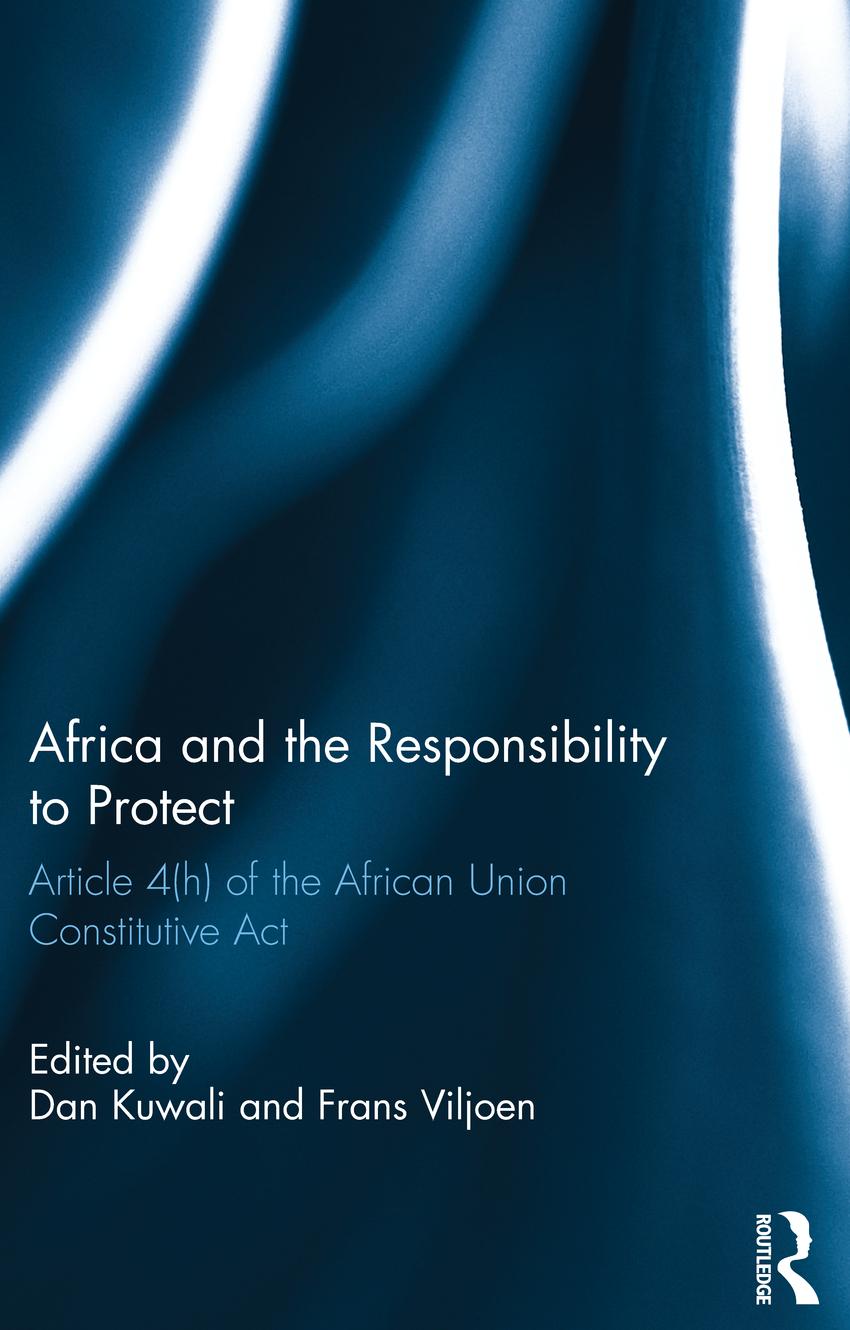
Situations of serious or massive violations of human rights are no longer purely of domestic concern, and sovereignty can no longer be an absolute shield for repressive governments in such circumstances. Based on this realization, the international community has recognized a responsibility to protect individuals in states where their governments are unable or unwilling to provide protection against the most serious violations. However, so far, only one intergovernmental organization, the African Union (AU), has explicitly made the right to intervene in a Member State part of its foundational text in Article 4(h) of its Constitutive Act. Although there have been cases of Article 4(h)-type interventions in Africa, the AU Assembly has not yet invoked Article 4(h) explicitly.
This book brings together experts in the field to explore the potential application of Article 4(h), and the complexities that may explain its non-invocation so far. Although Article 4(h) is noble in purpose, its implementation faces several legal and policy challenges given that the use of force penetrates the principles of state sovereignty and non-intervention – the very cornerstones upon which the AU is founded. This book considers these issues, as well as the need to reconcile Article 4(h), in so far as it allows the AU to exercise military intervention to protect populations at risk of mass atrocities, with the provisions of the Charter of the United Nations.
Drawing from the insights of law, political science, diplomacy and military strategy, the book offers a unique combination of multi-disciplinary expertise that harnesses the views of a diverse group of authors, focused on the legal, policy, and practical insights on the implementation of Article 4(h) and the responsibility to protect in Africa in order to provide concrete recommendations on how to end mass atrocities on the continent
Before Memmo my notes were scattered across PDFs. Now a workspace pulls everything into one place — I see exactly what's still left to study.
Memmo's summaries are gold before exams. I don't have to re-read 800 pages two weeks before — just the important parts.
The AI chat has saved me the night before an exam more than once. I just keep asking until I get it — no waiting on a study group to reply.
The quizzes hit exactly what I need to know. Memmo tracks what I get stuck on — so I only practice what's worth it.
Flashcards with spaced repetition are magic. Memmo knows when I'm about to forget something and brings it back.
The AI podcasts are my favorite. I listen on my way to school and get a recap without sitting at a computer.

Handbok i kvalitativa metoder
281 kr

Hållbar utveckling: en introduktion för ingenjörer och andra problemlösare
334 kr

Brymans Samhällsvetenskapliga metoder
390 kr

Projektledning
491 kr

Den orättvisa hälsan: om socioekonomiska skillnader i hälsa och livslängd
326 kr

Vetenskapsteori för nybörjare
196 kr

Organizational Leadership
429 kr

På väg mot läraryrket
172 kr

Det sociala livet i skolan: Socialpsykologiska perspektiv
253 kr

Betygsättningens didaktik
151 kr

Personality
402 kr

Studying Leadership
404 kr

Managing Innovation
477 kr

Introduktion till samhällsvetenskaplig metod
347 kr

The Psychology of Sex and Gender
698 kr

Evidens och kunskap för socialt arbete
207 kr

Introduction to Leadership
605 kr