
Before Memmo my notes were scattered across PDFs. Now a workspace pulls everything into one place — I see exactly what's still left to study.
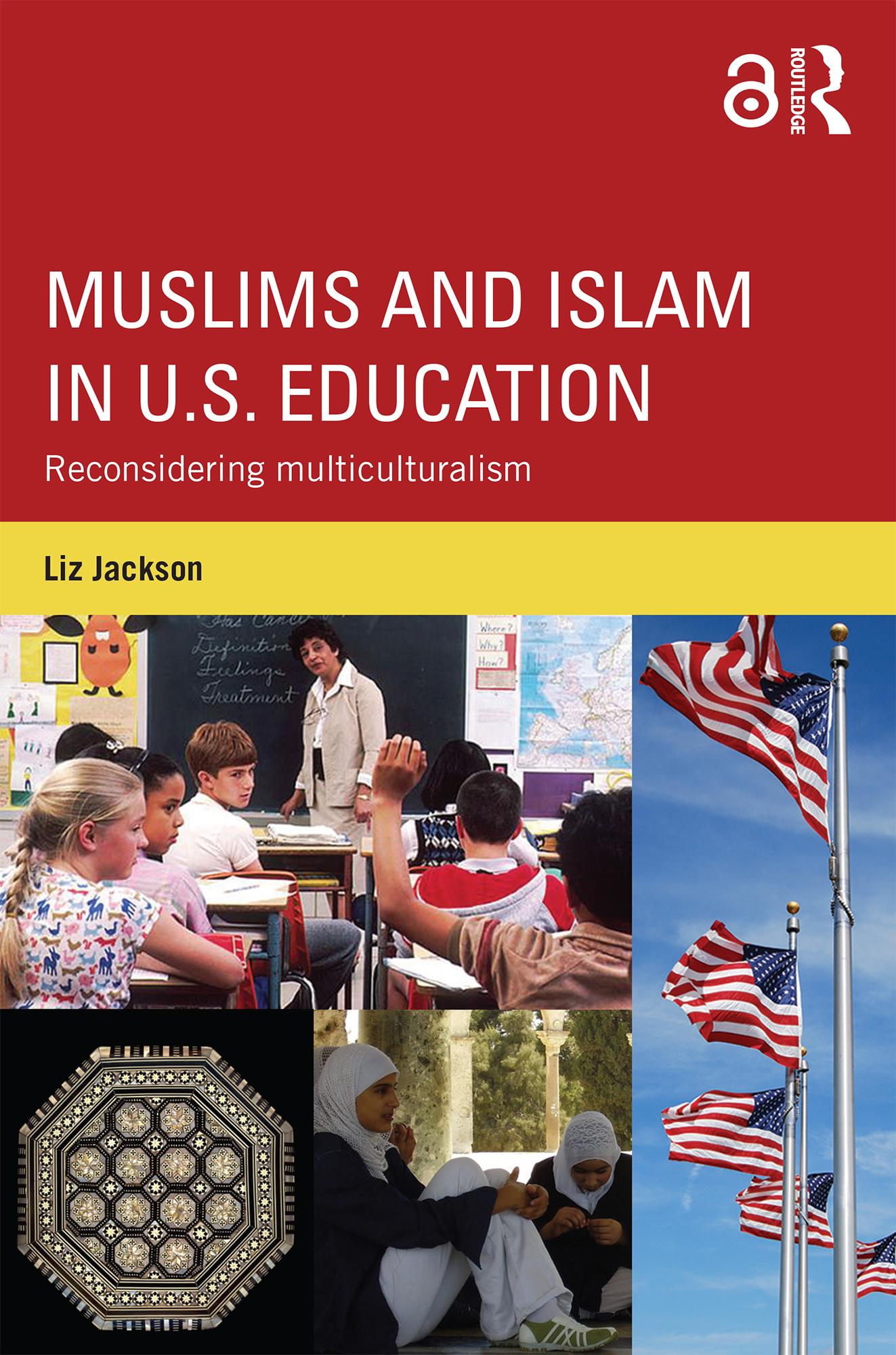
Winner of Philosophy of Education Society of Australasia (PESA)'s inaugural PESA Book Awards in 2015, and The University of Hong Kong Research Output Prize for Education 2014-15.
Muslims and Islam in U.S. Education explores the complex interface that exists between U.S. school curriculum, teaching practice about religion in public schools, societal and teacher attitudes toward Islam and Muslims, and multiculturalism as a framework for meeting the needs of minority group students. It presents multiculturalism as a concept that needs to be rethought and reformulated in the interest of creating a more democratic, inclusive, and informed society.
Islam is an under-considered religion in American education, due in part to the fact that Muslims represent a very small minority of the population today (less than 1%). However, this group faces a crucial challenge of representation in United States society as a whole, as well as in its schools. Muslims in the United States are impacted by ignorance that news and opinion polls have demonstrated is widespread among the public in the last few decades. U.S. citizens who do not have a balanced, fair and accurate view of Islam can make a variety of decisions in the voting booth, in job hiring, and within their small-scale but important personal networks and spheres of influence, that make a very negative impact on Muslims in the United States.
This book presents new information that has implications for curricula, religious education, and multicultural education today, examining the unique case of Islam in U.S. education over the last 20 years. Chapters include:
This book is an essential resource for professors, researchers, and teachers of social studies, particularly those involved with multicultural issues, critical and sociocultural analysis of education and schools; as well as interdisciplinary scholars and students in anthropology and education.
Before Memmo my notes were scattered across PDFs. Now a workspace pulls everything into one place — I see exactly what's still left to study.
Memmo's summaries are gold before exams. I don't have to re-read 800 pages two weeks before — just the important parts.
The AI chat has saved me the night before an exam more than once. I just keep asking until I get it — no waiting on a study group to reply.
The quizzes hit exactly what I need to know. Memmo tracks what I get stuck on — so I only practice what's worth it.
Flashcards with spaced repetition are magic. Memmo knows when I'm about to forget something and brings it back.
The AI podcasts are my favorite. I listen on my way to school and get a recap without sitting at a computer.

Handbok i kvalitativa metoder
281 kr

Hållbar utveckling: en introduktion för ingenjörer och andra problemlösare
334 kr

Brymans Samhällsvetenskapliga metoder
390 kr

Projektledning
491 kr

Den orättvisa hälsan: om socioekonomiska skillnader i hälsa och livslängd
326 kr

Vetenskapsteori för nybörjare
196 kr

Organizational Leadership
429 kr

På väg mot läraryrket
172 kr

Det sociala livet i skolan: Socialpsykologiska perspektiv
253 kr

Betygsättningens didaktik
151 kr

Personality
402 kr

Studying Leadership
404 kr

Managing Innovation
477 kr

Introduktion till samhällsvetenskaplig metod
347 kr

The Psychology of Sex and Gender
698 kr

Evidens och kunskap för socialt arbete
207 kr

Introduction to Leadership
605 kr