
Before Memmo my notes were scattered across PDFs. Now a workspace pulls everything into one place — I see exactly what's still left to study.
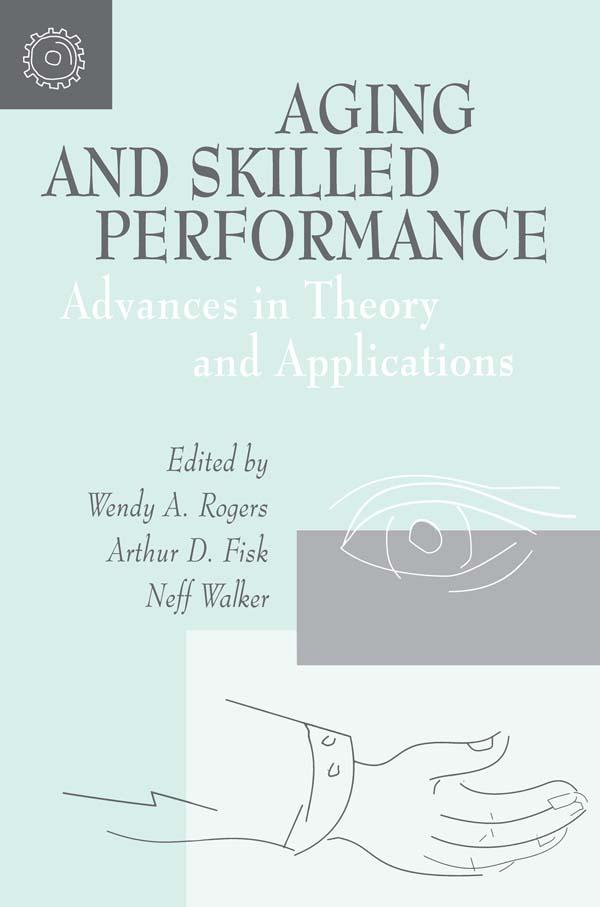
The term "skill" encompasses an array of topics and issues. For example, individuals are skilled in a variety of domains such as chess, typing, air traffic control, or knitting; researchers study skill in a variety of ways, including speed of acquisition, accuracy of performance, and retention over time; and there are a variety of approaches to the study of skill such as computer modeling or experimental analysis. Contributing to the understanding of whether, how, when, and why skills may decline as a function of age is the goal of this volume.
This book is based on the Aging and Skill Conference sponsored by the Center for Applied Cognitive Research on Aging. The broad focus of the conference was to discuss cognitive theories underlying age-related skill acquisition, transfer, and retention and to discuss applications of these theories to such issues as age-adaptive training, compensatory strategies and devices, and utilization of new and existing technology. The contributors were asked to discuss the cognitive theory relevant to their topic, explain how the theory informs the field about aging, examine where gaps exist among general cognitive theory in this area and theories of aging, and demonstrate the practical relevance of the theory to enhancing or enabling activities of daily living--for work, home, or leisure--for older adults.
This is the first book to focus exclusively on aging and skill. It covers a range of abilities, provides the theoretical basis for the current status of age-related differences in skill, and offers direct evidence of the applicability of research on proficiency to aspects of daily living. Each chapter was written either by an expert in the field of aging, or by an expert in the field of skill--many expert in both areas.
Before Memmo my notes were scattered across PDFs. Now a workspace pulls everything into one place — I see exactly what's still left to study.
Memmo's summaries are gold before exams. I don't have to re-read 800 pages two weeks before — just the important parts.
The AI chat has saved me the night before an exam more than once. I just keep asking until I get it — no waiting on a study group to reply.
The quizzes hit exactly what I need to know. Memmo tracks what I get stuck on — so I only practice what's worth it.
Flashcards with spaced repetition are magic. Memmo knows when I'm about to forget something and brings it back.
The AI podcasts are my favorite. I listen on my way to school and get a recap without sitting at a computer.

Handbok i kvalitativa metoder
281 kr

Hållbar utveckling: en introduktion för ingenjörer och andra problemlösare
334 kr

Brymans Samhällsvetenskapliga metoder
390 kr

Projektledning
491 kr

Den orättvisa hälsan: om socioekonomiska skillnader i hälsa och livslängd
326 kr

Organizational Leadership
429 kr

Vetenskapsteori för nybörjare
196 kr

På väg mot läraryrket
172 kr

Det sociala livet i skolan: Socialpsykologiska perspektiv
253 kr

Betygsättningens didaktik
151 kr

Personality
402 kr

Studying Leadership
404 kr

Managing Innovation
477 kr

Introduktion till samhällsvetenskaplig metod
347 kr

The Psychology of Sex and Gender
698 kr

Evidens och kunskap för socialt arbete
207 kr

Introduction to Leadership
605 kr