
Before Memmo my notes were scattered across PDFs. Now a workspace pulls everything into one place — I see exactly what's still left to study.
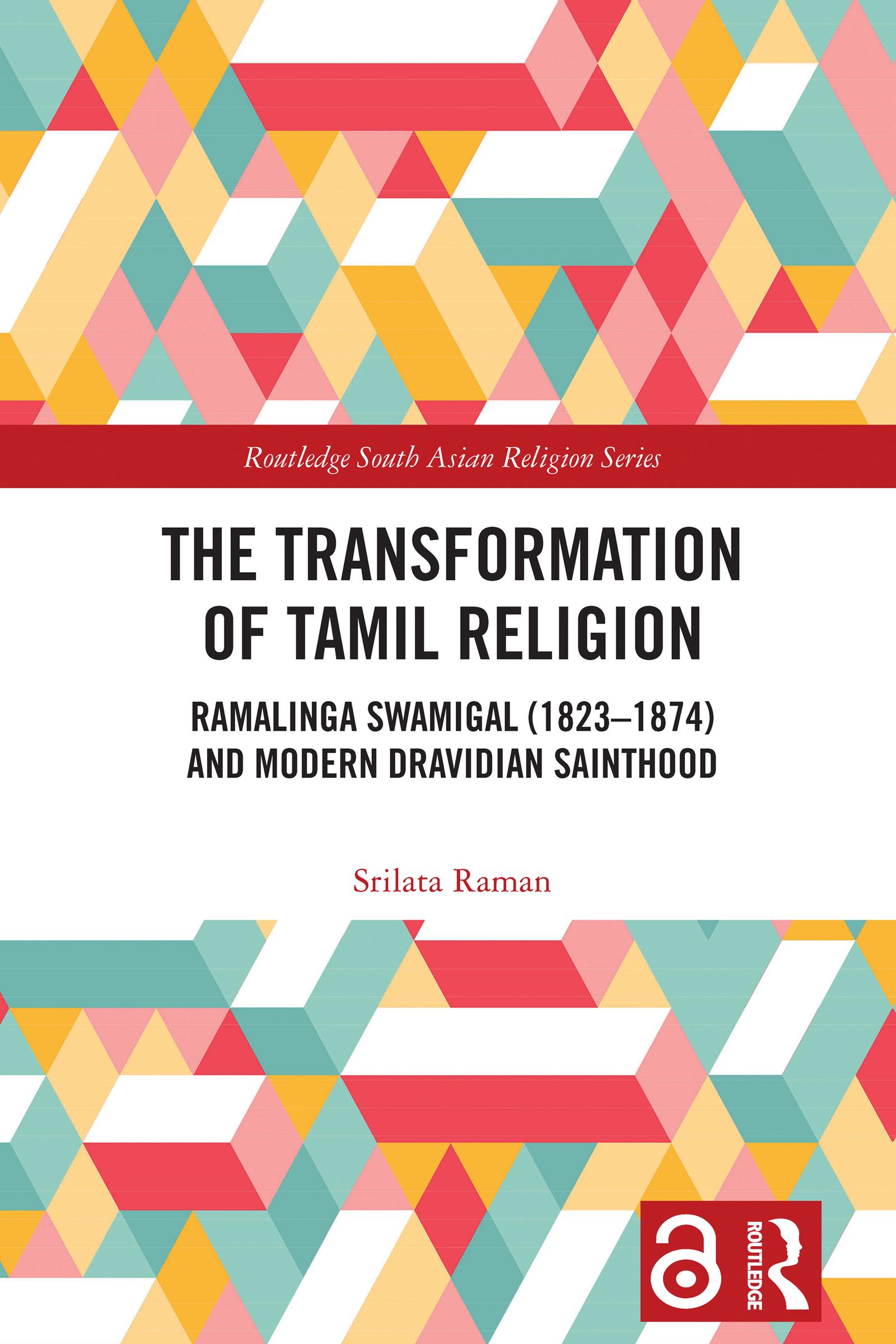
This book analyses the religious ideology of a Tamil reformer and saint, Ramalinga Swamigal of the 19th century and his posthumous reception in the Tamil country and sheds light on the transformation of Tamil religion that both his works and the understanding of him brought about.
The book traces the hagiographical and biographical process by which Ramalinga Swamigal is shifted from being considered an exemplary poet-saint of the Tamil Śaivite bhakti tradition to a Dravidian nationalist social reformer. Taking as a starting point Ramalinga’s own writing, the book presents him as inhabiting a border zone between early modernity and modernity, between Hinduism and Christianity, between colonialism and regional nationalism, highlighting the influence of his teachings on politics, particularly within Dravidian cultural and political nationalism. Simultaneously, the book considers the implication of such an hagiographical process for the transformation of Tamil religion in the period between the 19th –mid-20th centuries. The author demonstrates that Ramalinga Swamigal’s ideology of compassion, cīvakāruṇyam, had not only a long genealogy in pre-modern Tamil Śaivism but also that it functioned as a potentially emancipatory ethics of salvation and caste critique not just for him but also for other Tamil and Dalit intellectuals of the 19th century.
This book is a path-breaking study that also traces the common grounds between the religious visions of two of the most prominent subaltern figures of Tamil modernity – Iyothee Thass and Ramalingar. It argues that these transformations are one meaningful way for a religious tradition to cope with and come to terms with the implications of historicization and the demands of colonial modernity. It is, therefore, a valuable contribution to the field of religion, South Asian history and literature and Subaltern studies.
The Open Access version of this book, available at http://www.taylorfrancis.com/books/e/9781315794518 has been made available under a Creative Commons Attribution-Non Commercial-No Derivatives 4.0 license.
Before Memmo my notes were scattered across PDFs. Now a workspace pulls everything into one place — I see exactly what's still left to study.
Memmo's summaries are gold before exams. I don't have to re-read 800 pages two weeks before — just the important parts.
The AI chat has saved me the night before an exam more than once. I just keep asking until I get it — no waiting on a study group to reply.
The quizzes hit exactly what I need to know. Memmo tracks what I get stuck on — so I only practice what's worth it.
Flashcards with spaced repetition are magic. Memmo knows when I'm about to forget something and brings it back.
The AI podcasts are my favorite. I listen on my way to school and get a recap without sitting at a computer.

Handbok i kvalitativa metoder
281 kr

Hållbar utveckling: en introduktion för ingenjörer och andra problemlösare
334 kr

Brymans Samhällsvetenskapliga metoder
390 kr

Projektledning
491 kr

Den orättvisa hälsan: om socioekonomiska skillnader i hälsa och livslängd
326 kr

Vetenskapsteori för nybörjare
196 kr

Organizational Leadership
429 kr

På väg mot läraryrket
172 kr

Det sociala livet i skolan: Socialpsykologiska perspektiv
253 kr

Betygsättningens didaktik
151 kr

Personality
402 kr

Studying Leadership
404 kr

Managing Innovation
477 kr

Introduktion till samhällsvetenskaplig metod
347 kr

The Psychology of Sex and Gender
698 kr

Evidens och kunskap för socialt arbete
207 kr

Introduction to Leadership
605 kr