
Before Memmo my notes were scattered across PDFs. Now a workspace pulls everything into one place — I see exactly what's still left to study.
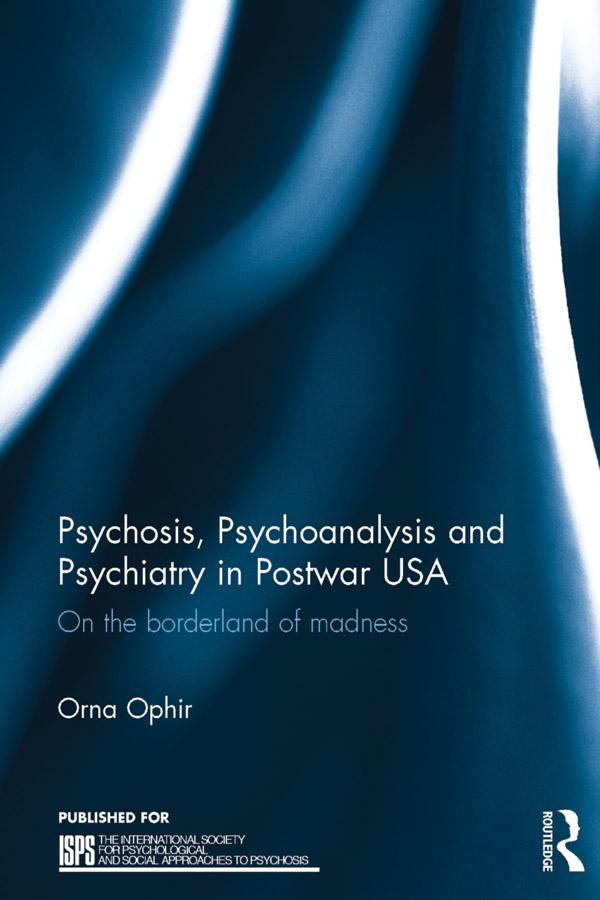
Covering the last four decades of the 20th century, this book explores the unwritten history of the struggles between psychoanalysis and psychiatry in postwar USA, inaugurated by the neosomatic revolution, which had profound consequences for the treatment of psychotic patients. Analyzing and synthesizing major developments in this critical and clinical field, Orna Ophir discusses how leading theories redefined what schizophrenia is and how to treat it, offering a fresh interpretation of the nature and challenges of the psychoanalytic profession. The book also considers the internal dynamics and conflicts within mental health organizations, their theoretical paradigms and therapeutic practices.
Opening a timely debate, considering both the continuing relevance and the inherent limitations of the psychoanalytic approach, the book demonstrates how psychoanalysts reinterpreted their professional identity by formalizing and disseminating knowledge among their fellow practitioners, while negotiating with neighboring professions in the medical fields, such as psychiatry, pharmacology and the burgeoning neurosciences. Chapters explore the ways in which psychoanalysts constructed – and also transgressed upon – the boundaries of their professional identity and practice as they sought to understand schizophrenia and treat its patients. The book argues that among the many relationships psychoanalysis sustained with psychiatry, some weakened their own social role as service providers, while others made the theory and practice of psychoanalysis a viable contender in the jurisdictional struggles between professions.
Psychosis, Psychoanalysis and Psychiatry in Postwar USA will appeal to researchers, academics, graduate students and advanced undergraduates who are interested in the history of psychoanalysis, psychiatry, the medical humanities and the history of science and ideas. It will also be of interest to clinicians, health care professionals and other practitioners.
Before Memmo my notes were scattered across PDFs. Now a workspace pulls everything into one place — I see exactly what's still left to study.
Memmo's summaries are gold before exams. I don't have to re-read 800 pages two weeks before — just the important parts.
The AI chat has saved me the night before an exam more than once. I just keep asking until I get it — no waiting on a study group to reply.
The quizzes hit exactly what I need to know. Memmo tracks what I get stuck on — so I only practice what's worth it.
Flashcards with spaced repetition are magic. Memmo knows when I'm about to forget something and brings it back.
The AI podcasts are my favorite. I listen on my way to school and get a recap without sitting at a computer.

Handbok i kvalitativa metoder
281 kr

Hållbar utveckling: en introduktion för ingenjörer och andra problemlösare
334 kr

Brymans Samhällsvetenskapliga metoder
390 kr

Projektledning
491 kr

Den orättvisa hälsan: om socioekonomiska skillnader i hälsa och livslängd
326 kr

Vetenskapsteori för nybörjare
196 kr

Organizational Leadership
429 kr

På väg mot läraryrket
172 kr

Det sociala livet i skolan: Socialpsykologiska perspektiv
253 kr

Betygsättningens didaktik
151 kr

Personality
402 kr

Studying Leadership
404 kr

Managing Innovation
477 kr

Introduktion till samhällsvetenskaplig metod
347 kr

The Psychology of Sex and Gender
698 kr

Evidens och kunskap för socialt arbete
207 kr

Introduction to Leadership
605 kr