
Before Memmo my notes were scattered across PDFs. Now a workspace pulls everything into one place — I see exactly what's still left to study.
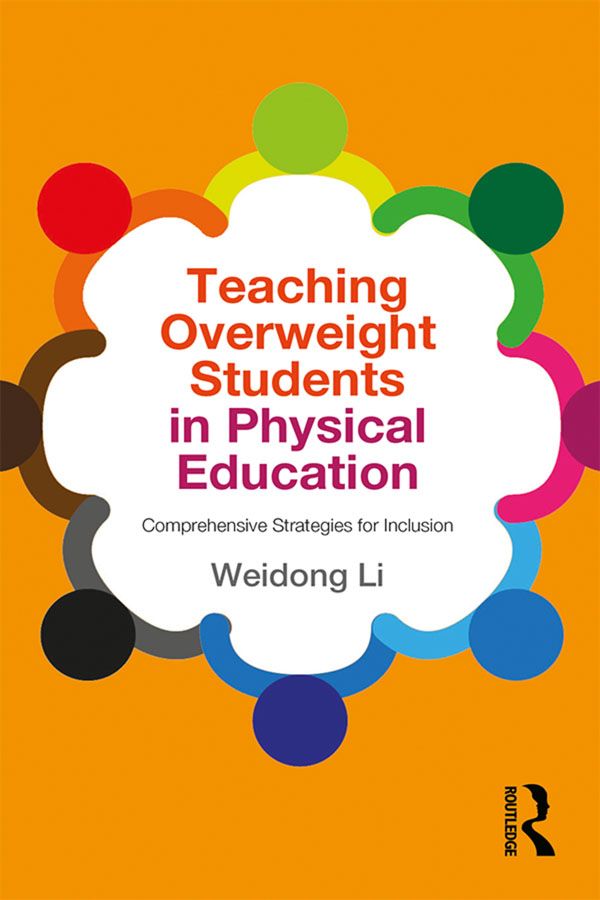
Overweight students often suffer negative consequences with regard to low physical ability, skills, and fitness; obesity-related health implications; teasing and exclusion from physical education by their peers; and psychosocial and emotional suffering as a result of weight stigma. Widespread obesity and its negative consequences have presented an unprecedented challenge for teachers, who must include overweight students in physical education activities while striving to provide individualized instruction for diverse learners and foster positive learning environments. Educators stand to benefit greatly from specific knowledge and skills for reducing bias and including overweight students.
Teaching Overweight Students in Physical Education offers a compact and easy-to-read take on this problem. It begins by summarizing information on the obesity trend, weight stigma, and coping mechanisms. Next, it introduces the Social Ecological Constraint Model, which casts the teacher as an agent of change who is aware of and manipulates a variety of factors from multiple levels for effective inclusion of overweight students in physical education. Finally, it provides detailed strategies guided by the conceptual model for instructors to implement into their physical education classes. In all, this book provides a map for successfully including overweight students and offers practical strategies to help physical education teachers create inclusive and safe climates, and design differentiated instruction to maximize overweight or obese students’ engagement and learning.
Comprehensive, evidence-based, and timely, this book is tailored for physical education educators and practitioners, but will also benefit parents of overweight children by providing them with strategies for educating their children on how to cope with stigma and weight-related teasing.
Before Memmo my notes were scattered across PDFs. Now a workspace pulls everything into one place — I see exactly what's still left to study.
Memmo's summaries are gold before exams. I don't have to re-read 800 pages two weeks before — just the important parts.
The AI chat has saved me the night before an exam more than once. I just keep asking until I get it — no waiting on a study group to reply.
The quizzes hit exactly what I need to know. Memmo tracks what I get stuck on — so I only practice what's worth it.
Flashcards with spaced repetition are magic. Memmo knows when I'm about to forget something and brings it back.
The AI podcasts are my favorite. I listen on my way to school and get a recap without sitting at a computer.

Handbok i kvalitativa metoder
281 kr

Hållbar utveckling: en introduktion för ingenjörer och andra problemlösare
334 kr

Brymans Samhällsvetenskapliga metoder
390 kr

Projektledning
491 kr

Den orättvisa hälsan: om socioekonomiska skillnader i hälsa och livslängd
326 kr

Organizational Leadership
429 kr

Vetenskapsteori för nybörjare
196 kr

På väg mot läraryrket
172 kr

Det sociala livet i skolan: Socialpsykologiska perspektiv
253 kr

Betygsättningens didaktik
151 kr

Personality
402 kr

Studying Leadership
404 kr

Managing Innovation
477 kr

Introduktion till samhällsvetenskaplig metod
347 kr

The Psychology of Sex and Gender
698 kr

Evidens och kunskap för socialt arbete
207 kr

Introduction to Leadership
605 kr