
Before Memmo my notes were scattered across PDFs. Now a workspace pulls everything into one place — I see exactly what's still left to study.
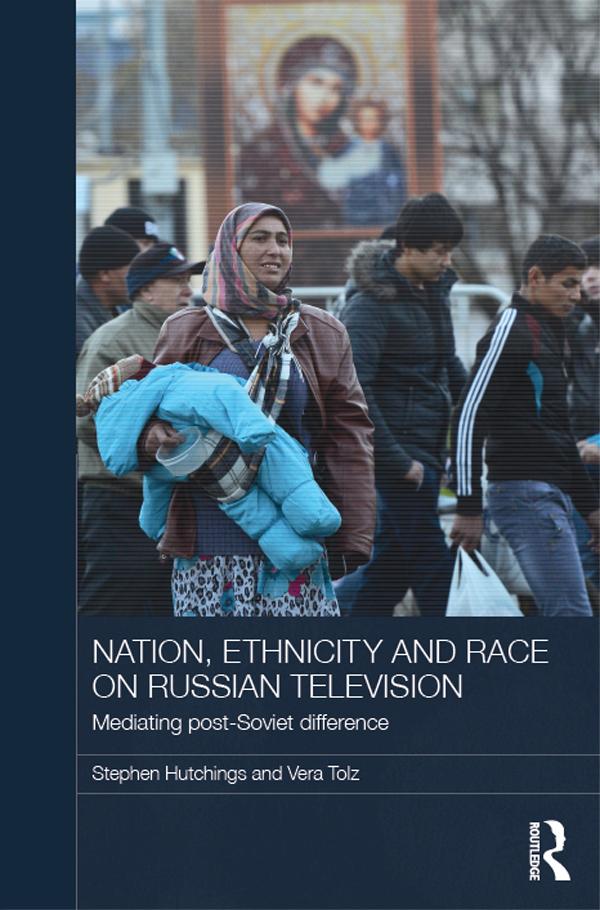
Russia, one of the most ethno-culturally diverse countries in the world, provides a rich case study on how globalisation and associated international trends are disrupting, and causing the radical rethinking of approaches to, inter-ethnic cohesion. The book highlights the importance of television broadcasting in shaping national discourse and the place of ethno-cultural diversity within it. It argues that television’s role here has been reinforced, rather than diminished, by the rise of new media technologies. Through an analysis of a wide range of news and other television programmes, the book shows how the covert meanings of discourse on a particular issue can diverge from the overt significance attributed to it, just as the impact of that discourse may not conform with the original aims of the broadcasters. The book discusses the tension between the imperative to maintain security through centralised government and overall national cohesion that Russia shares with other European states, and the need to remain sensitive to, and to accommodate, the needs and perspectives of ethnic minorities and labour migrants. It compares the increasingly isolationist popular ethnonationalism in Russia, which harks back to "old-fashioned" values, with the similar rise of the Tea Party in the United States and the UK Independence Party in Britain. Throughout, this extremely rich, well-argued book complicates and challenges received wisdom on Russia’s recent descent into authoritarianism. It points to a regime struggling to negotiate the dilemmas it faces, given its Soviet legacy of ethnic particularism, weak civil society, large native Muslim population and overbearing, yet far from entirely effective, state control of the media.
Before Memmo my notes were scattered across PDFs. Now a workspace pulls everything into one place — I see exactly what's still left to study.
Memmo's summaries are gold before exams. I don't have to re-read 800 pages two weeks before — just the important parts.
The AI chat has saved me the night before an exam more than once. I just keep asking until I get it — no waiting on a study group to reply.
The quizzes hit exactly what I need to know. Memmo tracks what I get stuck on — so I only practice what's worth it.
Flashcards with spaced repetition are magic. Memmo knows when I'm about to forget something and brings it back.
The AI podcasts are my favorite. I listen on my way to school and get a recap without sitting at a computer.

Handbok i kvalitativa metoder
281 kr

Hållbar utveckling: en introduktion för ingenjörer och andra problemlösare
334 kr

Brymans Samhällsvetenskapliga metoder
390 kr

Projektledning
491 kr

Den orättvisa hälsan: om socioekonomiska skillnader i hälsa och livslängd
326 kr

Vetenskapsteori för nybörjare
196 kr

Organizational Leadership
429 kr

På väg mot läraryrket
172 kr

Det sociala livet i skolan: Socialpsykologiska perspektiv
253 kr

Betygsättningens didaktik
151 kr

Personality
402 kr

Studying Leadership
404 kr

Managing Innovation
477 kr

Introduktion till samhällsvetenskaplig metod
347 kr

The Psychology of Sex and Gender
698 kr

Evidens och kunskap för socialt arbete
207 kr

Introduction to Leadership
605 kr