
Before Memmo my notes were scattered across PDFs. Now a workspace pulls everything into one place — I see exactly what's still left to study.
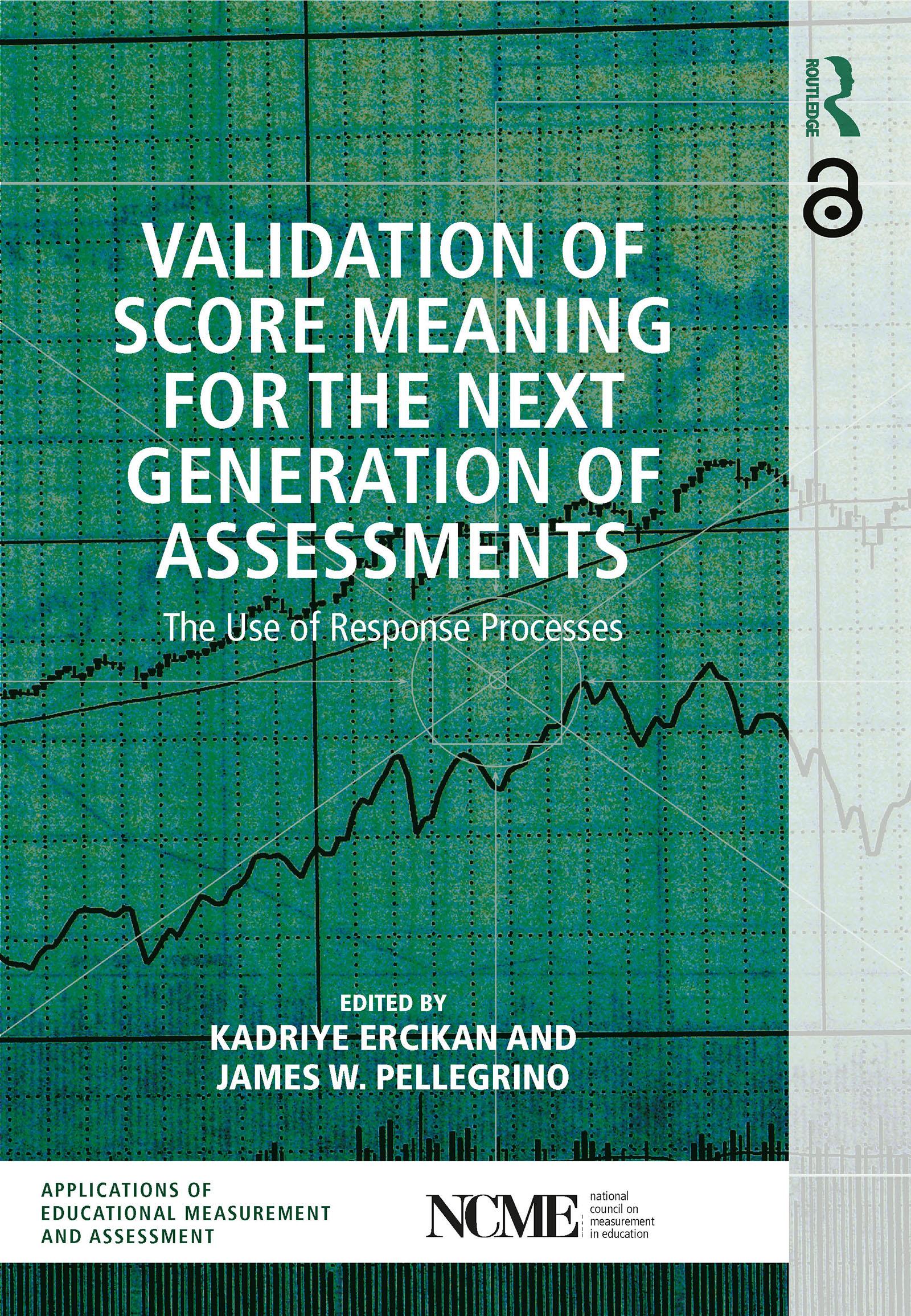
Despite developments in research and practice on using examinee response process data in assessment design, the use of such data in test validation is rare. Validation of Score Meaning in the Next Generation of Assessments Using Response Processes highlights the importance of validity evidence based on response processes and provides guidance to measurement researchers and practitioners in creating and using such evidence as a regular part of the assessment validation process. Response processes refer to approaches and behaviors of examinees when they interpret assessment situations and formulate and generate solutions as revealed through verbalizations, eye movements, response times, or computer clicks. Such response process data can provide information about the extent to which items and tasks engage examinees in the intended ways.
With contributions from the top researchers in the field of assessment, this volume includes chapters that focus on methodological issues and on applications across multiple contexts of assessment interpretation and use. In Part I of this book, contributors discuss the framing of validity as an evidence-based argument for the interpretation of the meaning of test scores, the specifics of different methods of response process data collection and analysis, and the use of response process data relative to issues of validation as highlighted in the joint standards on testing. In Part II, chapter authors offer examples that illustrate the use of response process data in assessment validation. These cases are provided specifically to address issues related to the analysis and interpretation of performance on assessments of complex cognition, assessments designed to inform classroom learning and instruction, and assessments intended for students with varying cultural and linguistic backgrounds.
The Open Access version of this book, available at http://www.taylorfrancis.com, has been made available under a Creative Commons Attribution-Non Commercial-No Derivatives 4.0 license.
Before Memmo my notes were scattered across PDFs. Now a workspace pulls everything into one place — I see exactly what's still left to study.
Memmo's summaries are gold before exams. I don't have to re-read 800 pages two weeks before — just the important parts.
The AI chat has saved me the night before an exam more than once. I just keep asking until I get it — no waiting on a study group to reply.
The quizzes hit exactly what I need to know. Memmo tracks what I get stuck on — so I only practice what's worth it.
Flashcards with spaced repetition are magic. Memmo knows when I'm about to forget something and brings it back.
The AI podcasts are my favorite. I listen on my way to school and get a recap without sitting at a computer.

Handbok i kvalitativa metoder
281 kr

Hållbar utveckling: en introduktion för ingenjörer och andra problemlösare
334 kr

Brymans Samhällsvetenskapliga metoder
390 kr

Projektledning
491 kr

Den orättvisa hälsan: om socioekonomiska skillnader i hälsa och livslängd
326 kr

Vetenskapsteori för nybörjare
196 kr

Organizational Leadership
429 kr

På väg mot läraryrket
172 kr

Det sociala livet i skolan: Socialpsykologiska perspektiv
253 kr

Betygsättningens didaktik
151 kr

Personality
402 kr

Studying Leadership
404 kr

Managing Innovation
477 kr

Introduktion till samhällsvetenskaplig metod
347 kr

The Psychology of Sex and Gender
698 kr

Evidens och kunskap för socialt arbete
207 kr

Introduction to Leadership
605 kr