
Before Memmo my notes were scattered across PDFs. Now a workspace pulls everything into one place — I see exactly what's still left to study.
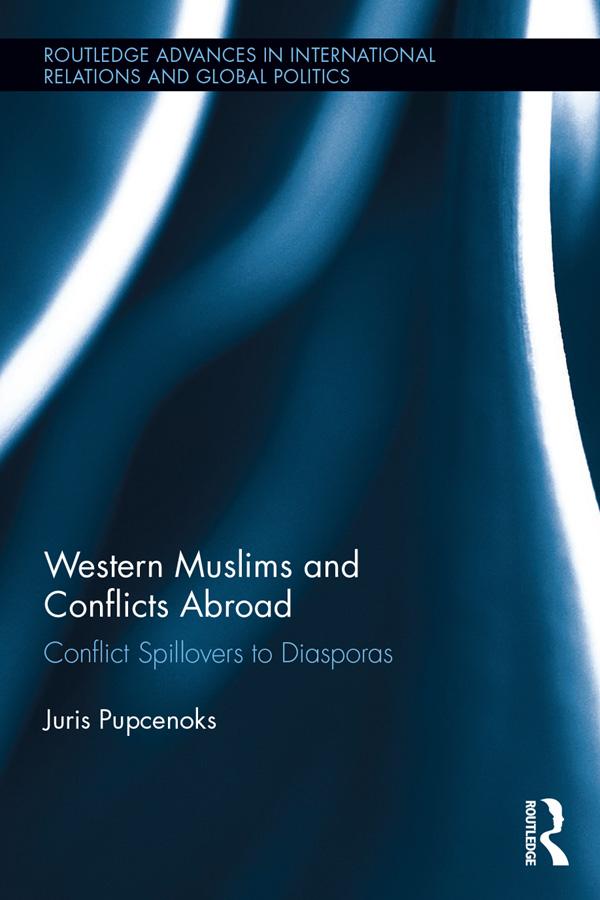
This book explains why reactive conflict spillovers (political violence in response to conflicts abroad) occur in some migrant-background communities in the West. Based on survey data, statistical datasets, more than sixty interviews with Muslim community leaders and activists, ethnographic research in London and Detroit, and open-source data, this book develops a theoretical explanation for how both differences in government policies and features of migrant-background communities interact to influence the nature of foreign-policy focused activism in migrant communities. Utilizing rigorous, mixed-methods case study analysis, the author comparatively analyses the reactions of the Pakistani community in London and the Arab Muslim community in Detroit to the wars in Afghanistan and Iraq during the decade following 9/11. Both communities are politically mobilized and active. However, while London has experienced reactive conflict spillover, Detroit has remained largely peaceful.
The key findings show that, with regards to activism in response to foreign policy events, Western Muslim communities primarily politically mobilize on the basis of their ethnic divisions. Nevertheless, one notable exception is the Arab-Israeli conflict, which is viewed through the Islamic lenses; and the common Islamic identity is important in driving mobilization domestically in response to Islamophobia, and counterterrorism policies and practices perceived to be discriminatory. Certain organizational arrangements involving minority community leaders, law enforcement, and government officials help to effectively contain excitable youth who may otherwise engage in deviant behavior. Overall, the following factors contribute to the creation of an environment where reactive conflict spillover is more likely to occur: policies allowing immigration of violent radicals, poor economic integration without extensive civil society inter-group ties, the presence of radical groups, and connections with radical networks abroad.
Before Memmo my notes were scattered across PDFs. Now a workspace pulls everything into one place — I see exactly what's still left to study.
Memmo's summaries are gold before exams. I don't have to re-read 800 pages two weeks before — just the important parts.
The AI chat has saved me the night before an exam more than once. I just keep asking until I get it — no waiting on a study group to reply.
The quizzes hit exactly what I need to know. Memmo tracks what I get stuck on — so I only practice what's worth it.
Flashcards with spaced repetition are magic. Memmo knows when I'm about to forget something and brings it back.
The AI podcasts are my favorite. I listen on my way to school and get a recap without sitting at a computer.

Handbok i kvalitativa metoder
281 kr

Hållbar utveckling: en introduktion för ingenjörer och andra problemlösare
334 kr

Brymans Samhällsvetenskapliga metoder
390 kr

Projektledning
491 kr

Den orättvisa hälsan: om socioekonomiska skillnader i hälsa och livslängd
326 kr

Vetenskapsteori för nybörjare
196 kr

Organizational Leadership
429 kr

På väg mot läraryrket
172 kr

Det sociala livet i skolan: Socialpsykologiska perspektiv
253 kr

Betygsättningens didaktik
151 kr

Personality
402 kr

Studying Leadership
404 kr

Managing Innovation
477 kr

Introduktion till samhällsvetenskaplig metod
347 kr

The Psychology of Sex and Gender
698 kr

Evidens och kunskap för socialt arbete
207 kr

Introduction to Leadership
605 kr