
Before Memmo my notes were scattered across PDFs. Now a workspace pulls everything into one place — I see exactly what's still left to study.
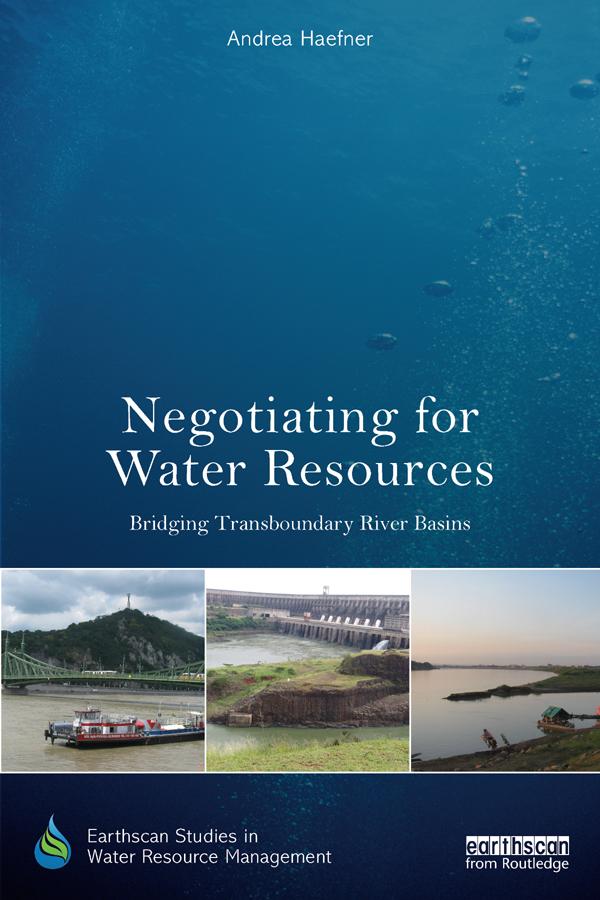
Over 90 per cent of the world population lives in countries that share a river basin with others. Freshwater resources are scarce and different nations, actors and users compete for limited resources in transboundary river basins; often conflicting with each other. Water is a resource with no substitute: it cannot be secured in sufficiently large quantities through long-distance trade deals; and, due to the interconnectivity of the hydrological system, the actions of one country in its water management have a direct bearing on the interests of neighbouring countries. For instance, in the Mekong River Basin, current hydropower and navigation developments in certain countries impact on traditional sources of income such as fisheries, and rice production in others. These kinds of changes in water use have given rise to conflict between countries in that region and others, but have also led, in some cases, to greater cooperation. The past few decades have seen a number of new agreements about the sharing of river resources and cooperation between riparian states.
Negotiating for Water Resources explores the drivers of conflict and cooperation between states in transnational river basins. Drawing on extensive fieldwork and interviews on the Mekong, Danube and La Plata River Basins, the book provides a three level analysis across three case studies, including the regional framework (EU, ASEAN and Mercosur), the River Basin Organisations (ICPDR, MRC and CIC) and the micro-level. The key question of the book is: To what extent do power asymmetries prevent or inhibit cooperation between riparian states over water resources? This is linked to the question of how institutions contribute to mitigate competition for natural resources and how states interact in a multilateral arena. Overall, the book argues that cooperation in transboundary river basins is possible even where there are asymmetric power relations, challenging realist assumptions about competition and conflict over resources.
Before Memmo my notes were scattered across PDFs. Now a workspace pulls everything into one place — I see exactly what's still left to study.
Memmo's summaries are gold before exams. I don't have to re-read 800 pages two weeks before — just the important parts.
The AI chat has saved me the night before an exam more than once. I just keep asking until I get it — no waiting on a study group to reply.
The quizzes hit exactly what I need to know. Memmo tracks what I get stuck on — so I only practice what's worth it.
Flashcards with spaced repetition are magic. Memmo knows when I'm about to forget something and brings it back.
The AI podcasts are my favorite. I listen on my way to school and get a recap without sitting at a computer.

Handbok i kvalitativa metoder
281 kr

Hållbar utveckling: en introduktion för ingenjörer och andra problemlösare
334 kr

Brymans Samhällsvetenskapliga metoder
390 kr

Projektledning
491 kr

Den orättvisa hälsan: om socioekonomiska skillnader i hälsa och livslängd
326 kr

Organizational Leadership
429 kr

Vetenskapsteori för nybörjare
196 kr

På väg mot läraryrket
172 kr

Det sociala livet i skolan: Socialpsykologiska perspektiv
253 kr

Betygsättningens didaktik
151 kr

Personality
402 kr

Studying Leadership
404 kr

Managing Innovation
477 kr

Introduktion till samhällsvetenskaplig metod
347 kr

The Psychology of Sex and Gender
698 kr

Evidens och kunskap för socialt arbete
207 kr

Introduction to Leadership
605 kr