
Before Memmo my notes were scattered across PDFs. Now a workspace pulls everything into one place — I see exactly what's still left to study.
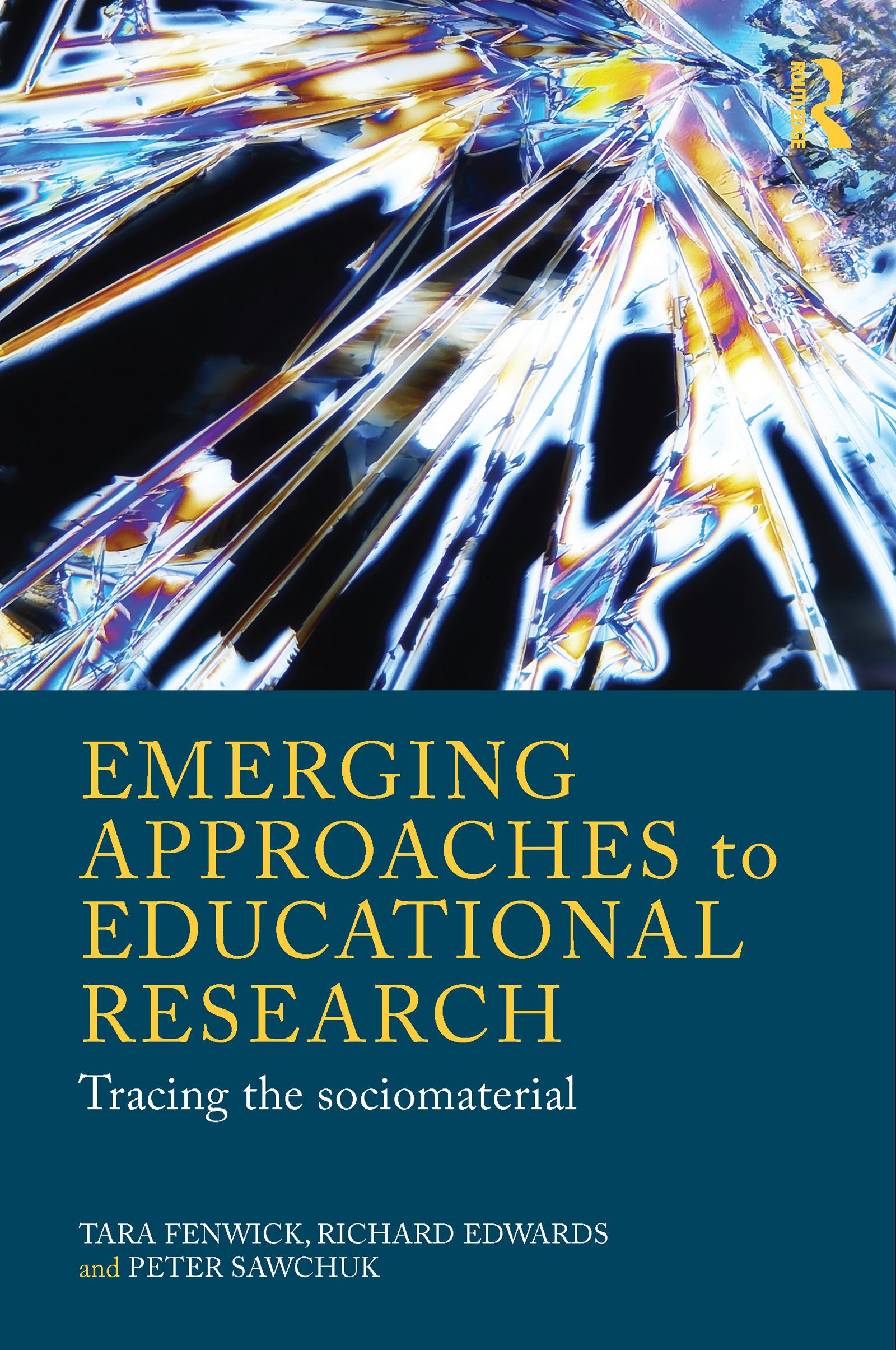
The last fifteen years have seen much conceptual and methodological innovation in research on education and learning across the lifecourse, bringing both fresh insights and new dilemmas. This innovation was initially fuelled by the growing influence of conceptual framings often named as either post-structural or postmodern. The works of Foucault, Derrida and Lyotard have variously found their way into the canons of educational research, and in more recent years, the influence of the work of Deleuze and Guattari has also grown. This work has proved controversial both in the challenges it has raised for the purposes and practices of education and training but also over the assumptions underpinning such work.
As part of and also in response to the influence of post-structuralism and postmodernism in the social sciences, there have emerged and developed a further range of conceptual and methodological framings which are more relational, system and practice-focussed. Several of these framings work with a non-linear understanding of causality and embrace unpredictability in the world and undecidability in our understanding of it. They also challenge any notion of a strong boundary between the social and natural sciences.
This book explores the most significant four of these framings, how they are being taken up in research in education and learning across the lifecourse, as well as their possibilities and limitations:
Illustrated throughout with examples drawn from educational contexts across the life courses, including schooling, post-compulsory education and training, educational policy, workplace and community-based education in North America, the UK, and Australia this vital guide to understanding fresh ways of conducting and understanding educational research will prove essential reading for everyone undertaking educational research in the modern world.
Before Memmo my notes were scattered across PDFs. Now a workspace pulls everything into one place — I see exactly what's still left to study.
Memmo's summaries are gold before exams. I don't have to re-read 800 pages two weeks before — just the important parts.
The AI chat has saved me the night before an exam more than once. I just keep asking until I get it — no waiting on a study group to reply.
The quizzes hit exactly what I need to know. Memmo tracks what I get stuck on — so I only practice what's worth it.
Flashcards with spaced repetition are magic. Memmo knows when I'm about to forget something and brings it back.
The AI podcasts are my favorite. I listen on my way to school and get a recap without sitting at a computer.

Handbok i kvalitativa metoder
281 kr

Hållbar utveckling: en introduktion för ingenjörer och andra problemlösare
334 kr

Brymans Samhällsvetenskapliga metoder
390 kr

Projektledning
491 kr

Den orättvisa hälsan: om socioekonomiska skillnader i hälsa och livslängd
326 kr

Vetenskapsteori för nybörjare
196 kr

Organizational Leadership
429 kr

På väg mot läraryrket
172 kr

Det sociala livet i skolan: Socialpsykologiska perspektiv
253 kr

Betygsättningens didaktik
151 kr

Personality
402 kr

Studying Leadership
404 kr

Managing Innovation
477 kr

Introduktion till samhällsvetenskaplig metod
347 kr

The Psychology of Sex and Gender
698 kr

Evidens och kunskap för socialt arbete
207 kr

Introduction to Leadership
605 kr