
Before Memmo my notes were scattered across PDFs. Now a workspace pulls everything into one place — I see exactly what's still left to study.
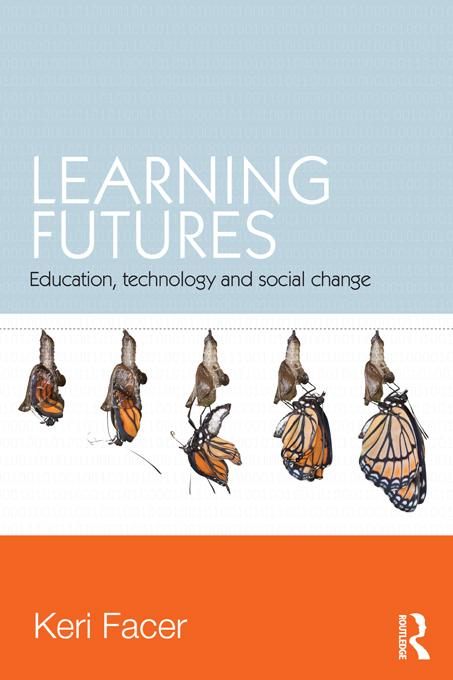
In the twenty-first century, educators around the world are being told that they need to transform education systems to adapt young people for the challenges of a global digital knowledge economy. Too rarely, however, do we ask whether this future vision is robust, achievable or even desirable, whether alternative futures might be in development, and what other possible futures might demand of education.
Drawing on ten years of research into educational innovation and socio-technical change, working with educators, researchers, digital industries, students and policy-makers, this book questions taken-for-granted assumptions about the future of education. Arguing that we have been working with too narrow a vision of the future, Keri Facer makes a case for recognizing the challenges that the next two decades may bring, including:
the emergence of new relationships between humans and technology
the opportunities and challenges of aging populations
the development of new forms of knowledge and democracy
the challenges of climate warming and environmental disruption
the potential for radical economic and social inequalities.
This book describes the potential for these developments to impact critical aspects of education – including adult-child relationships, social justice, curriculum design, community relationships and learning ecologies. Packed with examples from around the world and utilising vital research undertaken by the author while Research Director at the UK’s Futurelab, the book helps to bring into focus the risks and opportunities for schools, students and societies over the coming two decades. It makes a powerful case for rethinking the relationship between education and social and technological change, and presents a set of key strategies for creating schools better able to meet the emerging needs of their students and communities.
An important contribution to the debates surrounding educational futures, this book is compelling reading for all of those, including educators, researchers, policy-makers and students, who are asking the question 'how can education help us to build desirable futures for everyone in the context of social and technological change?'
Before Memmo my notes were scattered across PDFs. Now a workspace pulls everything into one place — I see exactly what's still left to study.
Memmo's summaries are gold before exams. I don't have to re-read 800 pages two weeks before — just the important parts.
The AI chat has saved me the night before an exam more than once. I just keep asking until I get it — no waiting on a study group to reply.
The quizzes hit exactly what I need to know. Memmo tracks what I get stuck on — so I only practice what's worth it.
Flashcards with spaced repetition are magic. Memmo knows when I'm about to forget something and brings it back.
The AI podcasts are my favorite. I listen on my way to school and get a recap without sitting at a computer.

Handbok i kvalitativa metoder
281 kr

Hållbar utveckling: en introduktion för ingenjörer och andra problemlösare
334 kr

Brymans Samhällsvetenskapliga metoder
390 kr

Projektledning
491 kr

Den orättvisa hälsan: om socioekonomiska skillnader i hälsa och livslängd
326 kr

Vetenskapsteori för nybörjare
196 kr

Organizational Leadership
429 kr

På väg mot läraryrket
172 kr

Det sociala livet i skolan: Socialpsykologiska perspektiv
253 kr

Betygsättningens didaktik
151 kr

Personality
402 kr

Studying Leadership
404 kr

Managing Innovation
477 kr

Introduktion till samhällsvetenskaplig metod
347 kr

The Psychology of Sex and Gender
698 kr

Evidens och kunskap för socialt arbete
207 kr

Introduction to Leadership
605 kr