
Before Memmo my notes were scattered across PDFs. Now a workspace pulls everything into one place — I see exactly what's still left to study.
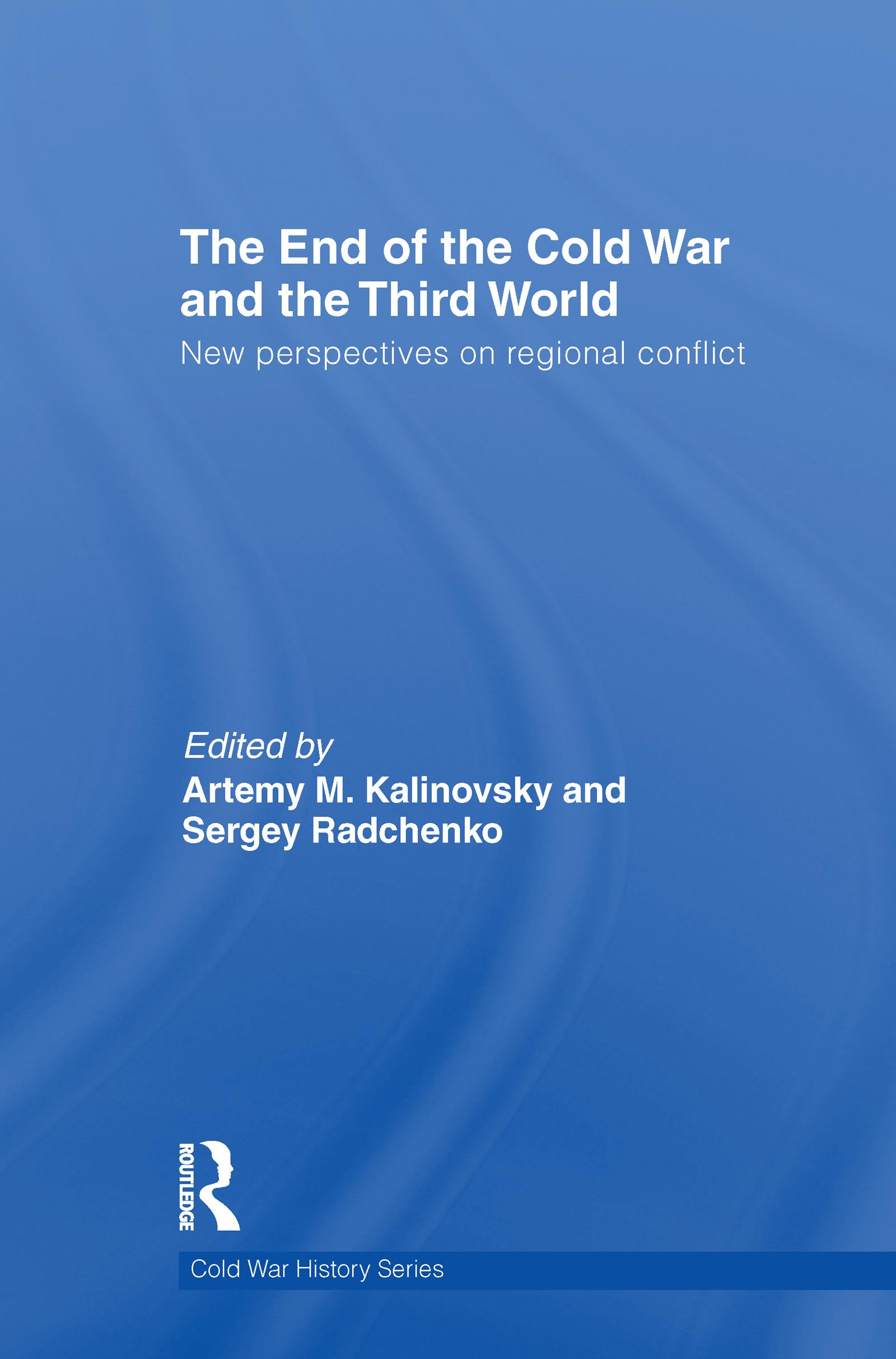
This book brings together recent research on the end of the Cold War in the Third World and engages with ongoing debates about regional conflicts, the role of great powers in the developing world, and the role of international actors in conflict resolution.
Most of the recent scholarship on the end of the Cold War has focused on Europe or bilateral US-Soviet relations. By contrast, relatively little has been written on the end of the Cold War in the Third World: in Asia, Africa, and Latin America. How did the great transformation of the world in the late 1980s affect regional conflicts and client relationships? Who "won" and who "lost" in the Third World and why do so many Cold War-era problems remain unresolved? This book brings to light for the first time evidence from newly declassified archives in Russia, the United States, Eastern Europe, as well as from private collections, recent memoirs and interviews with key participants. It goes further than anything published so far in systematically explaining, both from the perspectives of the superpowers and the Third World countries, what the end of bipolarity meant not only for the underdeveloped periphery so long enmeshed in ideological, socio-political and military conflicts sponsored by Washington, Moscow or Beijing, but also for the broader patterns of international relations.
This book will be of much interest to students of the Cold War, war and conflict studies, third world and development studies, international history, and IR in general.
Before Memmo my notes were scattered across PDFs. Now a workspace pulls everything into one place — I see exactly what's still left to study.
Memmo's summaries are gold before exams. I don't have to re-read 800 pages two weeks before — just the important parts.
The AI chat has saved me the night before an exam more than once. I just keep asking until I get it — no waiting on a study group to reply.
The quizzes hit exactly what I need to know. Memmo tracks what I get stuck on — so I only practice what's worth it.
Flashcards with spaced repetition are magic. Memmo knows when I'm about to forget something and brings it back.
The AI podcasts are my favorite. I listen on my way to school and get a recap without sitting at a computer.

Handbok i kvalitativa metoder
281 kr

Hållbar utveckling: en introduktion för ingenjörer och andra problemlösare
334 kr

Brymans Samhällsvetenskapliga metoder
390 kr

Projektledning
491 kr

Den orättvisa hälsan: om socioekonomiska skillnader i hälsa och livslängd
326 kr

Vetenskapsteori för nybörjare
196 kr

Organizational Leadership
429 kr

På väg mot läraryrket
172 kr

Det sociala livet i skolan: Socialpsykologiska perspektiv
253 kr

Betygsättningens didaktik
151 kr

Personality
402 kr

Studying Leadership
404 kr

Managing Innovation
477 kr

Introduktion till samhällsvetenskaplig metod
347 kr

The Psychology of Sex and Gender
698 kr

Evidens och kunskap för socialt arbete
207 kr

Introduction to Leadership
605 kr