
Before Memmo my notes were scattered across PDFs. Now a workspace pulls everything into one place — I see exactly what's still left to study.
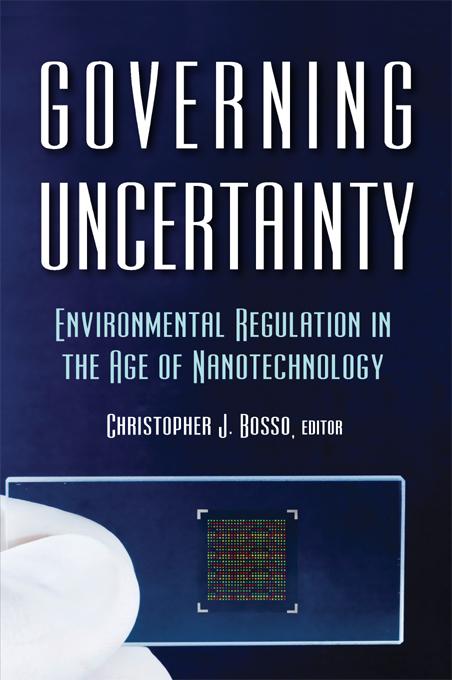
Nanotechnology promises to transform the materials of everyday life, leading to smaller and more powerful computers, more durable plastics and fabrics, cheap and effective water purification systems, more efficient solar panels and storage batteries, and medical devices capable of tracking down and killing cancer cells or treating neurological diseases. Policy analysts predict a radical change in the industrial sector; at present, the U.S. government spends nearly $2 billion annually on nanotechnology research and development. Yet the nanotechnology revolution is not straightforward. Enthusiasm about nanotechnology‘s future is tempered by recognition of the hurdles to its responsible development, including the capacity of government to support technological innovation and economic growth while also addressing potential environmental and public health impacts.
This is the first volume to engage scholarly perspectives on environmental regulation in light of the challenges posed by nanotechnology. Contributors focus on the overarching lessons of decades of regulatory response, while posing a fundamental question: How can government regulatory systems satisfy the desire for scientific innovation while also taking into account the direct and indirect effects of 21st century emerging technologies, particularly in the face of scientific uncertainties? With perspectives from economics, history, philosophy, and public policy, this new resource illuminates the various challenges inherent in the development of nanotechnology and works towards a reconceptualization of government regulatory approaches.
Before Memmo my notes were scattered across PDFs. Now a workspace pulls everything into one place — I see exactly what's still left to study.
Memmo's summaries are gold before exams. I don't have to re-read 800 pages two weeks before — just the important parts.
The AI chat has saved me the night before an exam more than once. I just keep asking until I get it — no waiting on a study group to reply.
The quizzes hit exactly what I need to know. Memmo tracks what I get stuck on — so I only practice what's worth it.
Flashcards with spaced repetition are magic. Memmo knows when I'm about to forget something and brings it back.
The AI podcasts are my favorite. I listen on my way to school and get a recap without sitting at a computer.

Handbok i kvalitativa metoder
281 kr

Hållbar utveckling: en introduktion för ingenjörer och andra problemlösare
334 kr

Brymans Samhällsvetenskapliga metoder
390 kr

Projektledning
491 kr

Den orättvisa hälsan: om socioekonomiska skillnader i hälsa och livslängd
326 kr

Organizational Leadership
429 kr

Vetenskapsteori för nybörjare
196 kr

På väg mot läraryrket
172 kr

Det sociala livet i skolan: Socialpsykologiska perspektiv
253 kr

Betygsättningens didaktik
151 kr

Personality
402 kr

Studying Leadership
404 kr

Managing Innovation
477 kr

Introduktion till samhällsvetenskaplig metod
347 kr

The Psychology of Sex and Gender
698 kr

Evidens och kunskap för socialt arbete
207 kr

Introduction to Leadership
605 kr