
Before Memmo my notes were scattered across PDFs. Now a workspace pulls everything into one place — I see exactly what's still left to study.
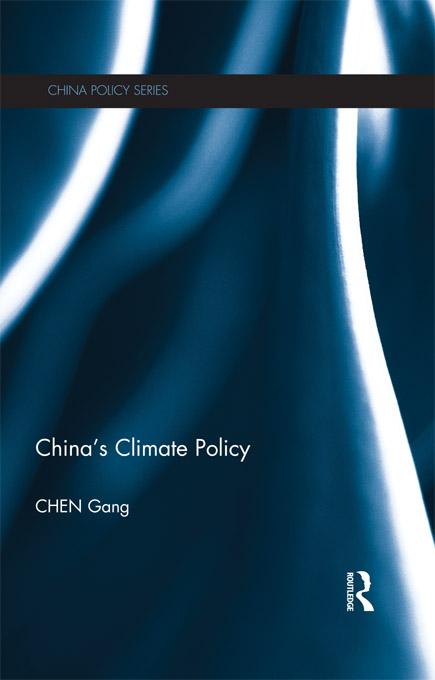
To understand China’s climate change policy is not easy, as the country itself is a paradox actor in global climate political economy: it used to take very suspicious stand on the scientific certainty of climate change, but recently it has become a signatory and firm supporter of the Kyoto Protocol; it stubbornly refuses to accept any emission cutting obligations, but has gradually taken the lead in developing renewable energies and carbon trading business; it accuses western countries of their hypocrisy and irresponsibility, but ironically maintains close cooperation with them on low-carbon projects; it fears climate mitigation commitments may hamper the economic growth, but meanwhile spends most lavishly on the research and development of clean energy and other green technologies.
This book, unlike other researches which explain China’s climate policy from pure economics or politics/foreign policy perspectives, provides a panoramic view over China’s climate-related regulations, laws and policies as well as various government and non-government actors involved in the climate politics. Through analyzing the political and socioeconomic factors that influence the world’s largest carbon emitter’s participation into the global collective actions against climate change, the book argues that as a vast continental state with a mix of authoritarian politics and a quasi-liberalised market economy, China’s climate policy process is fragmented and self-defensive, seemingly having little room for significant compromises or changes; yet in response to the mounting international pressures and energy security concerns and attracted by lucrative carbon businesses and clean energy market, the regime shows some sort of better-than-expected flexibility and shrewdness in coping with the newly-emerged challenges. Its future climate actions, whether effective or not, are vital not only for the success of the global mitigation effort, but for China’s own economic restructure and sustainable development.
The book is a unique research monograph on the evolving domestic and foreign policies taken by the Chinese government to tackle climate change challenges. It concludes that instead of being motivated by concern about its vulnerability to climate change, Chinese climate-related policies have been mainly driven by its intensive attention to energy security, business opportunities lying in emerging green industries and image consideration in the global climate politics.
Before Memmo my notes were scattered across PDFs. Now a workspace pulls everything into one place — I see exactly what's still left to study.
Memmo's summaries are gold before exams. I don't have to re-read 800 pages two weeks before — just the important parts.
The AI chat has saved me the night before an exam more than once. I just keep asking until I get it — no waiting on a study group to reply.
The quizzes hit exactly what I need to know. Memmo tracks what I get stuck on — so I only practice what's worth it.
Flashcards with spaced repetition are magic. Memmo knows when I'm about to forget something and brings it back.
The AI podcasts are my favorite. I listen on my way to school and get a recap without sitting at a computer.

Handbok i kvalitativa metoder
281 kr

Hållbar utveckling: en introduktion för ingenjörer och andra problemlösare
334 kr

Brymans Samhällsvetenskapliga metoder
390 kr

Projektledning
491 kr

Den orättvisa hälsan: om socioekonomiska skillnader i hälsa och livslängd
326 kr

Vetenskapsteori för nybörjare
196 kr

Organizational Leadership
429 kr

På väg mot läraryrket
172 kr

Det sociala livet i skolan: Socialpsykologiska perspektiv
253 kr

Betygsättningens didaktik
151 kr

Personality
402 kr

Studying Leadership
404 kr

Managing Innovation
477 kr

Introduktion till samhällsvetenskaplig metod
347 kr

The Psychology of Sex and Gender
698 kr

Evidens och kunskap för socialt arbete
207 kr

Introduction to Leadership
605 kr