
Before Memmo my notes were scattered across PDFs. Now a workspace pulls everything into one place — I see exactly what's still left to study.
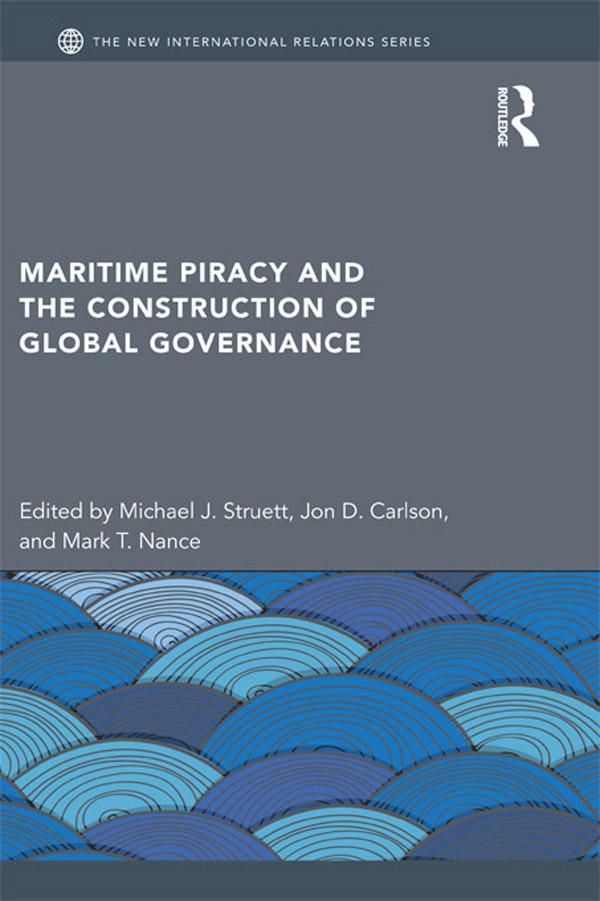
Piratical attacks have become more frequent, violent, costly and increasingly threaten to undermine order in the international system. Much attention has focused on Somalia, but piracy is a problem worldwide. Recent coordination efforts among states in South East Asia appear to have helped in the area, but elsewhere piracy has expanded. Interestingly, international law has long recognized piracy as a crime and provided tools for universal suppression, yet piracy persists.
In this book, a handpicked group of leading experts in the field of International Relations use maritime piracy as a means to expose the incongruities in our understanding of global governance. Using broadly constructivist approaches to understand international actors’ responses to the challenges created by maritime piracy, the contributors question a number of myths and misconceptions around piracy and analyze the various ways that international law and organizations channel actors’ understandings of maritime piracy and their efforts to respond to it. In doing so, they expose some shaky foundations for IR theorists: how do we conceive of governance and legitimacy when they are delinked from the territorial aspect of the modern nation-state? What happens to prospects for cooperation when we get to the nitty-gritty questions of practice related to paying for trials, imprisoning and maintaining captured pirates, bearing the burden of policing sea-lanes, or even determining what constitutes a pirate? Does anyone have a monopoly on the legitimate use of force at sea, and how is that legitimacy constructed?
Maritime Piracy and the Construction of Global Governance offers an improved theoretical understanding of the response of the international community to maritime piracy and broadens our understanding of the complex and sometimes countervailing motivations of all the actors involved, from international organizations and states down to the pirates themselves.
Before Memmo my notes were scattered across PDFs. Now a workspace pulls everything into one place — I see exactly what's still left to study.
Memmo's summaries are gold before exams. I don't have to re-read 800 pages two weeks before — just the important parts.
The AI chat has saved me the night before an exam more than once. I just keep asking until I get it — no waiting on a study group to reply.
The quizzes hit exactly what I need to know. Memmo tracks what I get stuck on — so I only practice what's worth it.
Flashcards with spaced repetition are magic. Memmo knows when I'm about to forget something and brings it back.
The AI podcasts are my favorite. I listen on my way to school and get a recap without sitting at a computer.

Handbok i kvalitativa metoder
281 kr

Hållbar utveckling: en introduktion för ingenjörer och andra problemlösare
334 kr

Brymans Samhällsvetenskapliga metoder
390 kr

Projektledning
491 kr

Den orättvisa hälsan: om socioekonomiska skillnader i hälsa och livslängd
326 kr

Vetenskapsteori för nybörjare
196 kr

Organizational Leadership
429 kr

På väg mot läraryrket
172 kr

Det sociala livet i skolan: Socialpsykologiska perspektiv
253 kr

Betygsättningens didaktik
151 kr

Personality
402 kr

Studying Leadership
404 kr

Managing Innovation
477 kr

Introduktion till samhällsvetenskaplig metod
347 kr

The Psychology of Sex and Gender
698 kr

Evidens och kunskap för socialt arbete
207 kr

Introduction to Leadership
605 kr