
Before Memmo my notes were scattered across PDFs. Now a workspace pulls everything into one place — I see exactly what's still left to study.
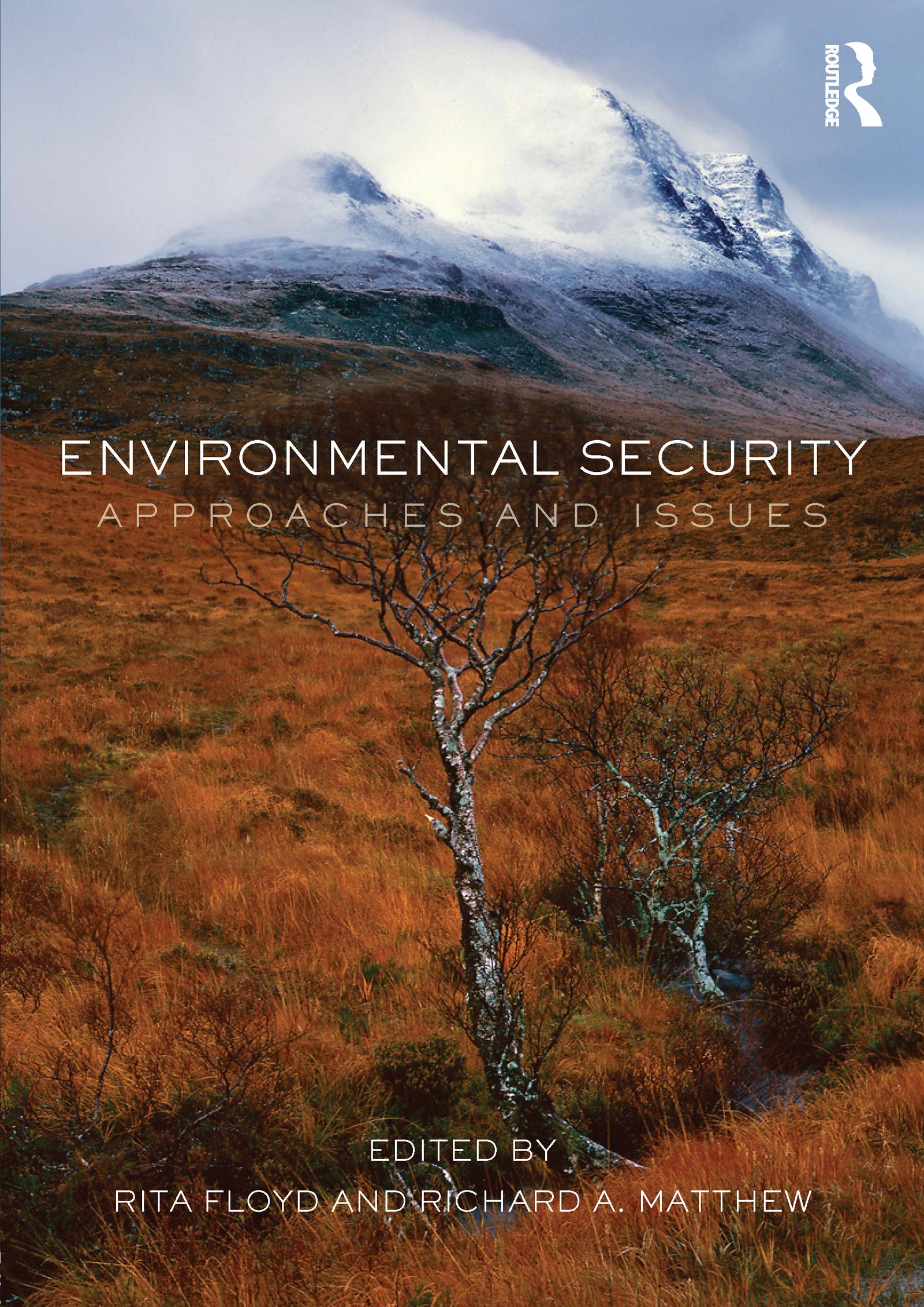
Economic development, population growth and poor resource management have combined to alter the planet’s natural environment in dramatic and alarming ways. For over twenty years, considerable research and debate have focused on clarifying or disputing linkages between various forms of environmental change and various understandings of security. At one extreme lie sceptics who contend that the linkages are weak or even non-existent; they are simply attempts to harness the resources of the security arena to an environmental agenda. At the other extreme lie those who believe that these linkages may be the most important drivers of security in the 21st century; indeed, the very future of humankind may be at stake.
This book brings together contributions from a range of disciplines to present a critical and comprehensive overview of the research and debate linking environmental factors to security. It provides a framework for representing and understanding key areas of intellectual convergence and disagreement, clarifying achievements of the research as well as identifying its weaknesses and gaps. Part I explores the various ways environmental change and security have been linked, and provides principal critiques of this linkage. Part II explores the linkage through analysis of key issue areas such as climate change, energy, water, food, population, and development. Finally, the book concludes with a discussion of the value of this subfield of security studies, and with some ideas about the questions it might profitably address in the future.
This volume is the first to provide a comprehensive overview of the field. With contributions from around the world, it combines established and emerging scholars to offer a platform for the next wave of research and policy activity. It is invaluable for both students and practitioners interested in international relations, environment studies and human geography.
Before Memmo my notes were scattered across PDFs. Now a workspace pulls everything into one place — I see exactly what's still left to study.
Memmo's summaries are gold before exams. I don't have to re-read 800 pages two weeks before — just the important parts.
The AI chat has saved me the night before an exam more than once. I just keep asking until I get it — no waiting on a study group to reply.
The quizzes hit exactly what I need to know. Memmo tracks what I get stuck on — so I only practice what's worth it.
Flashcards with spaced repetition are magic. Memmo knows when I'm about to forget something and brings it back.
The AI podcasts are my favorite. I listen on my way to school and get a recap without sitting at a computer.

Handbok i kvalitativa metoder
281 kr

Hållbar utveckling: en introduktion för ingenjörer och andra problemlösare
334 kr

Brymans Samhällsvetenskapliga metoder
390 kr

Projektledning
491 kr

Den orättvisa hälsan: om socioekonomiska skillnader i hälsa och livslängd
326 kr

Vetenskapsteori för nybörjare
196 kr

Organizational Leadership
429 kr

På väg mot läraryrket
172 kr

Det sociala livet i skolan: Socialpsykologiska perspektiv
253 kr

Betygsättningens didaktik
151 kr

Personality
402 kr

Studying Leadership
404 kr

Managing Innovation
477 kr

Introduktion till samhällsvetenskaplig metod
347 kr

The Psychology of Sex and Gender
698 kr

Evidens och kunskap för socialt arbete
207 kr

Introduction to Leadership
605 kr