
Before Memmo my notes were scattered across PDFs. Now a workspace pulls everything into one place — I see exactly what's still left to study.
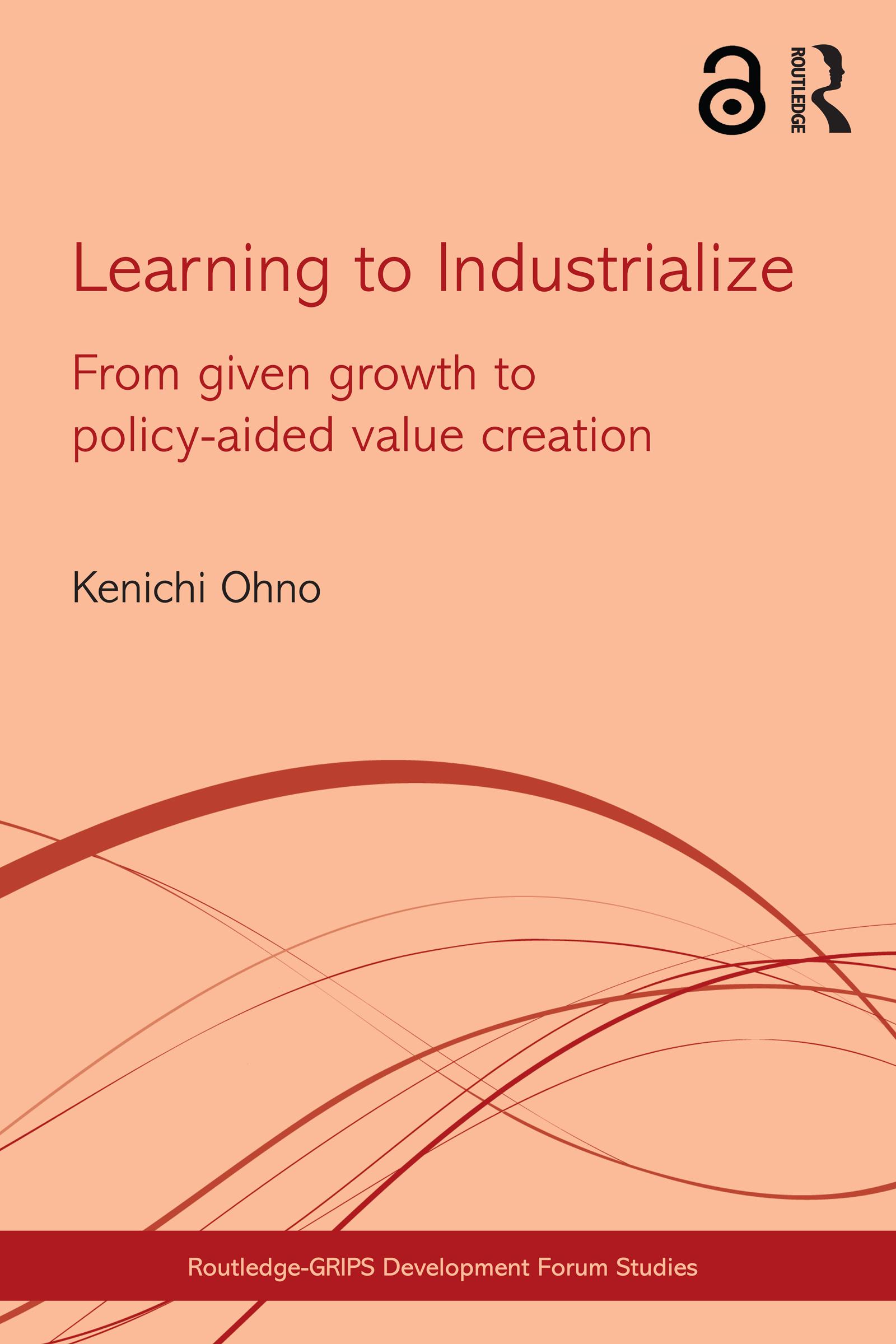
This book proposes a new, pragmatic way of approaching economic development which features policy learning based on a comparison of international best policy practices. While the important role of government in promoting private sector development is being recognized, policy discussion often remains general without details as to what exactly to do and how to avoid common pitfalls. This book fills the gap by showing concrete policy contents, procedures, and organizations adopted in high-performing East Asian economies.
Natural resources and foreign aid and investment can take a country to a certain income level, but growth stalls when given advantages are exhausted. Economies will be caught in middle income traps if growth impetus is not internally generated. Meanwhile, countries that have soared to high income introduced mindset, policies, and institutions that encouraged, or even forced, accumulation of human capital – skills, technology, and knowledge. How this can be done systematically is the main topic of policy learning. However, government should not randomly adopt what Singapore or Taiwan did in the past. A continued march to prosperity is possible only when policy makers acquire capability to formulate policy suitable for local context after studying a number of international experiences.
Developing countries wanting to adopt effective industrial strategies but not knowing where to start will benefit greatly by the ideas and hands-on examples presented by the author. Students of development economics will find a new methodological perspective which can supplement the ongoing industrial policy debate. The book also gives an excellent account of national pride and pragmatism exhibited by officials in East Asia who produced remarkable economic growth, as well as serious effort by an African country to emulate this miracle.
The Open Access version of this book, available at http://www.taylorfrancis.com/doi/view/10.4324/9780203085530 has been made available under a Creative Commons Attribution-Non Commercial-No Derivatives 4.0 license.
Before Memmo my notes were scattered across PDFs. Now a workspace pulls everything into one place — I see exactly what's still left to study.
Memmo's summaries are gold before exams. I don't have to re-read 800 pages two weeks before — just the important parts.
The AI chat has saved me the night before an exam more than once. I just keep asking until I get it — no waiting on a study group to reply.
The quizzes hit exactly what I need to know. Memmo tracks what I get stuck on — so I only practice what's worth it.
Flashcards with spaced repetition are magic. Memmo knows when I'm about to forget something and brings it back.
The AI podcasts are my favorite. I listen on my way to school and get a recap without sitting at a computer.

Handbok i kvalitativa metoder
281 kr

Hållbar utveckling: en introduktion för ingenjörer och andra problemlösare
334 kr

Brymans Samhällsvetenskapliga metoder
390 kr

Projektledning
491 kr

Den orättvisa hälsan: om socioekonomiska skillnader i hälsa och livslängd
326 kr

Vetenskapsteori för nybörjare
196 kr

Organizational Leadership
429 kr

På väg mot läraryrket
172 kr

Det sociala livet i skolan: Socialpsykologiska perspektiv
253 kr

Betygsättningens didaktik
151 kr

Personality
402 kr

Studying Leadership
404 kr

Managing Innovation
477 kr

Introduktion till samhällsvetenskaplig metod
347 kr

The Psychology of Sex and Gender
698 kr

Evidens och kunskap för socialt arbete
207 kr

Introduction to Leadership
605 kr