
Before Memmo my notes were scattered across PDFs. Now a workspace pulls everything into one place — I see exactly what's still left to study.
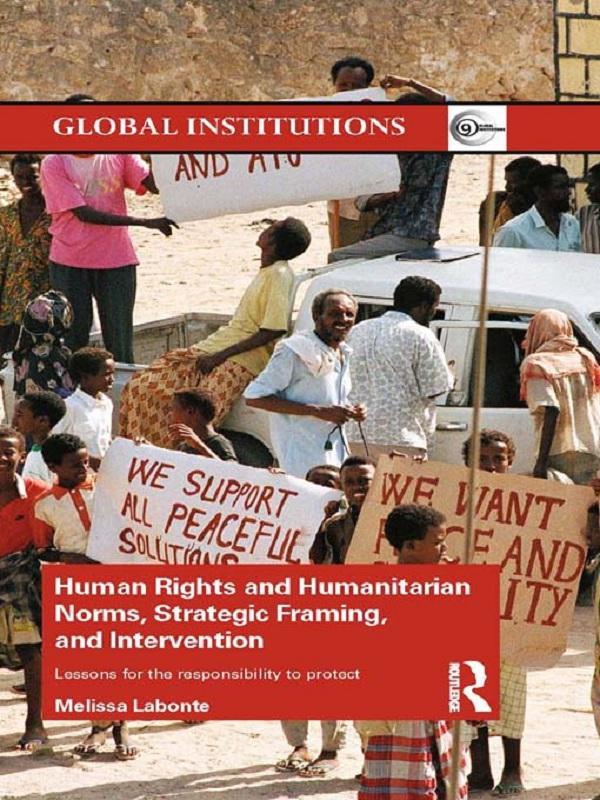
The human rights and humanitarian landscape of the modern era has been littered with acts that have shocked the moral conscience of mankind, and there has been wide variation in whether, how, and to what degree states respond to mass atrocity crimes, even when they share similar characteristics. In many cases concerned states responded, either through moral suasion; gentle or coercive diplomacy; or other non-forcible measures, to prevent or halt the indiscriminate human rights violations that were occurring. In others, states simply turned away and left the vulnerable to their fate. And still yet in other cases, states responded robustly, using military force to stop the atrocities and save lives.
This book seeks to examine the effects of strategic framing in U.S. and UN policy arenas to draw conclusions regarding whether and how the human rights and humanitarian norms embedded within such frames resonated with decision-makers and, in turn, how they shaped variation in levels of political will concerning humanitarian intervention in three cases that today would qualify as Responsibility to Protect (R2P) cases: Somalia, Rwanda, and Sierra Leone. Labonte concludes that in order for humanitarian interventions to stand a higher likelihood of being effective, states advocating in support of such actions must find a way to persuade policymakers by appealing to both the logic of consequences (which rely on material and pragmatic considerations) and logic of appropriateness (which rely on normatively appropriate considerations) – and strategic framing may be one path to achieve this outcome.
Offering a detailed and examination of three key cases and providing some an original and important contribution to the field this work will be of great interest to students and scholars alike.
Before Memmo my notes were scattered across PDFs. Now a workspace pulls everything into one place — I see exactly what's still left to study.
Memmo's summaries are gold before exams. I don't have to re-read 800 pages two weeks before — just the important parts.
The AI chat has saved me the night before an exam more than once. I just keep asking until I get it — no waiting on a study group to reply.
The quizzes hit exactly what I need to know. Memmo tracks what I get stuck on — so I only practice what's worth it.
Flashcards with spaced repetition are magic. Memmo knows when I'm about to forget something and brings it back.
The AI podcasts are my favorite. I listen on my way to school and get a recap without sitting at a computer.

Handbok i kvalitativa metoder
281 kr

Hållbar utveckling: en introduktion för ingenjörer och andra problemlösare
334 kr

Brymans Samhällsvetenskapliga metoder
390 kr

Projektledning
491 kr

Den orättvisa hälsan: om socioekonomiska skillnader i hälsa och livslängd
326 kr

Vetenskapsteori för nybörjare
196 kr

Organizational Leadership
429 kr

På väg mot läraryrket
172 kr

Det sociala livet i skolan: Socialpsykologiska perspektiv
253 kr

Betygsättningens didaktik
151 kr

Personality
402 kr

Studying Leadership
404 kr

Managing Innovation
477 kr

Introduktion till samhällsvetenskaplig metod
347 kr

The Psychology of Sex and Gender
698 kr

Evidens och kunskap för socialt arbete
207 kr

Introduction to Leadership
605 kr