
Before Memmo my notes were scattered across PDFs. Now a workspace pulls everything into one place — I see exactly what's still left to study.
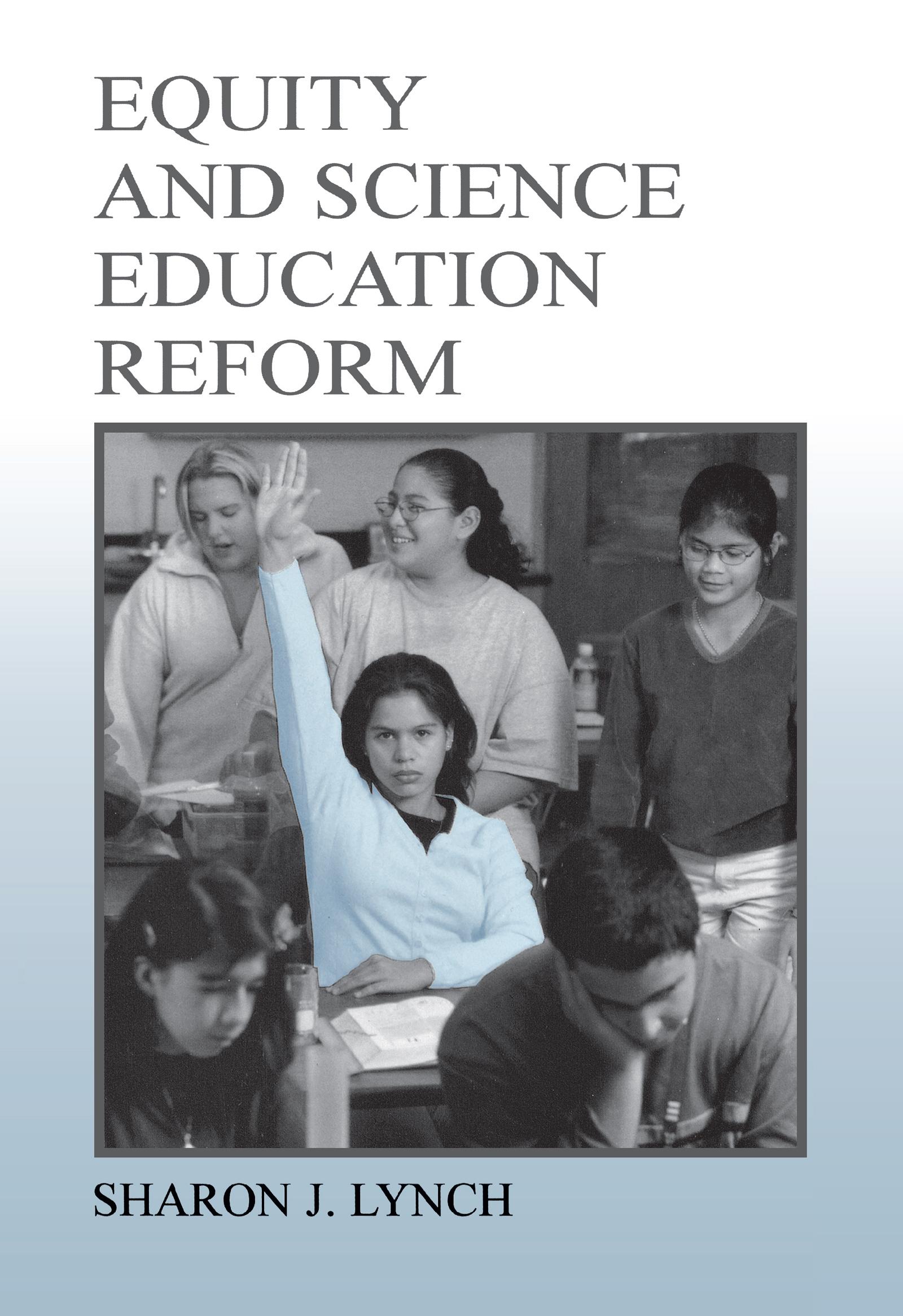
This lucid, accessible, thought-provoking discussion of issues related to equity in science education reform is for science educators, including idealists and exacting pragmatists, who are dedicated to exploring what it means to put into practice rallying cries like "science literacy for all," "equity and excellence," and "standards-based reform."
Intended as an enjoyable and stimulating read, as opposed to a comprehensive summary of everything ever written about equity in science education, it is a response to the new science education standards and reforms, with their goal of science literacy for all. If this goal is to be taken seriously, the implications are immense. A central purpose of this book is to project and discuss how achieving this goal would affect science education reform and vice versa.
The work is research based, using statistics, tables, and figures drawn primarily from NSF reports and other public information documents to provide a foundation for equity concerns. However, these statistics are not the main focus of the book. Rather, they are used to make a case, backed by pertinent research, the literature on best practice, and provocative examples from schools and classrooms. Charts, tables, and graphic organizers provide visual evidence and enhance the arguments presented.
Moving from research-based studies to classroom stories, Equity and Science Education Reform encourages readers to think about the complexity of the issues. No easy answers or quick fixes are offered.
Researching across "identity" areas and attempting to unite them in a discussion that recognizes both the common elements as well as important distinctions, it provides a comprehensive picture of equity concerns across ethnicity, class, gender, and location. Encompassing a broad literature in science education, reform and policy, and equity issues, it offers an "equity schema" as a unifying concept to guide discussion throughout.
This book is based, in part, on a series of nine background papers that were commissioned by the American Association for the Advancement of Science's Project 2061 and the summary document, which was written by the author of this book. But it goes far beyond the original study to provide a consistent, coherent, and lively discussion that vividly illustrates the issues raised by the experiences of teachers and students who are struggling with equity principles in the context of science education reform.
Before Memmo my notes were scattered across PDFs. Now a workspace pulls everything into one place — I see exactly what's still left to study.
Memmo's summaries are gold before exams. I don't have to re-read 800 pages two weeks before — just the important parts.
The AI chat has saved me the night before an exam more than once. I just keep asking until I get it — no waiting on a study group to reply.
The quizzes hit exactly what I need to know. Memmo tracks what I get stuck on — so I only practice what's worth it.
Flashcards with spaced repetition are magic. Memmo knows when I'm about to forget something and brings it back.
The AI podcasts are my favorite. I listen on my way to school and get a recap without sitting at a computer.

Handbok i kvalitativa metoder
281 kr

Hållbar utveckling: en introduktion för ingenjörer och andra problemlösare
334 kr

Brymans Samhällsvetenskapliga metoder
390 kr

Projektledning
491 kr

Den orättvisa hälsan: om socioekonomiska skillnader i hälsa och livslängd
326 kr

Vetenskapsteori för nybörjare
196 kr

Organizational Leadership
429 kr

På väg mot läraryrket
172 kr

Det sociala livet i skolan: Socialpsykologiska perspektiv
253 kr

Betygsättningens didaktik
151 kr

Personality
402 kr

Studying Leadership
404 kr

Managing Innovation
477 kr

Introduktion till samhällsvetenskaplig metod
347 kr

The Psychology of Sex and Gender
698 kr

Evidens och kunskap för socialt arbete
207 kr

Introduction to Leadership
605 kr