
Before Memmo my notes were scattered across PDFs. Now a workspace pulls everything into one place — I see exactly what's still left to study.
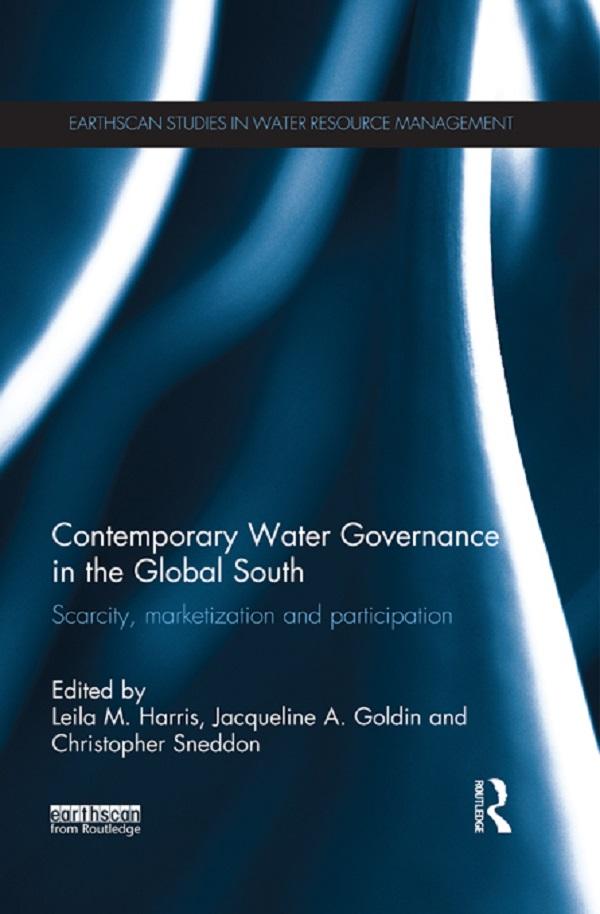
The litany of alarming observations about water use and misuse is now familiar—over a billion people without access to safe drinking water; almost every major river dammed and diverted; increasing conflicts over the delivery of water in urban areas; continuing threats to water quality from agricultural inputs and industrial wastes; and the increasing variability of climate, including threats of severe droughts and flooding across locales and regions. These issues present tremendous challenges for water governance.
This book focuses on three major concepts and approaches that have gained currency in policy and governance circles, both globally and regionally—scarcity and crisis, marketization and privatization, and participation. It provides a historical and contextual overview of each of these ideas as they have emerged in global and regional policy and governance circles and pairs these with in-depth case studies that examine manifestations and contestations of water governance internationally.
The book interrogates ideas of water crisis and scarcity in the context of bio-physical, political, social and environmental landscapes to better understand how ideas and practices linked to scarcity and crisis take hold, and become entrenched in policy and practice. The book also investigates ideas of marketization and privatization, increasingly prominent features of water governance throughout the global South, with particular attention to the varied implementation and effects of these governance practices. The final section of the volume analyzes participatory water governance, querying the disconnects between global discourses and local realities, particularly as they intersect with the other themes of interest to the volume.
Promoting a view of changing water governance that links across these themes and in relation to contemporary realities, the book is invaluable for students, researchers, advocates, and policy makers interested in water governance challenges facing the developing world.
Before Memmo my notes were scattered across PDFs. Now a workspace pulls everything into one place — I see exactly what's still left to study.
Memmo's summaries are gold before exams. I don't have to re-read 800 pages two weeks before — just the important parts.
The AI chat has saved me the night before an exam more than once. I just keep asking until I get it — no waiting on a study group to reply.
The quizzes hit exactly what I need to know. Memmo tracks what I get stuck on — so I only practice what's worth it.
Flashcards with spaced repetition are magic. Memmo knows when I'm about to forget something and brings it back.
The AI podcasts are my favorite. I listen on my way to school and get a recap without sitting at a computer.

Handbok i kvalitativa metoder
281 kr

Hållbar utveckling: en introduktion för ingenjörer och andra problemlösare
334 kr

Brymans Samhällsvetenskapliga metoder
390 kr

Projektledning
491 kr

Den orättvisa hälsan: om socioekonomiska skillnader i hälsa och livslängd
326 kr

Vetenskapsteori för nybörjare
196 kr

Organizational Leadership
429 kr

På väg mot läraryrket
172 kr

Det sociala livet i skolan: Socialpsykologiska perspektiv
253 kr

Betygsättningens didaktik
151 kr

Personality
402 kr

Studying Leadership
404 kr

Managing Innovation
477 kr

Introduktion till samhällsvetenskaplig metod
347 kr

The Psychology of Sex and Gender
698 kr

Evidens och kunskap för socialt arbete
207 kr

Introduction to Leadership
605 kr