
Before Memmo my notes were scattered across PDFs. Now a workspace pulls everything into one place — I see exactly what's still left to study.
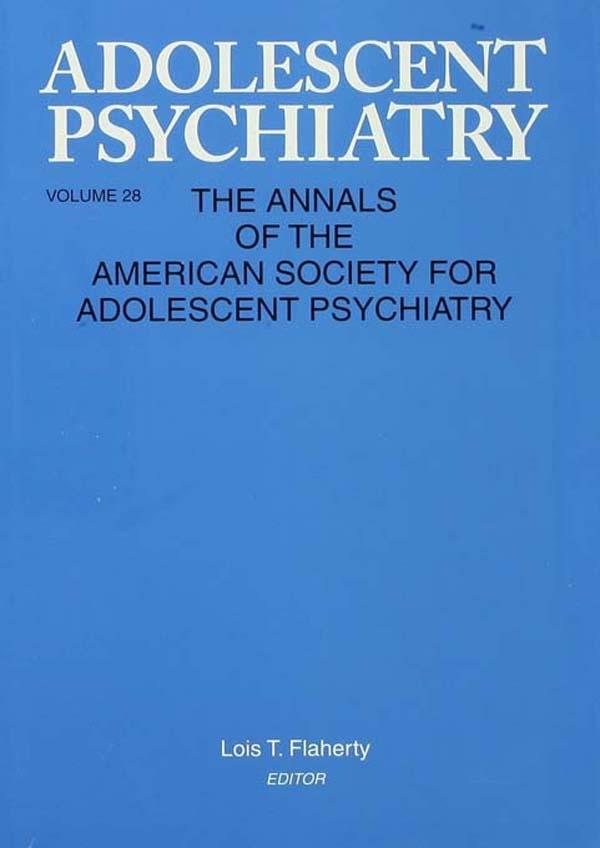
The ASAP's longstanding advocacy of troubled adolescents gains expression in Volume 28 of Adolescent Psychiatry, which focuses on the juvenile justice system and other dimensions of adolescents and the law. A special section on the forensic and legal aspects of adolescent psychiatry traverses the competence of adolescents to consent to treatment; the "voluntary" hospitalization of adolescents; the utility of residential treatment programs in the management of juvenile delinquency; and Richard Ratner's Schonfeld Lecture, "Juvenile Justice?" The special demands on psychiatric providers are addressed in Richard Rosner's proposal for the legal regulation of the practice of adolescent psychiatry and Alan Tuckman's and Dominic Ferro's consideration of professional liability and malpractice in adolescent psychiatry.
The treatment challenges addressed in Part II are complementary to the focus on the legal aspects of clinical work with adolescents. Contributors address the impact of adolescent hostility on the therapeutic process; the evaluation of teenagers who make threats in school settings; the evaluation and treatment of boys who have been sexually abused by clergy; the psychotherapy of learning-disabled adolescents; and the assessment and treatment of juveniles who commit sex crimes.
Volume 28 concludes with two chapters that underscore the ASAP's commitment to timely consideration of the relations among culture, development, and psychopathology. Eugenio Rothe offers a comprehensive overview of Hispanic adolescents and their families and then develops practical guidelines on therapeutic approaches to Hispanic adolescents. And Max Sugar, building on previous examinations of the effects of military experience on late-adolescent males, develops a new conceptualization, "warrior identity problem," to explain the postmilitary adjustment problems of certain young male soldiers and the psychopathology observed in some veterans.
Before Memmo my notes were scattered across PDFs. Now a workspace pulls everything into one place — I see exactly what's still left to study.
Memmo's summaries are gold before exams. I don't have to re-read 800 pages two weeks before — just the important parts.
The AI chat has saved me the night before an exam more than once. I just keep asking until I get it — no waiting on a study group to reply.
The quizzes hit exactly what I need to know. Memmo tracks what I get stuck on — so I only practice what's worth it.
Flashcards with spaced repetition are magic. Memmo knows when I'm about to forget something and brings it back.
The AI podcasts are my favorite. I listen on my way to school and get a recap without sitting at a computer.

Handbok i kvalitativa metoder
281 kr

Hållbar utveckling: en introduktion för ingenjörer och andra problemlösare
334 kr

Brymans Samhällsvetenskapliga metoder
390 kr

Projektledning
491 kr

Den orättvisa hälsan: om socioekonomiska skillnader i hälsa och livslängd
326 kr

Vetenskapsteori för nybörjare
196 kr

Organizational Leadership
429 kr

På väg mot läraryrket
172 kr

Det sociala livet i skolan: Socialpsykologiska perspektiv
253 kr

Betygsättningens didaktik
151 kr

Personality
402 kr

Studying Leadership
404 kr

Managing Innovation
477 kr

Introduktion till samhällsvetenskaplig metod
347 kr

The Psychology of Sex and Gender
698 kr

Evidens och kunskap för socialt arbete
207 kr

Introduction to Leadership
605 kr