
Before Memmo my notes were scattered across PDFs. Now a workspace pulls everything into one place — I see exactly what's still left to study.
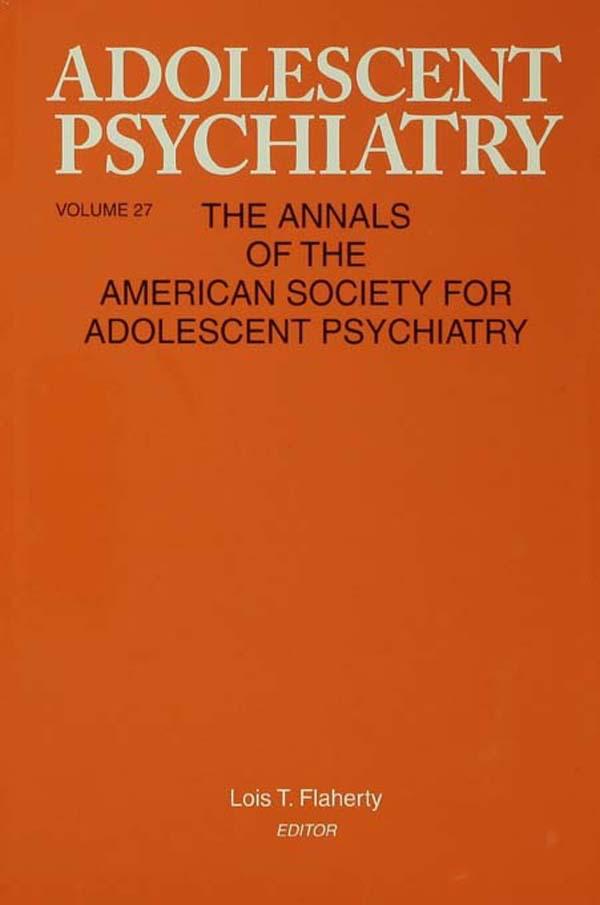
Volume 27 of Adolescent Psychiatry focuses on trauma and violence among adolescents, and attends especially to the psychological, biological, and social impact of trauma on its victims, especially the young. Schonfeld Award papers offer a historical perspective on adolescent violence in America, and examine terrorism by looking at the appeal of ideologies that espouse violent revolution to young people. Christopher Thomas and his colleagues, drawing on their groundbreaking work on youth violence in Galveston, Texas, add a study that links gang members with serious violent crime.
A series of papers by the Committee on Adolescence of GAP deals not only with the nature, scope, and impact of trauma, but also with its implications for mental health training and public policy, helpfully supplemented by studies that consider the neurobiological effects of trauma and the cultural and gender-based dimensions of trauma. The clinical yield of these new perspectives is addressed in chapters on interventions with traumatized adolescents and on the special vulnerability of late adolescents to combat-related PTSD. Clinical contributions of related interest show how effective interventions can reduce the use of seclusion and restraint with state hospital adolescent populations; and provide an up-to-date understanding of the recognition of, and differentiation between, early-onset schizophrenia and bipolar disorder.
James Gilfoil discusses the importance of families' attitudes toward psychotherapy in the outcome of clinical work with adolescents. Saul Levine dissects the various self-deceptions and myths among mental health professionals and policymakers that have militated against appropriate therapeutic care for adolescents. And Volume 27 concludes with an ASAP Position Paper that provides further discussion of the role of societal attitudes about youth in both the perpetuation of violence and the lack of appropriate interventions.
Before Memmo my notes were scattered across PDFs. Now a workspace pulls everything into one place — I see exactly what's still left to study.
Memmo's summaries are gold before exams. I don't have to re-read 800 pages two weeks before — just the important parts.
The AI chat has saved me the night before an exam more than once. I just keep asking until I get it — no waiting on a study group to reply.
The quizzes hit exactly what I need to know. Memmo tracks what I get stuck on — so I only practice what's worth it.
Flashcards with spaced repetition are magic. Memmo knows when I'm about to forget something and brings it back.
The AI podcasts are my favorite. I listen on my way to school and get a recap without sitting at a computer.

Handbok i kvalitativa metoder
281 kr

Hållbar utveckling: en introduktion för ingenjörer och andra problemlösare
334 kr

Brymans Samhällsvetenskapliga metoder
390 kr

Projektledning
491 kr

Den orättvisa hälsan: om socioekonomiska skillnader i hälsa och livslängd
326 kr

Vetenskapsteori för nybörjare
196 kr

Organizational Leadership
429 kr

På väg mot läraryrket
172 kr

Det sociala livet i skolan: Socialpsykologiska perspektiv
253 kr

Betygsättningens didaktik
151 kr

Personality
402 kr

Studying Leadership
404 kr

Managing Innovation
477 kr

Introduktion till samhällsvetenskaplig metod
347 kr

The Psychology of Sex and Gender
698 kr

Evidens och kunskap för socialt arbete
207 kr

Introduction to Leadership
605 kr