
Before Memmo my notes were scattered across PDFs. Now a workspace pulls everything into one place — I see exactly what's still left to study.
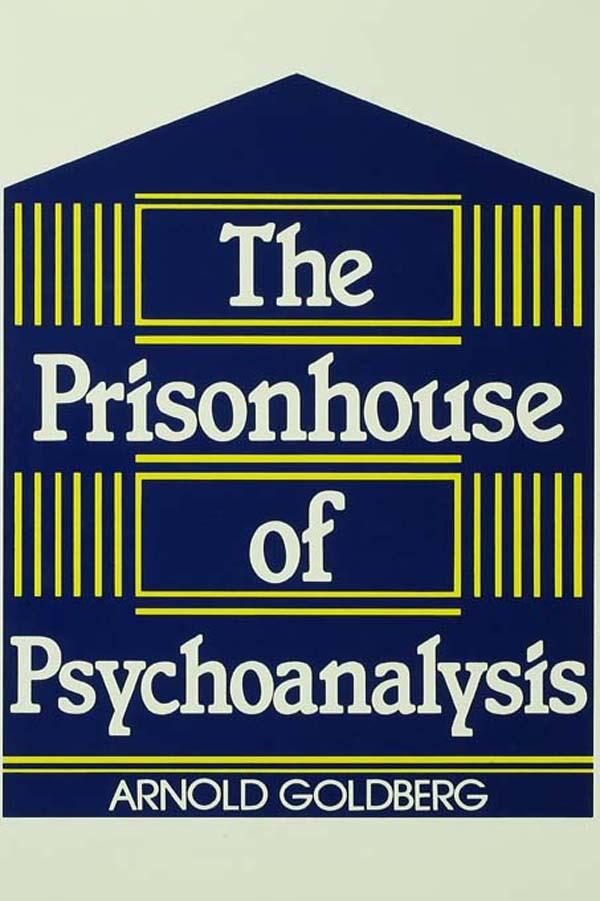
In The Prisonhouse of Psychoanalysis, Arnold Goldberg trains a searching, critical eye on his own profession. His subject matter is the system of interlocking constraints - theoretical, institutional, educational - that imprisons psychoanalysis and the psychoanalyst. His agenda is to sketch the shape analysis might take in the absence of these constraints. What emerges from these twin endeavors is a penetrating critique of psychoanalysis from the inside - from the vantage point of a senior analyst who has labored for many years within the prisonhouse that he now criticizes.
In proffering an alternative vision of psychoanalysis, Goldberg ventures into recent literature in epistemology, philosophy of science, cognitive psychology, and the neurosciences, so that one valuable byproduct of his work is a brilliant application of insights culled from these fields to the question of what analysis is, and what it may yet become. His examination of "psychoanalysis without foundations" challenges the ability of infancy research data and neurological findings, respectively, to provide an empirical rock bottom from which psychoanalytic theory-building can proceed. His chapter on "psychoanalysis without representations" reviews the analytic literature on the latter concept, only to show how recent theories of brain processing, including connectionism, provides a basis for understanding mental phenomena without any intermediary representations. Finally, his vision of "psychoanalysis without a subject" assesses recent findings about the nature of memory, insights of contemporary philosophy, and Kohut's notion of the selfobject as converging tributaries that make possible an analysis that dispenses with the conventional dichotomy of subject and object.
Before Memmo my notes were scattered across PDFs. Now a workspace pulls everything into one place — I see exactly what's still left to study.
Memmo's summaries are gold before exams. I don't have to re-read 800 pages two weeks before — just the important parts.
The AI chat has saved me the night before an exam more than once. I just keep asking until I get it — no waiting on a study group to reply.
The quizzes hit exactly what I need to know. Memmo tracks what I get stuck on — so I only practice what's worth it.
Flashcards with spaced repetition are magic. Memmo knows when I'm about to forget something and brings it back.
The AI podcasts are my favorite. I listen on my way to school and get a recap without sitting at a computer.

Handbok i kvalitativa metoder
281 kr

Hållbar utveckling: en introduktion för ingenjörer och andra problemlösare
334 kr

Brymans Samhällsvetenskapliga metoder
390 kr

Projektledning
491 kr

Den orättvisa hälsan: om socioekonomiska skillnader i hälsa och livslängd
326 kr

Vetenskapsteori för nybörjare
196 kr

Organizational Leadership
429 kr

På väg mot läraryrket
172 kr

Det sociala livet i skolan: Socialpsykologiska perspektiv
253 kr

Betygsättningens didaktik
151 kr

Personality
402 kr

Studying Leadership
404 kr

Managing Innovation
477 kr

Introduktion till samhällsvetenskaplig metod
347 kr

The Psychology of Sex and Gender
698 kr

Evidens och kunskap för socialt arbete
207 kr

Introduction to Leadership
605 kr