
Before Memmo my notes were scattered across PDFs. Now a workspace pulls everything into one place — I see exactly what's still left to study.
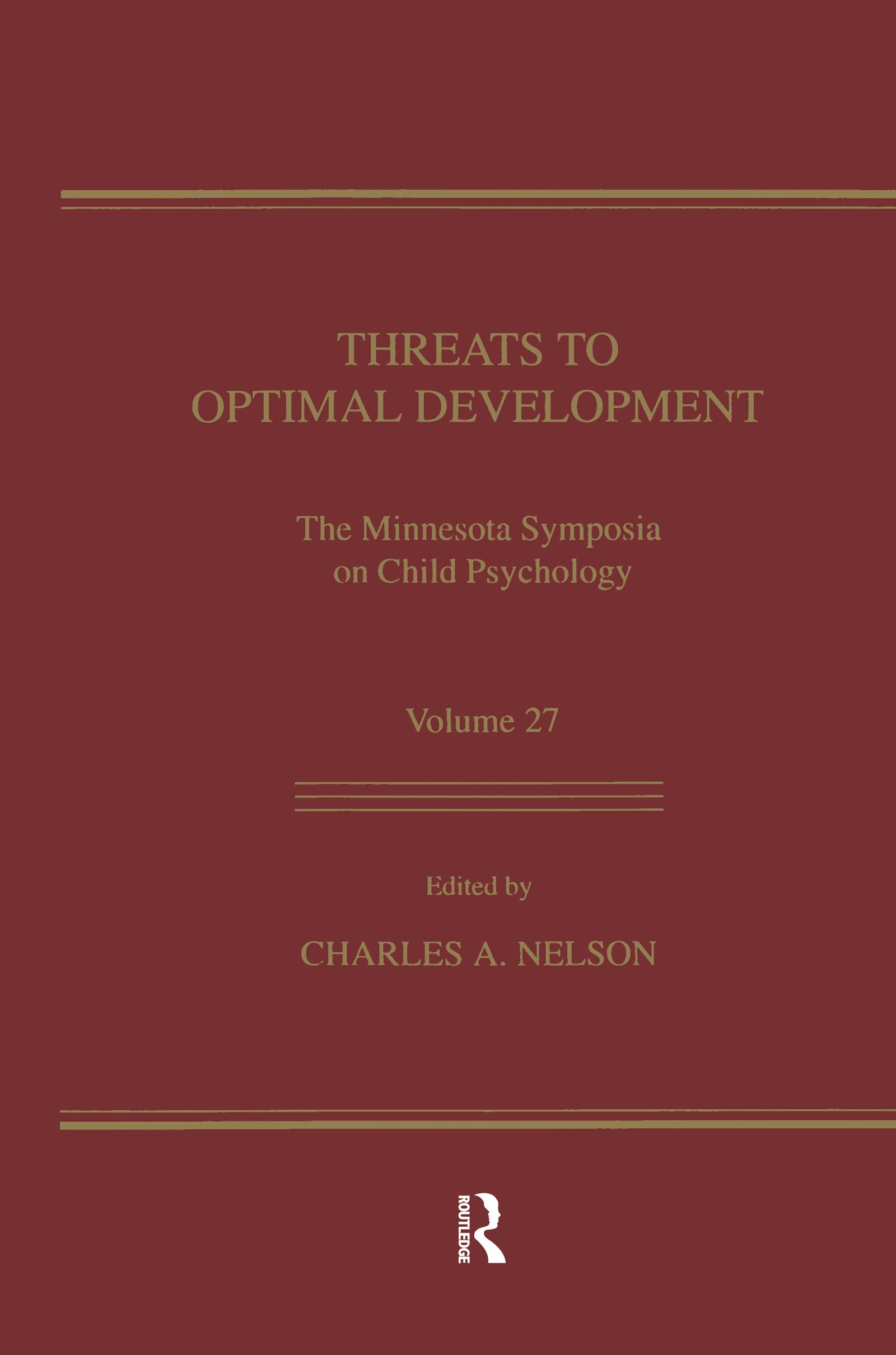
Psychology's recent immersion in risk research has introduced a new variant in which the focus is not solely on disease, but also on the effects and consequences produced by the multiple aspects of risk on individual adaptation. Variations in such patterns of adaptation signal the entrance of protective factors as an added element to the clinical and research focus in the prediction of positive versus negative outcomes under the duress of stressful experiences.
Given psychology's investment in the entire range of human adaptation--embracing severe disorder at one extreme and strong positive adaptations at the other--it is not surprising to find this new element of compensatory protective factors as a reshaping factor in the field of risk research. It is one that recognizes and studies the relevance of risk influences on disorder, but also focuses on recovery from disorder or the absence of disorder despite the presence of risk. This latter element implicates the notion of "resilience." It is this opening of the field of risk research that seems to bear the heavy and welcome imprint of psychology. Fundamental to the study of protective factors in development, however, is a broad knowledge base focused on risk factors that often contain the healthy development of infants and children.
This volume reflects a continuation of the concerns of the Institute of Child Development with the nature and content of development in multiple contexts. It comes at a most welcome point since the Institute--in collaboration with the University of Minnesota's Department of Psychology--now participates in a jointly shared graduate training program in clinical psychology which stimulates and supports the growth of a newly emergent developmental psychopathology. For this field to advance will require a broad perspective and acceptance of the significance of the diversity of risk factors that extends throughout the life span and results in developmental trajectories that implicate various biological, psychological, and sociocultural risk elements.
Before Memmo my notes were scattered across PDFs. Now a workspace pulls everything into one place — I see exactly what's still left to study.
Memmo's summaries are gold before exams. I don't have to re-read 800 pages two weeks before — just the important parts.
The AI chat has saved me the night before an exam more than once. I just keep asking until I get it — no waiting on a study group to reply.
The quizzes hit exactly what I need to know. Memmo tracks what I get stuck on — so I only practice what's worth it.
Flashcards with spaced repetition are magic. Memmo knows when I'm about to forget something and brings it back.
The AI podcasts are my favorite. I listen on my way to school and get a recap without sitting at a computer.

Handbok i kvalitativa metoder
281 kr

Hållbar utveckling: en introduktion för ingenjörer och andra problemlösare
334 kr

Brymans Samhällsvetenskapliga metoder
390 kr

Projektledning
491 kr

Den orättvisa hälsan: om socioekonomiska skillnader i hälsa och livslängd
326 kr

Organizational Leadership
429 kr

Vetenskapsteori för nybörjare
196 kr

På väg mot läraryrket
172 kr

Det sociala livet i skolan: Socialpsykologiska perspektiv
253 kr

Betygsättningens didaktik
151 kr

Personality
402 kr

Studying Leadership
404 kr

Managing Innovation
477 kr

Introduktion till samhällsvetenskaplig metod
347 kr

The Psychology of Sex and Gender
698 kr

Evidens och kunskap för socialt arbete
207 kr

Introduction to Leadership
605 kr