
Before Memmo my notes were scattered across PDFs. Now a workspace pulls everything into one place — I see exactly what's still left to study.
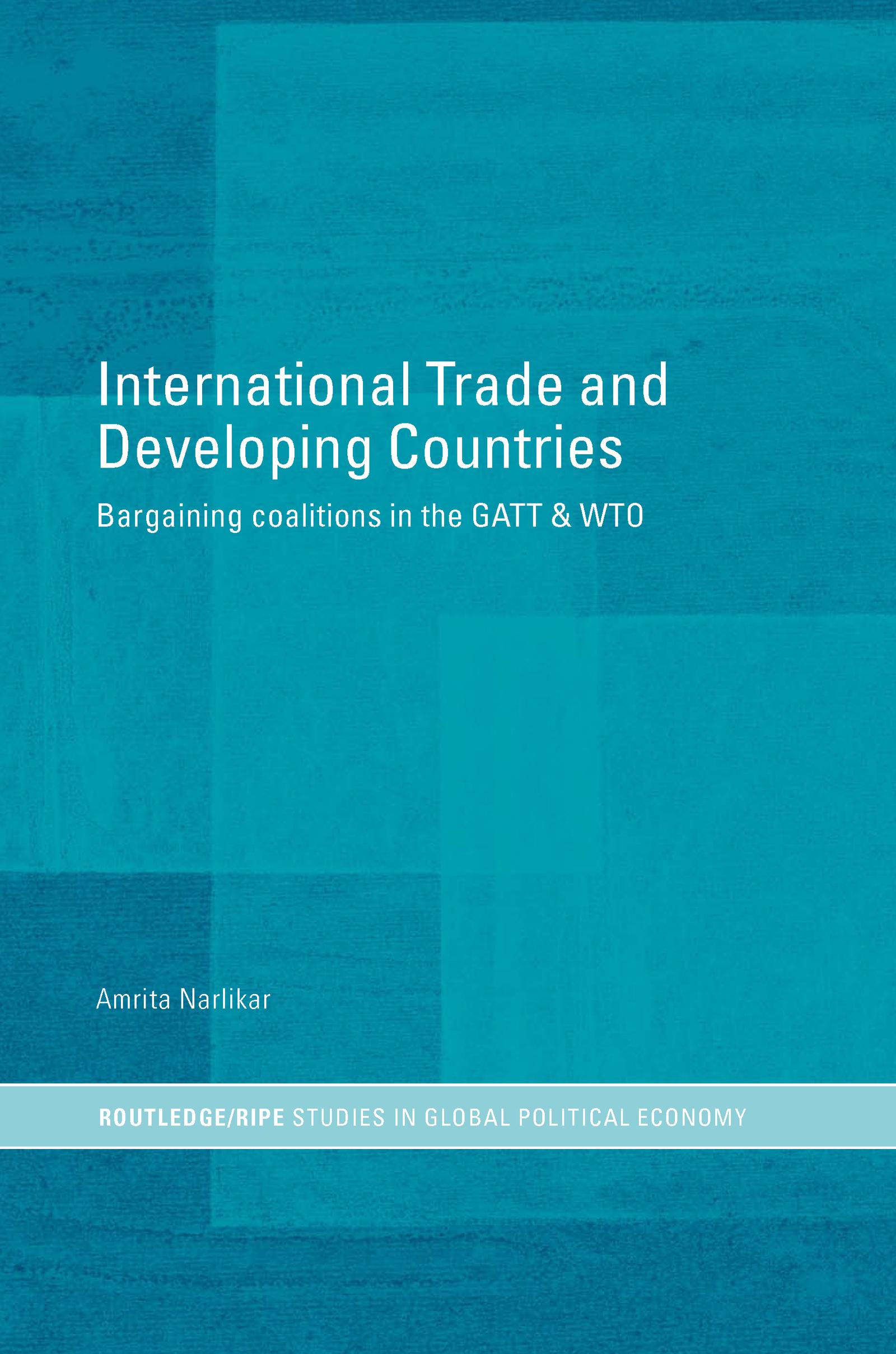
A keen analysis of how and why countries bargain together in groups in world affairs, and why such coalitions are crucial to individual developing nations. It also reveals the effects these negotiating blocs are having on world affairs.
Successful coalition building has proven to be a difficult and expensive process. Allies are often not obvious and need to be carefully identified. Large numbers do not necessarily entail a proportionate increase in influence. And the weak have the choice of teaming up against or jumping on the bandwagon with the strong. Even after it has been organised, collective action entails costs of many kinds.
This book investigates the relevance and workability of coalitions as instruments of bargaining power for the weak. More specifically, this analyzes the coalition strategies of developing countries at the inter-state level, particularly in the context of international trade.
Given the nature of this enquiry, this new study uses theoretical and empirical methods to complement each other. The theoretical approach draws from a plethora of writings: formal theories of clubs and coalitions, theories of domestic political economy and theories of international relations. The empirical analysis of comparable coalitions becomes necessary to assist in this theorising, so the greater part of the book focuses mainly (though not exclusively) on coalitions involving developing countries on the issue-area of trade in services. Through the case-studies of the Uruguay Round and an analytical overview of more recent coalitions, this text fills an important gap in the literature of international political economy and international relations where most GATT/WTO-based coalitions have eluded record.
This book will be of great interest to all students of international relations, politics and globalization.
Before Memmo my notes were scattered across PDFs. Now a workspace pulls everything into one place — I see exactly what's still left to study.
Memmo's summaries are gold before exams. I don't have to re-read 800 pages two weeks before — just the important parts.
The AI chat has saved me the night before an exam more than once. I just keep asking until I get it — no waiting on a study group to reply.
The quizzes hit exactly what I need to know. Memmo tracks what I get stuck on — so I only practice what's worth it.
Flashcards with spaced repetition are magic. Memmo knows when I'm about to forget something and brings it back.
The AI podcasts are my favorite. I listen on my way to school and get a recap without sitting at a computer.

Handbok i kvalitativa metoder
281 kr

Hållbar utveckling: en introduktion för ingenjörer och andra problemlösare
334 kr

Brymans Samhällsvetenskapliga metoder
390 kr

Projektledning
491 kr

Den orättvisa hälsan: om socioekonomiska skillnader i hälsa och livslängd
326 kr

Vetenskapsteori för nybörjare
196 kr

Organizational Leadership
429 kr

På väg mot läraryrket
172 kr

Det sociala livet i skolan: Socialpsykologiska perspektiv
253 kr

Betygsättningens didaktik
151 kr

Personality
402 kr

Studying Leadership
404 kr

Managing Innovation
477 kr

Introduktion till samhällsvetenskaplig metod
347 kr

The Psychology of Sex and Gender
698 kr

Evidens och kunskap för socialt arbete
207 kr

Introduction to Leadership
605 kr