
Before Memmo my notes were scattered across PDFs. Now a workspace pulls everything into one place — I see exactly what's still left to study.
Examines the widespread phenomenon of poor literacy skills in adults across the globe
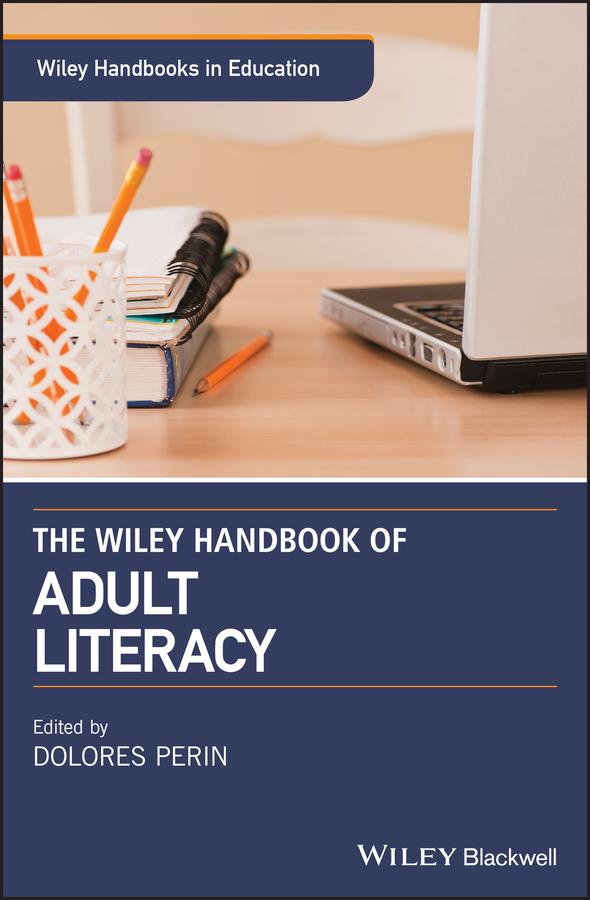
This handbook presents a wide range of research on adults who have low literacy skills. It looks at the cognitive, affective, and motivational factors underlying adult literacy; adult literacy in different countries; and the educational approaches being taken to help improve adults’ literacy skills. It includes not only adults enrolled in adult literacy programs, but postsecondary students with low literacy skills, some of whom have reading disabilities.
The first section of The Wiley Handbook of Adult Literacy covers issues such as phonological abilities in adults who have not yet learned to read; gender differences in the reading motivation of adults with low literacy skills; literacy skills, academic self-efficacy, and participation in prison education; and more. Chapters on adult literacy, social change and sociocultural factors in South Asia and in Ghana; literacy, numeracy, and self-rated health among U.S. adults; adult literacy programs in Southeastern Europe and Turkey, and a review of family and workplace literacy programs are among the topics featured in the second section. The last part examines how to teach reading and writing to adults with low skills; adults’ transition from secondary to postsecondary education; implications for policy, research, and practice in the adult education field; educational technologies that support reading comprehension; and more.
The Wiley Handbook of Adult Literacy is an excellent book for academic researchers, teacher educators, professional developers, program designers, and graduate students. It’s also beneficial to curriculum developers, adult basic education and developmental education instructors, and program administrators, as well as clinicians and counselors who provide services to adults with reading disabilities.
Before Memmo my notes were scattered across PDFs. Now a workspace pulls everything into one place — I see exactly what's still left to study.
Memmo's summaries are gold before exams. I don't have to re-read 800 pages two weeks before — just the important parts.
The AI chat has saved me the night before an exam more than once. I just keep asking until I get it — no waiting on a study group to reply.
The quizzes hit exactly what I need to know. Memmo tracks what I get stuck on — so I only practice what's worth it.
Flashcards with spaced repetition are magic. Memmo knows when I'm about to forget something and brings it back.
The AI podcasts are my favorite. I listen on my way to school and get a recap without sitting at a computer.

Handbok i kvalitativa metoder
281 kr

Hållbar utveckling: en introduktion för ingenjörer och andra problemlösare
334 kr

Brymans Samhällsvetenskapliga metoder
390 kr

Projektledning
491 kr

Den orättvisa hälsan: om socioekonomiska skillnader i hälsa och livslängd
326 kr

Vetenskapsteori för nybörjare
196 kr

Organizational Leadership
429 kr

På väg mot läraryrket
172 kr

Det sociala livet i skolan: Socialpsykologiska perspektiv
253 kr

Betygsättningens didaktik
151 kr

Personality
402 kr

Studying Leadership
404 kr

Managing Innovation
477 kr

Introduktion till samhällsvetenskaplig metod
347 kr

The Psychology of Sex and Gender
698 kr

Evidens och kunskap för socialt arbete
207 kr

Introduction to Leadership
605 kr