
Before Memmo my notes were scattered across PDFs. Now a workspace pulls everything into one place — I see exactly what's still left to study.
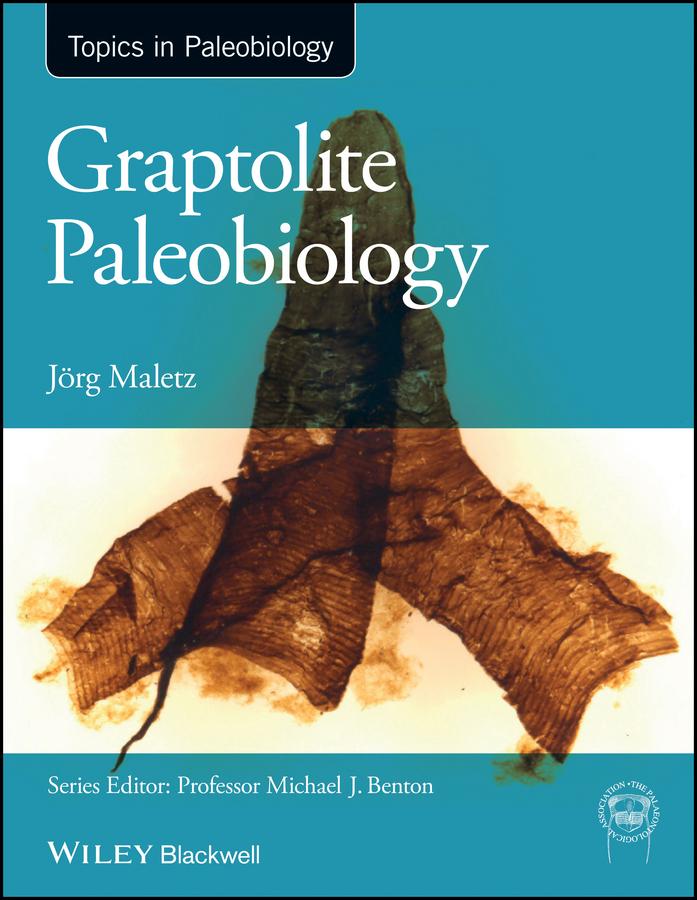
The graptolites constitute one of the geologically most useful taxonomic groups of fossils for dating rock successions, understanding paleobiogeography and reconstructing plate tectonic configurations in the Lower Palaeozoic. Graptolites were largely planktic, marine organisms, and as one of the first groups that explored the expanses of the world’s oceans are vital for understanding Palaeozoic ecology. They are the best and often the only fossil group for dating Lower Palaeozoic rock successions precisely. Thousands of taxa have been described from all over the planet and are used for a wide variety of geological and palaeontological (biological) research topics. The recent recognition of the modern pterobranch Rhabdopleura as a living benthic graptolite enables a much better understanding and interpretation of the fossil Graptolithina.
In the decades since the latest edition of the Graptolite Treatise, the enormous increase of knowledge on this group of organisms has never been synthesised in a compelling and coherent way, and information is scattered in scientific publications and difficult to sort through. This volume provides an up-to-date insight into research on graptolites. Such research has advanced considerably with the use of new methods of investigation and documentation. SEM investigation and research on ultrastructure of the tubaria has made it possible to compare extant and extinct taxa in much more detail. Cladistic interpretation of graptolite taxonomy and evolution has advanced the understanding of this group of organisms considerably in the last two decades, and has highlighted their importance in our understanding of evolutionary processes. This book will show graptolites, including their modern, living relatives, in a quite new and fascinating light, and will demonstrate the impact that the group has had on the evolution of the modern marine ecosystem.
This book is aimed not only at earth scientists but also at biologists, ecologists and oceanographers. It is a readable and comprehensible volume for students at the MSc level, while remaining accessible to undergraduates and non-specialists seeking up-to-date information about this fascinating topic in palaeobiology.
Before Memmo my notes were scattered across PDFs. Now a workspace pulls everything into one place — I see exactly what's still left to study.
Memmo's summaries are gold before exams. I don't have to re-read 800 pages two weeks before — just the important parts.
The AI chat has saved me the night before an exam more than once. I just keep asking until I get it — no waiting on a study group to reply.
The quizzes hit exactly what I need to know. Memmo tracks what I get stuck on — so I only practice what's worth it.
Flashcards with spaced repetition are magic. Memmo knows when I'm about to forget something and brings it back.
The AI podcasts are my favorite. I listen on my way to school and get a recap without sitting at a computer.

Handbok i kvalitativa metoder
281 kr

Hållbar utveckling: en introduktion för ingenjörer och andra problemlösare
334 kr

Brymans Samhällsvetenskapliga metoder
390 kr

Projektledning
491 kr

Den orättvisa hälsan: om socioekonomiska skillnader i hälsa och livslängd
326 kr

Vetenskapsteori för nybörjare
196 kr

Organizational Leadership
429 kr

På väg mot läraryrket
172 kr

Det sociala livet i skolan: Socialpsykologiska perspektiv
253 kr

Betygsättningens didaktik
151 kr

Personality
402 kr

Studying Leadership
404 kr

Managing Innovation
449 kr

Introduktion till samhällsvetenskaplig metod
347 kr

The Psychology of Sex and Gender
698 kr

Evidens och kunskap för socialt arbete
207 kr

Introduction to Leadership
605 kr