
Before Memmo my notes were scattered across PDFs. Now a workspace pulls everything into one place — I see exactly what's still left to study.
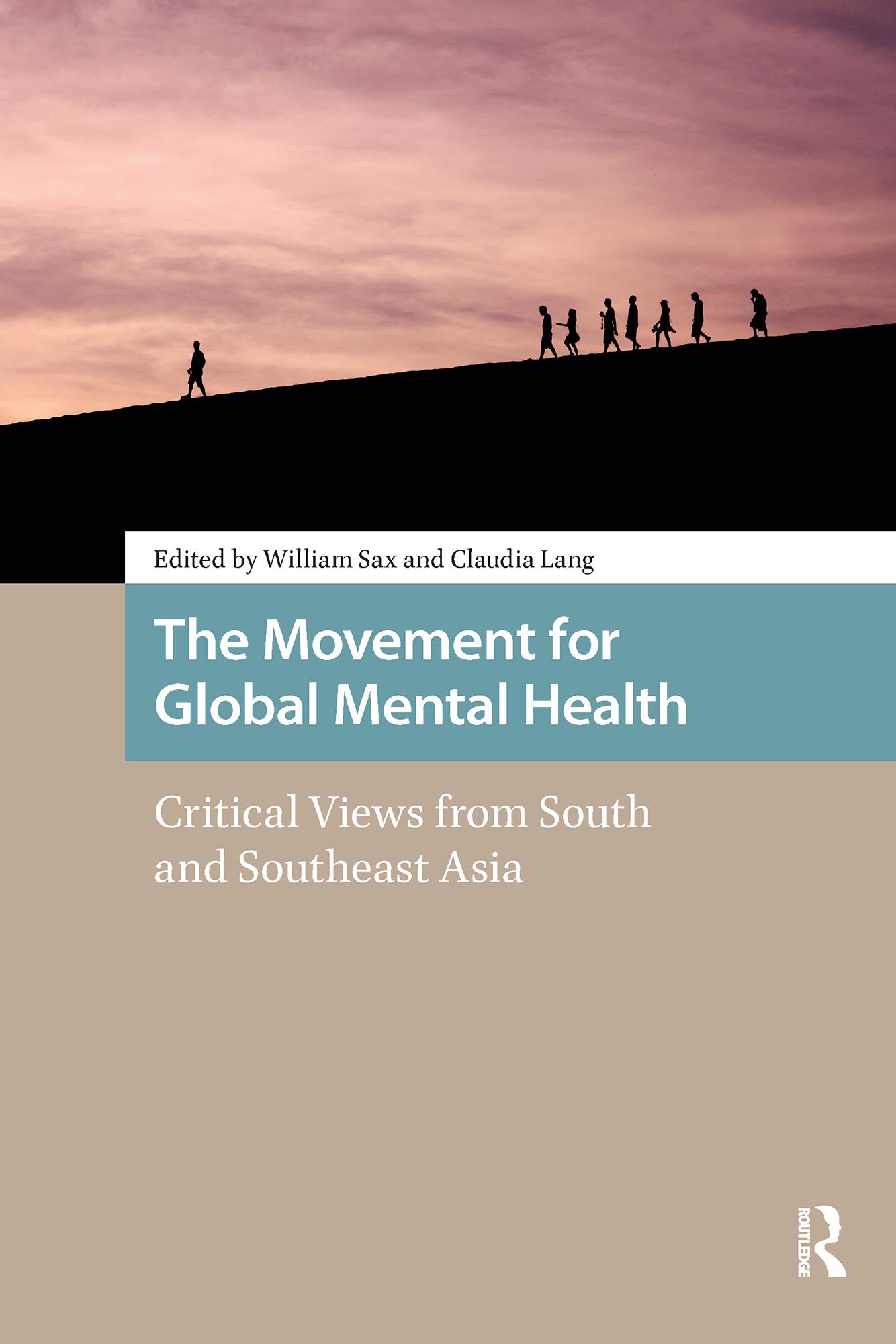
In The Movement for Global Mental Health: Critical Views from South and Southeast Asia, prominent anthropologists, public health physicians, and psychiatrists respond sympathetically but critically to the Movement for Global Mental Health (MGMH). They question some of its fundamental assumptions: the idea that mental disorders can clearly be identified; that they are primarily of biological origin; that the world is currently facing an epidemic of them; that the most appropriate treatments for them normally involve psycho-pharmaceutical drugs; and that local or indigenous therapies are of little interest or importance for treating them. The contributors argue that, on the contrary, defining mental disorders is difficult and culturally variable; that social and biographical factors are often important causes of them; that the epidemic of mental disorders may be an effect of new ways of measuring them; and that the countries of South and Southeast Asia have abundant, though non-psychiatric, resources for dealing with them. In short, they advocate a thoroughgoing mental health pluralism.|1. Introduction: Global Mental Health: Critical Views from South Asia and Beyond - William Sax and Claudia Lang,Critical Histories, 2. Mental Ills for All: Genealogies of Global Mental Health - Stefan Ecks, 3. Schizoid Balinese? Anthropology's Double-Bind: Radical Alterity and Its Consequences for Schizophrenia - Annette Hornbacher, 4. Misdiagnosis: Global Mental Health, Social Determinants of Health and Beyond - Anindya Das and Mohan Rao,The Limits of Global Mental Health, 5. Jinns and the Proletarian Mumin Subject: Exploring the Limits of Global Mental Health in Bangladesh - Projit Bihari Mukharji, 6. Psychedelic Therapy: Diplomatic Re-compositions of Life/Non-life, and the Living and the Dead - Harish Naraindas,Alternatives, 7. The House of Love and the Mental Hospital: Zones of Care and Recovery in South India - Murphy Halliburton, 8. Ayurvedic Psychiatry and the Moral Physiology of Depression in Kerala - Claudia Lang, 9. Global Mental Therapy - William Sax,Afterwords, 10. Afterword - Johannes Quack, 11. 'Treatment' and Why We Need Alternatives: An Autoethnographic Reflection on Psychiatric Incarceration in India Anonymous, Index.|1. The contributors are leading figures from a variety of disciplines 2. The essays take a sympathetic but critical view of MGMH 3. The book takes a particular geographical point of view: from South and Southeast Asia.
Before Memmo my notes were scattered across PDFs. Now a workspace pulls everything into one place — I see exactly what's still left to study.
Memmo's summaries are gold before exams. I don't have to re-read 800 pages two weeks before — just the important parts.
The AI chat has saved me the night before an exam more than once. I just keep asking until I get it — no waiting on a study group to reply.
The quizzes hit exactly what I need to know. Memmo tracks what I get stuck on — so I only practice what's worth it.
Flashcards with spaced repetition are magic. Memmo knows when I'm about to forget something and brings it back.
The AI podcasts are my favorite. I listen on my way to school and get a recap without sitting at a computer.

Handbok i kvalitativa metoder
281 kr

Hållbar utveckling: en introduktion för ingenjörer och andra problemlösare
334 kr

Brymans Samhällsvetenskapliga metoder
390 kr

Projektledning
491 kr

Den orättvisa hälsan: om socioekonomiska skillnader i hälsa och livslängd
326 kr

Vetenskapsteori för nybörjare
196 kr

Organizational Leadership
429 kr

På väg mot läraryrket
172 kr

Det sociala livet i skolan: Socialpsykologiska perspektiv
253 kr

Betygsättningens didaktik
151 kr

Personality
402 kr

Studying Leadership
404 kr

Managing Innovation
477 kr

Introduktion till samhällsvetenskaplig metod
347 kr

The Psychology of Sex and Gender
698 kr

Evidens och kunskap för socialt arbete
207 kr

Introduction to Leadership
605 kr