
Before Memmo my notes were scattered across PDFs. Now a workspace pulls everything into one place — I see exactly what's still left to study.
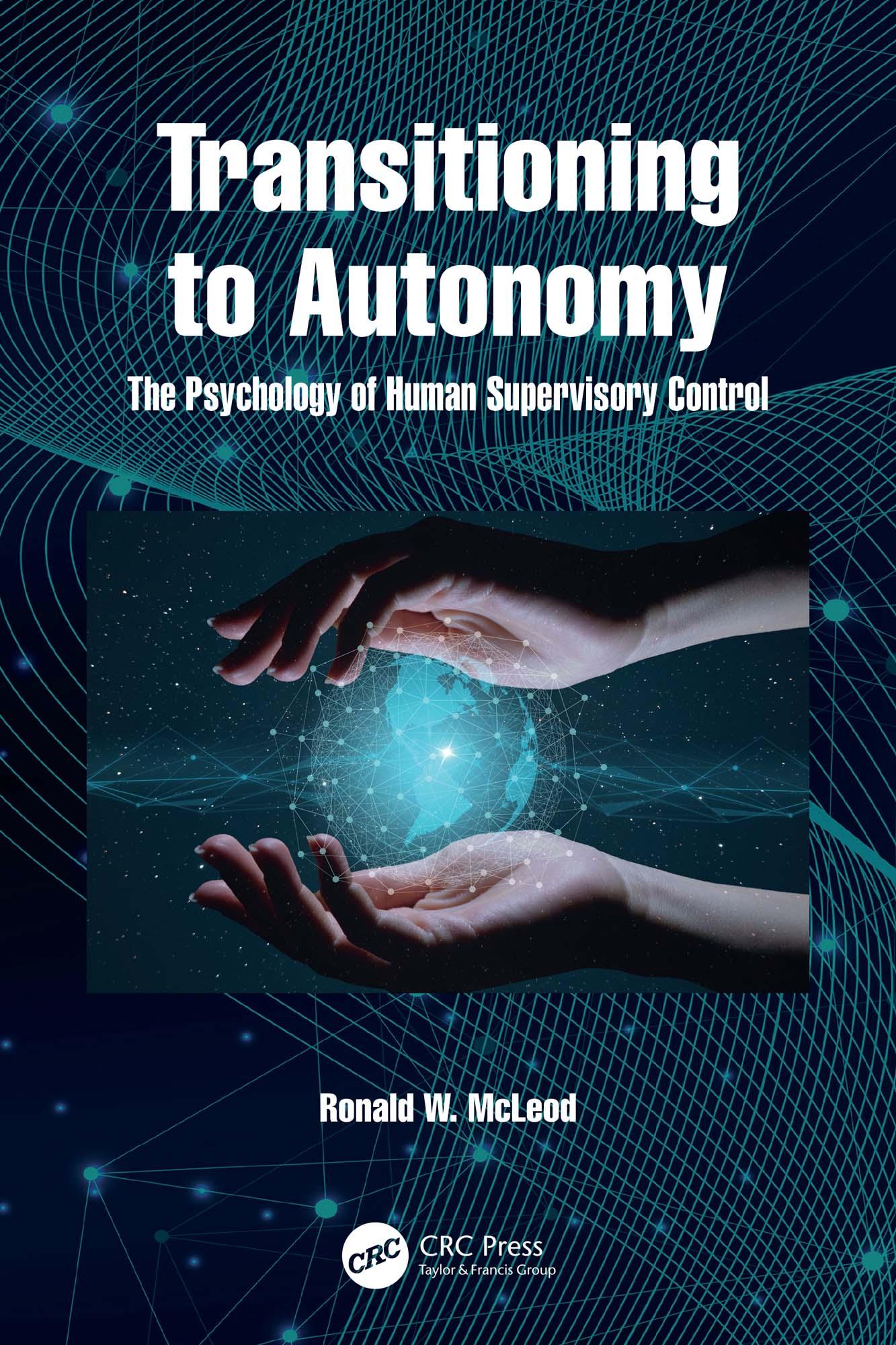
Whenever automation is introduced to control real-time activities or processes, the role of the human changes from being a manual controller to being a supervisory controller. Whether the activity is the control of vehicles industrial processes, or is in defence, healthcare, or elsewhere, the work performed by the people who are expected to monitor and supervise the automation places new demands on their attention, perception and cognition. Those demands can be significant and challenging and this book aims to address that.
Transitioning to Autonomy: The Psychology of Human Supervisory Control focuses on the transition period when automation is being introduced, and the human needs to learn and develop the competence to perform their new role effectively. The first Part extracts general lessons from the author’s experience taking ownership of a new car which, under certain circumstances, was capable of driving autonomously. Part 2 explores the psychology behind the lessons extracted in Part 1 and proposes a comprehensive model of human supervisory control. The final Part focuses on six principal risks associated with human supervisory control and examines how the expectation that people will be proactive in monitoring for threats to the automation’s performance is often relied on as a defence, or “Barrier”, against serious adverse events. The core benefit for the reader is a deeper understanding of what it takes, cognitively, emotionally, and organisationally, to ensure safe and effective human oversight in the age of automation. It aims to give the reader the lowdown on delivering safer systems.
The book is for managers, engineers, safety professionals and those from other technical disciplines who have responsibility for the design, development and/or assurance of products that automate the control of real-time activities; it’s for regulators and others responsible for setting policy and ensuring products automating real-time activities are safe; and it’s for Human Factors and other professionals who need to understand and develop competence in aspects of the psychology associated with automated systems.
Before Memmo my notes were scattered across PDFs. Now a workspace pulls everything into one place — I see exactly what's still left to study.
Memmo's summaries are gold before exams. I don't have to re-read 800 pages two weeks before — just the important parts.
The AI chat has saved me the night before an exam more than once. I just keep asking until I get it — no waiting on a study group to reply.
The quizzes hit exactly what I need to know. Memmo tracks what I get stuck on — so I only practice what's worth it.
Flashcards with spaced repetition are magic. Memmo knows when I'm about to forget something and brings it back.
The AI podcasts are my favorite. I listen on my way to school and get a recap without sitting at a computer.

Handbok i kvalitativa metoder
281 kr

Hållbar utveckling: en introduktion för ingenjörer och andra problemlösare
334 kr

Brymans Samhällsvetenskapliga metoder
390 kr

Projektledning
491 kr

Den orättvisa hälsan: om socioekonomiska skillnader i hälsa och livslängd
326 kr

Vetenskapsteori för nybörjare
196 kr

Organizational Leadership
429 kr

På väg mot läraryrket
172 kr

Det sociala livet i skolan: Socialpsykologiska perspektiv
253 kr

Betygsättningens didaktik
151 kr

Personality
402 kr

Studying Leadership
404 kr

Managing Innovation
477 kr

Introduktion till samhällsvetenskaplig metod
347 kr

The Psychology of Sex and Gender
698 kr

Evidens och kunskap för socialt arbete
207 kr

Introduction to Leadership
605 kr