
Before Memmo my notes were scattered across PDFs. Now a workspace pulls everything into one place — I see exactly what's still left to study.
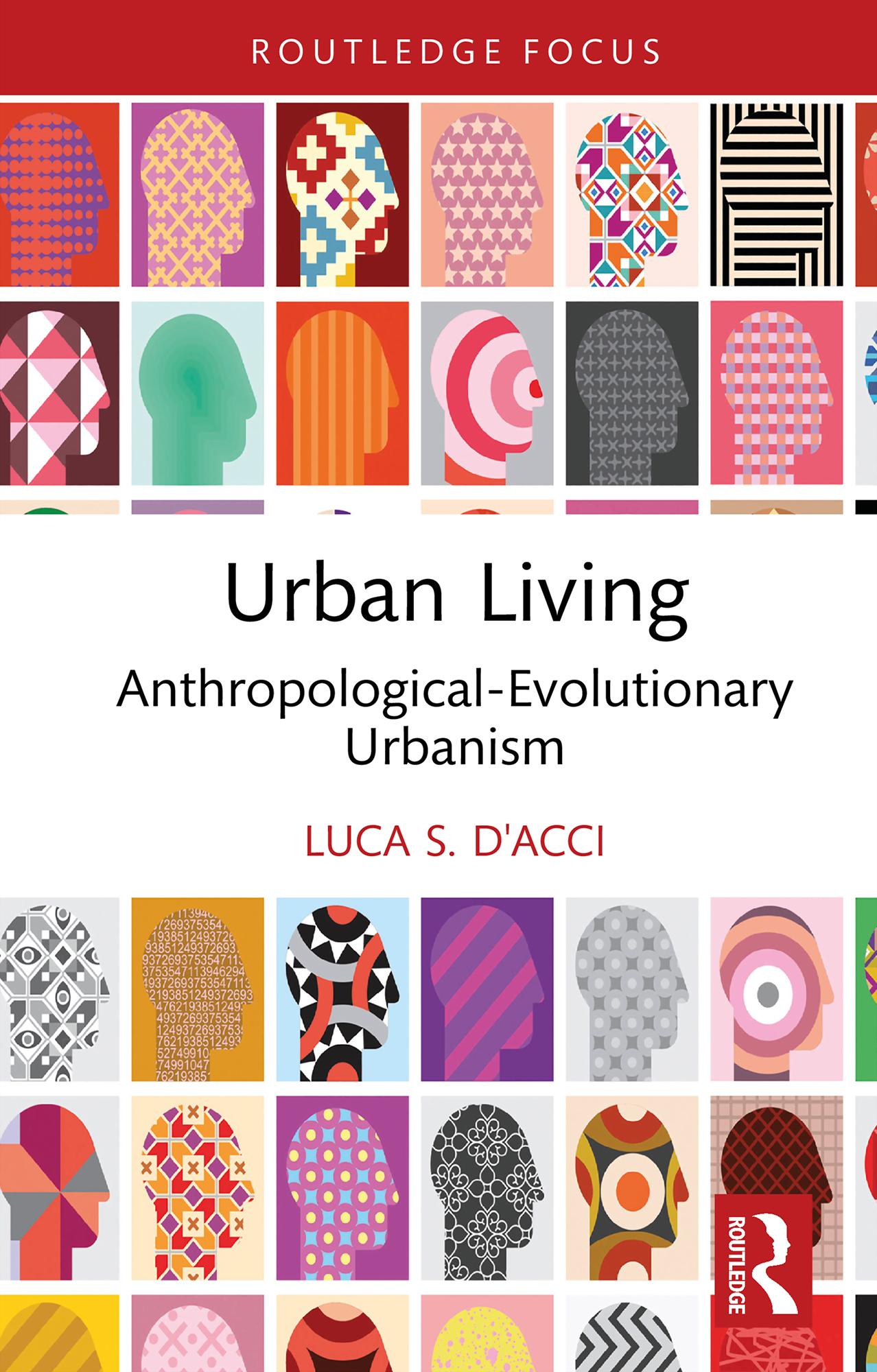
This interdisciplinary book lays the foundations for a new critique of human societies examining how humans, as a species, are suited to live across the rural-urban spectrum. It proposes a new perspective for urban studies, ultimately centred on human nature. Evolutionary perspectives are at the core of the book and are linked to other disciplines such as economic geography, sociology, anthropology, geographical psychology, environmental psychology, genetics, and ontogenetics.
The book summarises the academic state of the art of the various fields under discussion, each expressing its own angle which, when holistically presented in the same volume, enriches the integrated understanding of such a multilayered theme. The timing of this book is critical: today, more than ever, we live in urban environments of some description or other and, within the coming decades, large numbers of new dwellers will "choose" cities as their permanent place of residence. For this reason, the author argues that urban planning and design must embrace this unique opportunity to build ex-novo urban and non-urban settlements for billions of people in liveable ways. The interdisciplinary approach brings together the study and understanding of cities from diverse disciplines.
This topical work therefore offers the reader a new understanding of how – and tentatively, why – living in cities affects humans for better or worse. It indirectly underlines the importance of smaller settlements based on empirical evidence, without necessarily having to escape from the big city, which instead could become more attractive if wisely planned and integrated in the larger multivariate territory. The author provides educated insights for policy and planning, inducing habitats which could be optimal for our wellbeing and progress.
Luca S. D'Acci is Associate Professor at the Polytechnic of Turin (DIST), Honorary Fellow at the University of Birmingham (EPS), and Partner (Visiting Professor) at the Erasmus University of Rotterdam (EHERO).
Before Memmo my notes were scattered across PDFs. Now a workspace pulls everything into one place — I see exactly what's still left to study.
Memmo's summaries are gold before exams. I don't have to re-read 800 pages two weeks before — just the important parts.
The AI chat has saved me the night before an exam more than once. I just keep asking until I get it — no waiting on a study group to reply.
The quizzes hit exactly what I need to know. Memmo tracks what I get stuck on — so I only practice what's worth it.
Flashcards with spaced repetition are magic. Memmo knows when I'm about to forget something and brings it back.
The AI podcasts are my favorite. I listen on my way to school and get a recap without sitting at a computer.

Handbok i kvalitativa metoder
281 kr

Hållbar utveckling: en introduktion för ingenjörer och andra problemlösare
334 kr

Brymans Samhällsvetenskapliga metoder
390 kr

Projektledning
491 kr

Den orättvisa hälsan: om socioekonomiska skillnader i hälsa och livslängd
326 kr

Vetenskapsteori för nybörjare
196 kr

Organizational Leadership
429 kr

På väg mot läraryrket
172 kr

Det sociala livet i skolan: Socialpsykologiska perspektiv
253 kr

Betygsättningens didaktik
151 kr

Personality
402 kr

Studying Leadership
404 kr

Managing Innovation
477 kr

Introduktion till samhällsvetenskaplig metod
347 kr

The Psychology of Sex and Gender
698 kr

Evidens och kunskap för socialt arbete
207 kr

Introduction to Leadership
605 kr