
Before Memmo my notes were scattered across PDFs. Now a workspace pulls everything into one place — I see exactly what's still left to study.
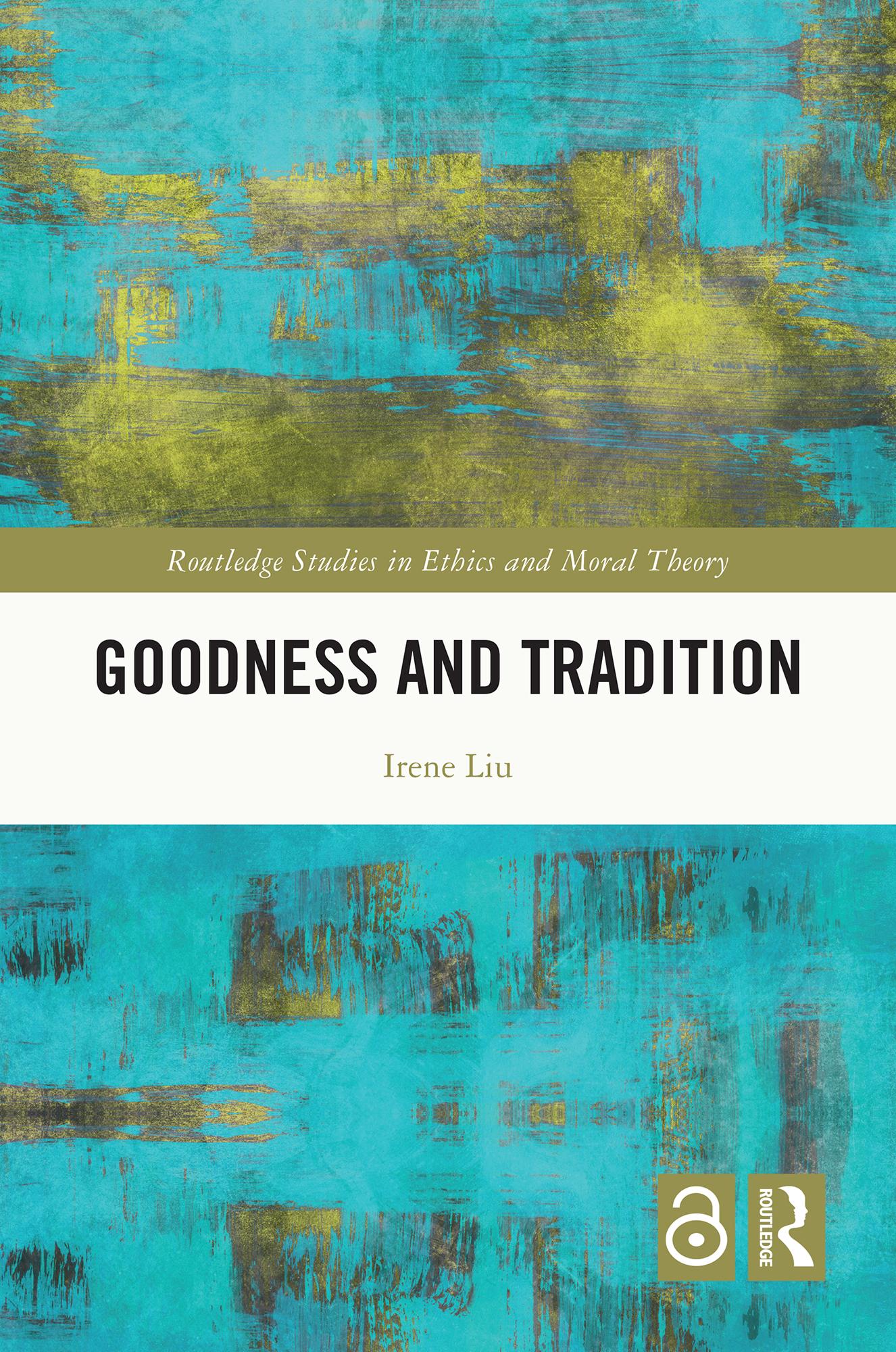
This book investigates the importance of spirituality in moral life. The author claims that modern secular morality suffers from a lack of spirituality and argues that a solution to this problem can be found in tradition.
Over several centuries, a process of secularization has loosened both the hold and the appeal of religion in the West. Morality did not dissipate, as many feared it would. This book is motivated by the idea that, nevertheless, something important was lost along the way. Arguing that a lack of spirituality has weakened secular moral life, the author seeks to identify an alternative source of spirituality that is not divine or supernatural. To this end, she considers three perspectives that offer potential sources of secular spirituality: Aristotelian humanism, which emphasizes nature; existentialist humanism, which emphasizes freedom and choice; and Confucian humanism, which emphasizes rituals. The author ultimately defends the view that traditions are intrinsically good as creations that elevate human nature through their customs, practices, and institutions. Further, she argues that the initiation into tradition is necessary to bring a person into the “space of reasons,” which encompasses both moral and non-moral values. In consequence, traditions are appropriate objects of existential gratitude, which some theists hold to be the foundation of religious experience. Thus, it is possible to infuse secular moral life with spirituality by reawakening a love for the traditions in which it is already embedded.
Goodness and Tradition will appeal to scholars and graduate students in ethics, metaethics, and moral psychology who are interested in questions of moral motivation and experience. It will also appeal to those who are interested in the role of religion in moral life, as well as philosophers who are interested in comparative approaches to Western and Chinese thought.
Before Memmo my notes were scattered across PDFs. Now a workspace pulls everything into one place — I see exactly what's still left to study.
Memmo's summaries are gold before exams. I don't have to re-read 800 pages two weeks before — just the important parts.
The AI chat has saved me the night before an exam more than once. I just keep asking until I get it — no waiting on a study group to reply.
The quizzes hit exactly what I need to know. Memmo tracks what I get stuck on — so I only practice what's worth it.
Flashcards with spaced repetition are magic. Memmo knows when I'm about to forget something and brings it back.
The AI podcasts are my favorite. I listen on my way to school and get a recap without sitting at a computer.

Handbok i kvalitativa metoder
281 kr

Hållbar utveckling: en introduktion för ingenjörer och andra problemlösare
334 kr

Brymans Samhällsvetenskapliga metoder
390 kr

Projektledning
491 kr

Den orättvisa hälsan: om socioekonomiska skillnader i hälsa och livslängd
326 kr

Vetenskapsteori för nybörjare
196 kr

Organizational Leadership
429 kr

På väg mot läraryrket
172 kr

Det sociala livet i skolan: Socialpsykologiska perspektiv
253 kr

Betygsättningens didaktik
151 kr

Personality
402 kr

Studying Leadership
404 kr

Managing Innovation
477 kr

Introduktion till samhällsvetenskaplig metod
347 kr

The Psychology of Sex and Gender
698 kr

Evidens och kunskap för socialt arbete
207 kr

Introduction to Leadership
605 kr