
Before Memmo my notes were scattered across PDFs. Now a workspace pulls everything into one place — I see exactly what's still left to study.
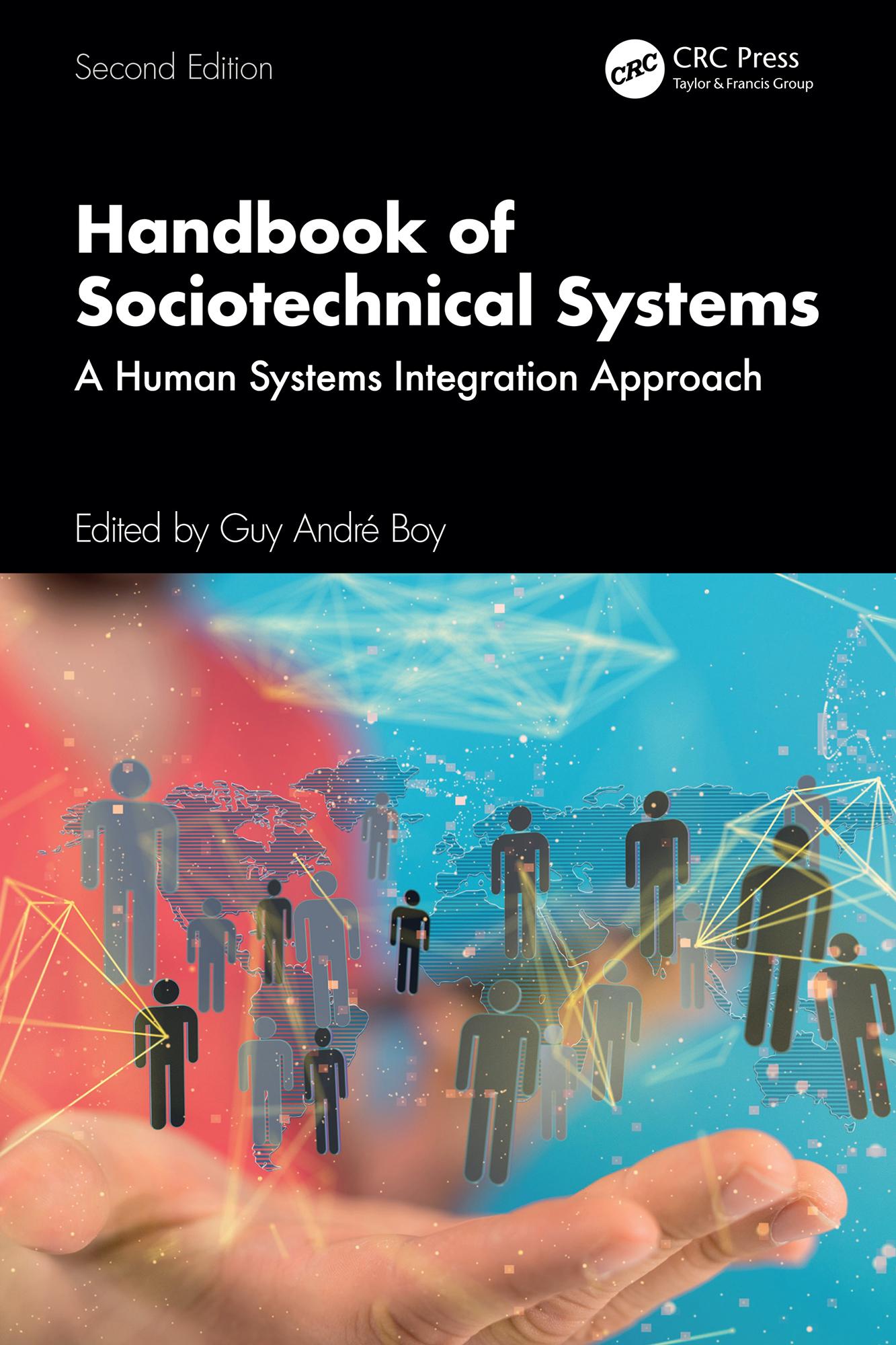
This handbook presents a bold rethinking of Human Systems Integration (HSI) within Sociotechnical Systems (STSs), capturing the shift from traditional human-machine interaction to a dynamic, multi-agent systems approach. Drawing from various disciplines, including human factors, ergonomics, systems engineering, and artificial intelligence, the handbook explores the integration of technology, organizations, and people in increasingly complex and digitalized environments. The evolution reflected in these pages aligns with broader societal trends, from the rise of digital engineering and virtual prototyping to the growing necessity for holistic, context-aware design in life-critical domains.
Fully updated, this new edition provides the tools and perspectives to shape resilient, intelligent, and human-compatible systems. As a comprehensive and reorganized reference spanning 14 sections and 45 chapters authored by leading experts from diverse fields, the handbook explores models, methods, and real-world applications that support the design, development, and management of complex STSs. Key topics include human-autonomy teaming, performance support, scenario-based design, organizational maturity, and the crucial role of tangibility in digital systems. For professionals focused on AI integration, safety assurance, or enhancing user experience across system lifecycles, the resource offers actionable insights and proven frameworks to meet the challenges of modern system complexity. Readers gain a thorough, helicopter view of HSI and STSs in various usable contexts.
Handbook of Sociotechnical Systems: A Human Systems Integration Approach, Second Edition is an essential resource for engineers, designers, researchers, policymakers, practitioners, and educators who work with people, technology, and organizations. The content proves especially valuable for those involved in high-stakes, high-complexity environments such as aerospace, defense, healthcare, energy, and public systems.
Before Memmo my notes were scattered across PDFs. Now a workspace pulls everything into one place — I see exactly what's still left to study.
Memmo's summaries are gold before exams. I don't have to re-read 800 pages two weeks before — just the important parts.
The AI chat has saved me the night before an exam more than once. I just keep asking until I get it — no waiting on a study group to reply.
The quizzes hit exactly what I need to know. Memmo tracks what I get stuck on — so I only practice what's worth it.
Flashcards with spaced repetition are magic. Memmo knows when I'm about to forget something and brings it back.
The AI podcasts are my favorite. I listen on my way to school and get a recap without sitting at a computer.

Handbok i kvalitativa metoder
281 kr

Hållbar utveckling: en introduktion för ingenjörer och andra problemlösare
334 kr

Brymans Samhällsvetenskapliga metoder
390 kr

Projektledning
491 kr

Den orättvisa hälsan: om socioekonomiska skillnader i hälsa och livslängd
326 kr

Vetenskapsteori för nybörjare
196 kr

Organizational Leadership
429 kr

På väg mot läraryrket
172 kr

Det sociala livet i skolan: Socialpsykologiska perspektiv
253 kr

Betygsättningens didaktik
151 kr

Personality
402 kr

Studying Leadership
404 kr

Managing Innovation
477 kr

Introduktion till samhällsvetenskaplig metod
347 kr

The Psychology of Sex and Gender
698 kr

Evidens och kunskap för socialt arbete
207 kr

Introduction to Leadership
605 kr