
Before Memmo my notes were scattered across PDFs. Now a workspace pulls everything into one place — I see exactly what's still left to study.
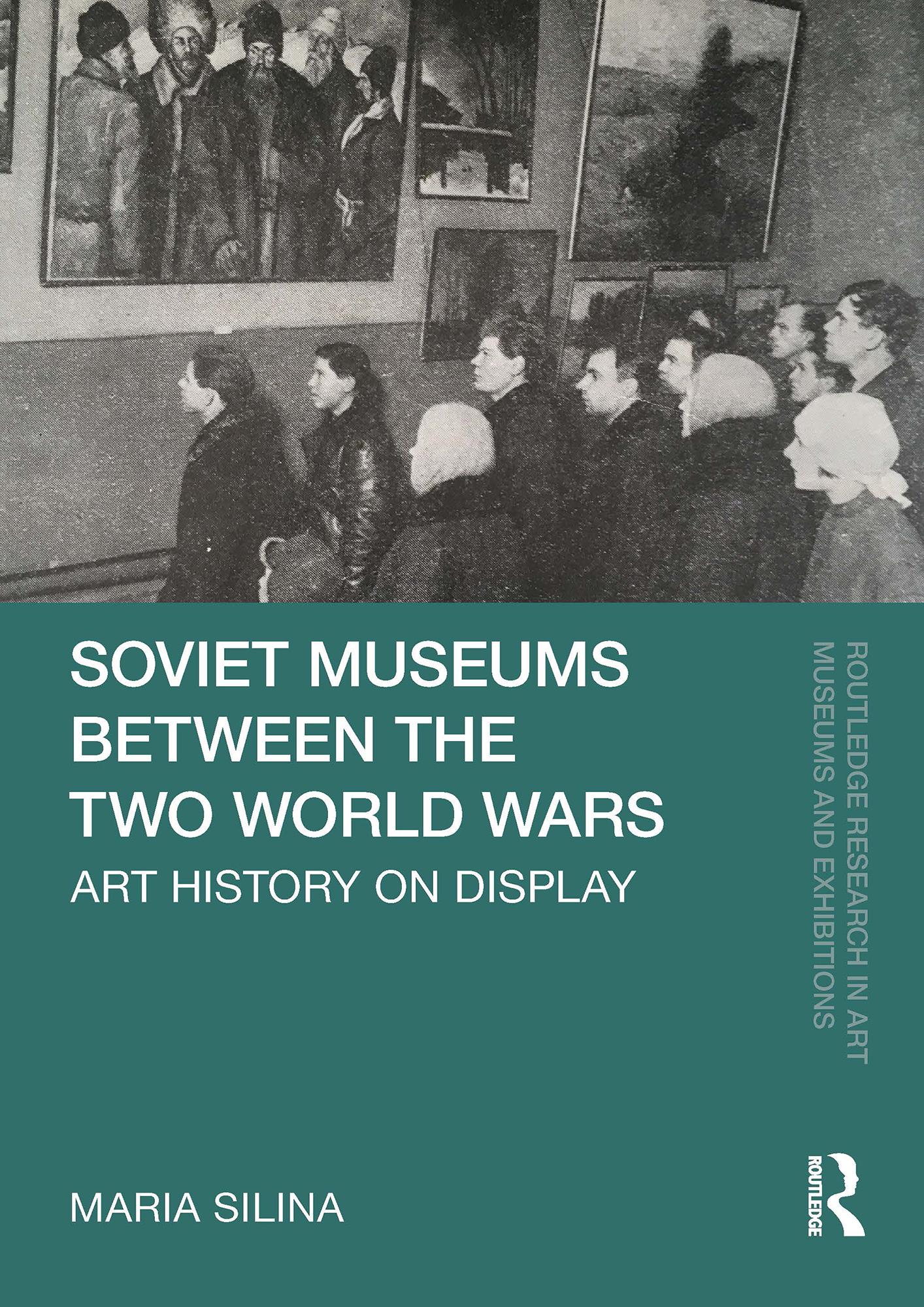
Examining the history of Soviet museums in the 1920s and 1930s, this book engages with the core problem of interwar museology: adequately representing the historical development of art to create a plausible and coherent version of its evolution.
The book critically analyzes the evolution of museology and art history during a period recognized as a crisis point for museums, characterized by the ascent of the modernist museum and the decline of previous museum representation forms such as universal collections and period rooms. Building on the concept of museums as agents of cultural diplomacy and soft power, the book considers museums as spaces where negotiations, often unsuccessful occur among various stakeholders: museum practitioners, authorities, private collectors, auction houses, and the public. The challenge of handling millions of nationalized objects since the 1917 Revolution posed a particularly complex issue for Socialist museums, necessitating accumulation, distribution, and display. It also proposes a historical account of the establishment of Soviet art departments in the mid-1930s, serving as showcases for Socialist realism. This composition was subsequently replicated across the country and throughout the Communist bloc.
This book is ideal reading for researchers in History of Art, Museum Studies, Soviet Studies, Eastern European Studies and 20th Century History.
Before Memmo my notes were scattered across PDFs. Now a workspace pulls everything into one place — I see exactly what's still left to study.
Memmo's summaries are gold before exams. I don't have to re-read 800 pages two weeks before — just the important parts.
The AI chat has saved me the night before an exam more than once. I just keep asking until I get it — no waiting on a study group to reply.
The quizzes hit exactly what I need to know. Memmo tracks what I get stuck on — so I only practice what's worth it.
Flashcards with spaced repetition are magic. Memmo knows when I'm about to forget something and brings it back.
The AI podcasts are my favorite. I listen on my way to school and get a recap without sitting at a computer.

Handbok i kvalitativa metoder
281 kr

Hållbar utveckling: en introduktion för ingenjörer och andra problemlösare
334 kr

Brymans Samhällsvetenskapliga metoder
390 kr

Projektledning
491 kr

Den orättvisa hälsan: om socioekonomiska skillnader i hälsa och livslängd
326 kr

Organizational Leadership
429 kr

Vetenskapsteori för nybörjare
196 kr

På väg mot läraryrket
172 kr

Det sociala livet i skolan: Socialpsykologiska perspektiv
253 kr

Betygsättningens didaktik
151 kr

Personality
402 kr

Studying Leadership
404 kr

Managing Innovation
477 kr

Introduktion till samhällsvetenskaplig metod
347 kr

The Psychology of Sex and Gender
698 kr

Evidens och kunskap för socialt arbete
207 kr

Introduction to Leadership
605 kr