
Before Memmo my notes were scattered across PDFs. Now a workspace pulls everything into one place — I see exactly what's still left to study.
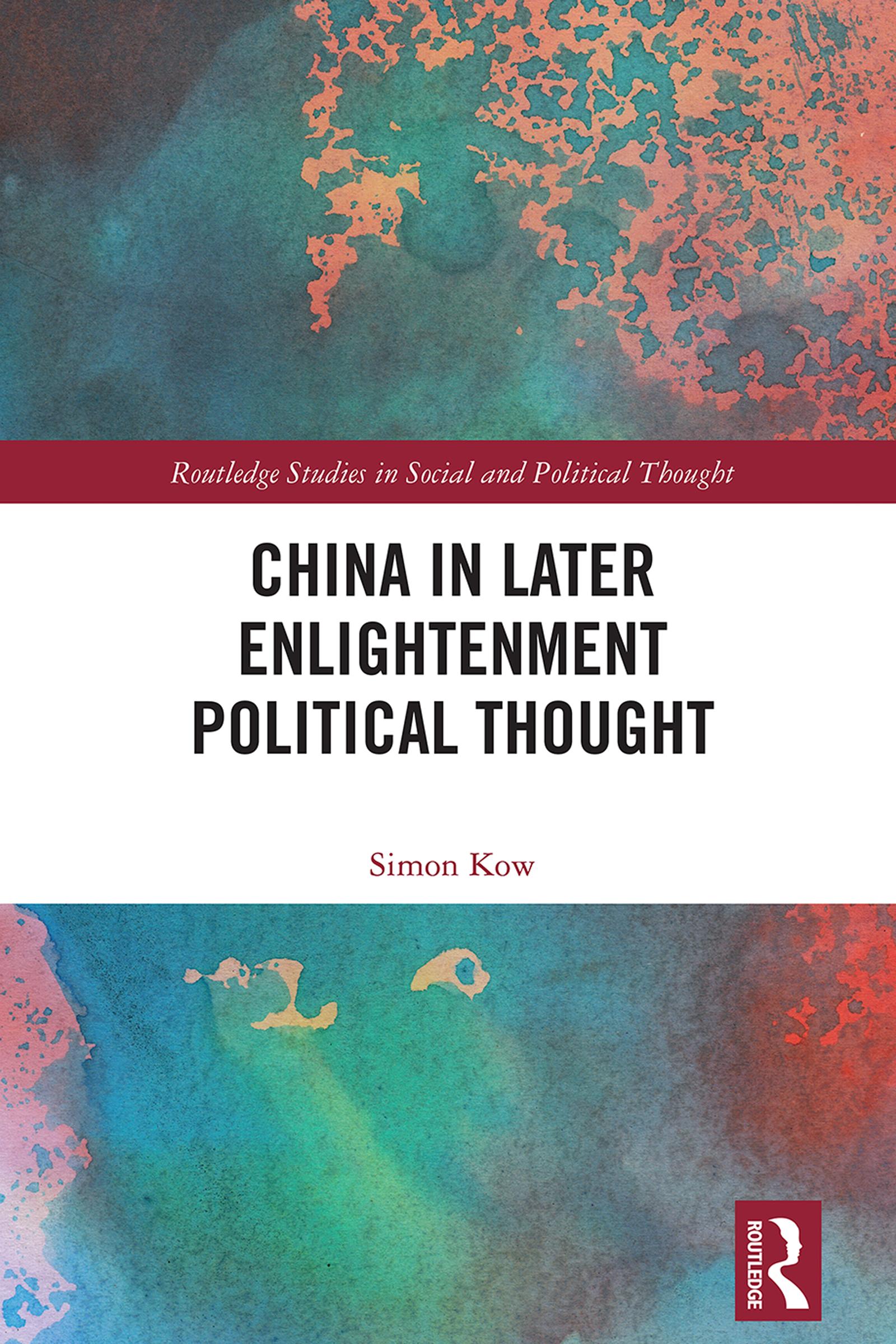
China in Later Enlightenment Political Thought examines the ideas of China in the works of mid- to late-eighteenth century European Enlightenment political thinkers.
Like its predecessor volume, China in Early Enlightenment Political Thought, this book is distinctive in providing in-depth comparative analyses of works by seminal late Enlightenment thinkers that specifically link their views on China to their political concerns. It traces the shifts between metaphysical, naturalistic, economic, technological, cultural, idealist, and materialist accounts, and philosophical histories of Chinese politics, society, and culture. It argues that, unlike earlier thinkers, most of the later Enlightenment authors assessed in this book—including Christian Wolff, Voltaire, François Quesnay, Adam Smith, contributors to the Encylopédie, Abbé Raynal, Denis Diderot, and Johann Gottfried Herder—developed conceptions of history which increasingly depicted China as unprogressive and even stagnant. Even later Enlightenment enthusiasts of China such as Voltaire were deeply ambivalent about the lessons European societies could draw from China when viewed in relation to progressive visions of world history. The book also discusses the ways in which later Enlightenment theorists who were critical of aspects of European imperialism, especially Diderot and Herder, nevertheless regarded China as backward and despotic and concludes with the influence of Enlightenment conceptions of China on the philosophies of G.W.F. Hegel and Karl Marx, as well as Mao Zedong’s reappropriation of post-Enlightenment philosophy of history.
This book will appeal to scholars and advanced students of Chinese history, Chinese philosophy, Chinese politics, and political philosophy more generally.
Before Memmo my notes were scattered across PDFs. Now a workspace pulls everything into one place — I see exactly what's still left to study.
Memmo's summaries are gold before exams. I don't have to re-read 800 pages two weeks before — just the important parts.
The AI chat has saved me the night before an exam more than once. I just keep asking until I get it — no waiting on a study group to reply.
The quizzes hit exactly what I need to know. Memmo tracks what I get stuck on — so I only practice what's worth it.
Flashcards with spaced repetition are magic. Memmo knows when I'm about to forget something and brings it back.
The AI podcasts are my favorite. I listen on my way to school and get a recap without sitting at a computer.

Handbok i kvalitativa metoder
281 kr

Hållbar utveckling: en introduktion för ingenjörer och andra problemlösare
334 kr

Brymans Samhällsvetenskapliga metoder
390 kr

Projektledning
491 kr

Den orättvisa hälsan: om socioekonomiska skillnader i hälsa och livslängd
326 kr

Vetenskapsteori för nybörjare
196 kr

Organizational Leadership
429 kr

På väg mot läraryrket
172 kr

Det sociala livet i skolan: Socialpsykologiska perspektiv
253 kr

Betygsättningens didaktik
151 kr

Personality
402 kr

Studying Leadership
404 kr

Managing Innovation
477 kr

Introduktion till samhällsvetenskaplig metod
347 kr

The Psychology of Sex and Gender
698 kr

Evidens och kunskap för socialt arbete
207 kr

Introduction to Leadership
605 kr