
Before Memmo my notes were scattered across PDFs. Now a workspace pulls everything into one place — I see exactly what's still left to study.
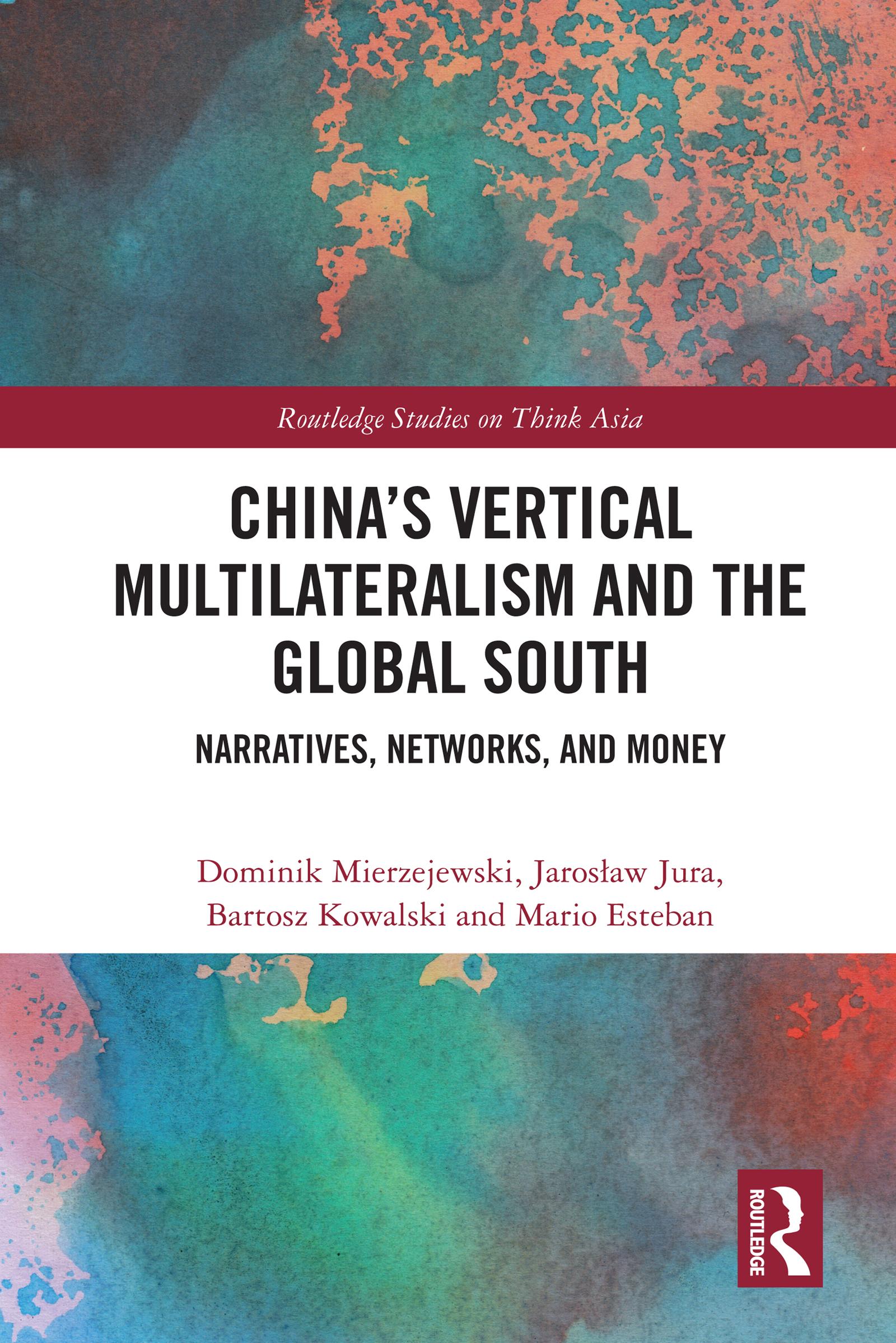
This book provides an in-depth analysis of China-led multilateralism and decodes China’s narratives, and political and business practices, both from theoretical and practical dimensions.
Introducing the mechanisms that govern China-led multilateral formats in what China sees as the Global South, the study offers a comparative analysis and checks whether China uses a one-size-fits-all strategy towards the selected case study formats and adopts a more differentiated regional approach. The case studies cover the following China-led multilateral formats: China-ASEAN, Forum on China-Africa Cooperation (FOCAC), China-Central and Eastern Europe, and China-CELAC. The authors introduce four primary practices of China’s management of relations within these platforms: executing discursive power, cultivating elite diplomacy, influencing public opinion, and navigating economic interactions to illustrate the bilateral and informal nature of China-led multilateralism practices. They argue that the bilateral approach is driven by China’s will to keep its paramount position within the formats and its pursuit to exploit the divisions among countries in these formats. Moreover, China’s relations with the Global South community are governed by informal networks that give the impression of non-interference and position China as the principal power due to these relationships’ inherent asymmetry. Cognizant of bilateral and informal drivers of China’s multilateral practices, the book compares China’s relations with selected case studies of countries under the multilateral umbrella: Brazil, Cambodia, Chile, Kenya, Poland, Serbia, South Africa and Thailand. It considers the growing tensions between China and the West surrounding the crisis of the COVID-19 pandemic, the centralisation of power in China and the Russian war in Ukraine.
Shedding light on China's policies and practices on bilateral and multilateral levels, this book will be of interest to researchers studying International Relations, Asian Politics, the politics of the Global South and Chinese Studies.
Before Memmo my notes were scattered across PDFs. Now a workspace pulls everything into one place — I see exactly what's still left to study.
Memmo's summaries are gold before exams. I don't have to re-read 800 pages two weeks before — just the important parts.
The AI chat has saved me the night before an exam more than once. I just keep asking until I get it — no waiting on a study group to reply.
The quizzes hit exactly what I need to know. Memmo tracks what I get stuck on — so I only practice what's worth it.
Flashcards with spaced repetition are magic. Memmo knows when I'm about to forget something and brings it back.
The AI podcasts are my favorite. I listen on my way to school and get a recap without sitting at a computer.

Handbok i kvalitativa metoder
281 kr

Hållbar utveckling: en introduktion för ingenjörer och andra problemlösare
334 kr

Brymans Samhällsvetenskapliga metoder
390 kr

Projektledning
491 kr

Den orättvisa hälsan: om socioekonomiska skillnader i hälsa och livslängd
326 kr

Organizational Leadership
429 kr

Vetenskapsteori för nybörjare
196 kr

På väg mot läraryrket
172 kr

Det sociala livet i skolan: Socialpsykologiska perspektiv
253 kr

Betygsättningens didaktik
151 kr

Personality
402 kr

Studying Leadership
404 kr

Managing Innovation
477 kr

Introduktion till samhällsvetenskaplig metod
347 kr

The Psychology of Sex and Gender
698 kr

Evidens och kunskap för socialt arbete
207 kr

Introduction to Leadership
605 kr