
Before Memmo my notes were scattered across PDFs. Now a workspace pulls everything into one place — I see exactly what's still left to study.
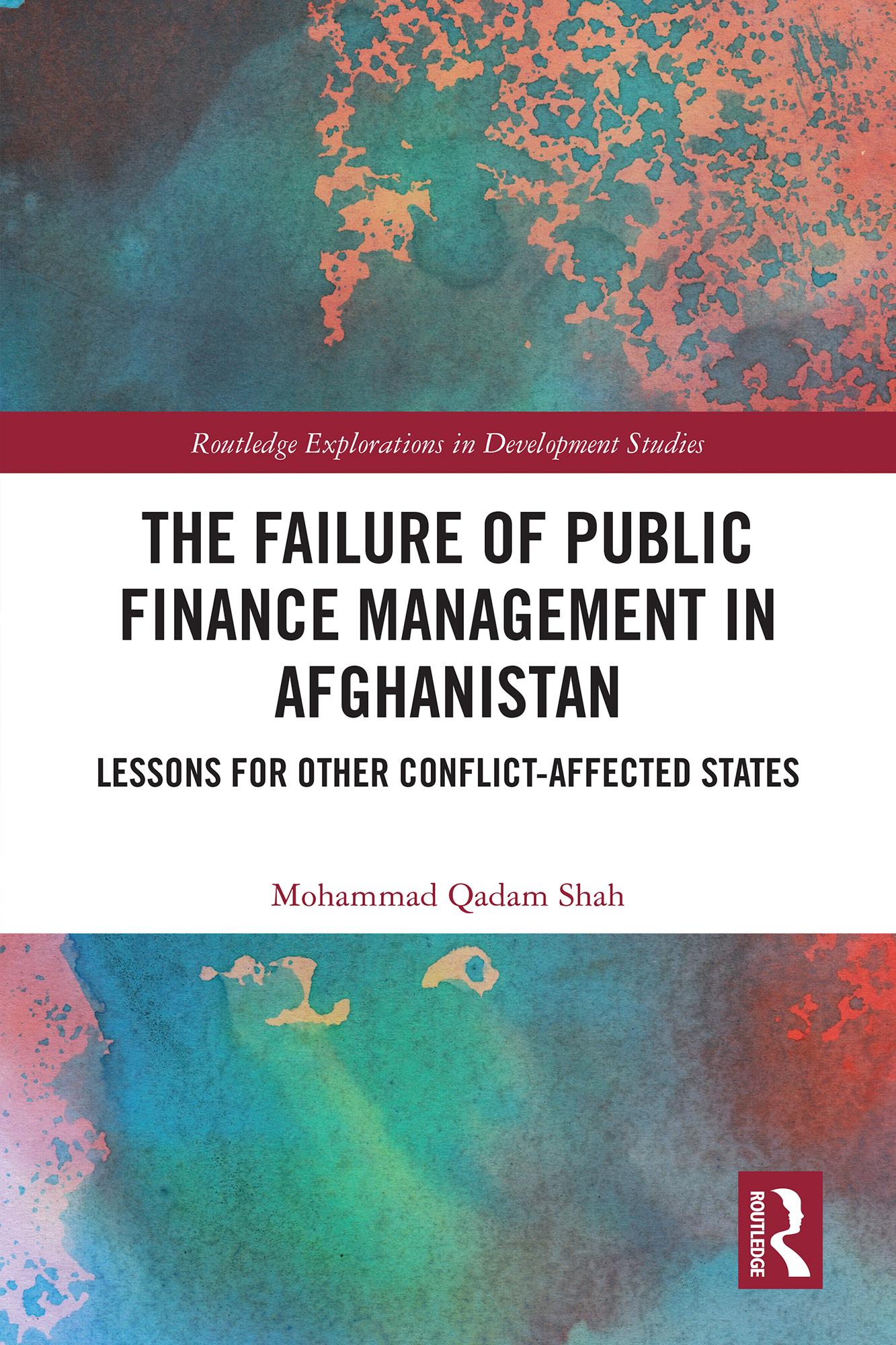
In rebuilding conflict-affected states, a major portion of foreign aid focuses on reforming public finance management systems and supporting annual budgets. However, how budgets are allocated and how reforms take shape in practice remain critical questions.
This book analyzes the politics of reform and budget allocation in the most expensive liberal state-building effort in history: Afghanistan. Through a detailed political economy analysis, it explores the origin, continuity, and evolution of Afghanistan’s centralized public finance management system. Such centralization, readopted in the 2004 Constitution, constrained local participation, perpetuated inequities, and undermined predictability and transparency. Key reforms including the “Provincial Development Planning Guideline” and “Provincial Budgeting Policy” aimed to address these shortcomings but failed due to political resistance, elite capture, and structural inefficiencies. The analysis reveals informal dynamics behind the allocation of discretionary development budget consisting of the Afghan central government’s political considerations (political relationship, political importance, and strength and weakness of local administrations) and lobbying strategies of local actors. This dynamic enabled the central government to continue to use public funds for purchasing political legitimacy to remain in power.
Afghanistan’s case highlights the limits of externally driven state-building that prioritizes centralization over local dynamics. The book offers key lessons on inclusive governance, structural barriers, and sustainable public finance reforms in conflict-affected states. It appeals to donors, development experts, and researchers in public finance, foreign aid, security, and development studies.
Before Memmo my notes were scattered across PDFs. Now a workspace pulls everything into one place — I see exactly what's still left to study.
Memmo's summaries are gold before exams. I don't have to re-read 800 pages two weeks before — just the important parts.
The AI chat has saved me the night before an exam more than once. I just keep asking until I get it — no waiting on a study group to reply.
The quizzes hit exactly what I need to know. Memmo tracks what I get stuck on — so I only practice what's worth it.
Flashcards with spaced repetition are magic. Memmo knows when I'm about to forget something and brings it back.
The AI podcasts are my favorite. I listen on my way to school and get a recap without sitting at a computer.

Handbok i kvalitativa metoder
281 kr

Hållbar utveckling: en introduktion för ingenjörer och andra problemlösare
334 kr

Brymans Samhällsvetenskapliga metoder
390 kr

Projektledning
491 kr

Den orättvisa hälsan: om socioekonomiska skillnader i hälsa och livslängd
326 kr

Vetenskapsteori för nybörjare
196 kr

Organizational Leadership
429 kr

På väg mot läraryrket
172 kr

Det sociala livet i skolan: Socialpsykologiska perspektiv
253 kr

Betygsättningens didaktik
151 kr

Personality
402 kr

Studying Leadership
404 kr

Managing Innovation
477 kr

Introduktion till samhällsvetenskaplig metod
347 kr

The Psychology of Sex and Gender
698 kr

Evidens och kunskap för socialt arbete
207 kr

Introduction to Leadership
605 kr