
Before Memmo my notes were scattered across PDFs. Now a workspace pulls everything into one place — I see exactly what's still left to study.
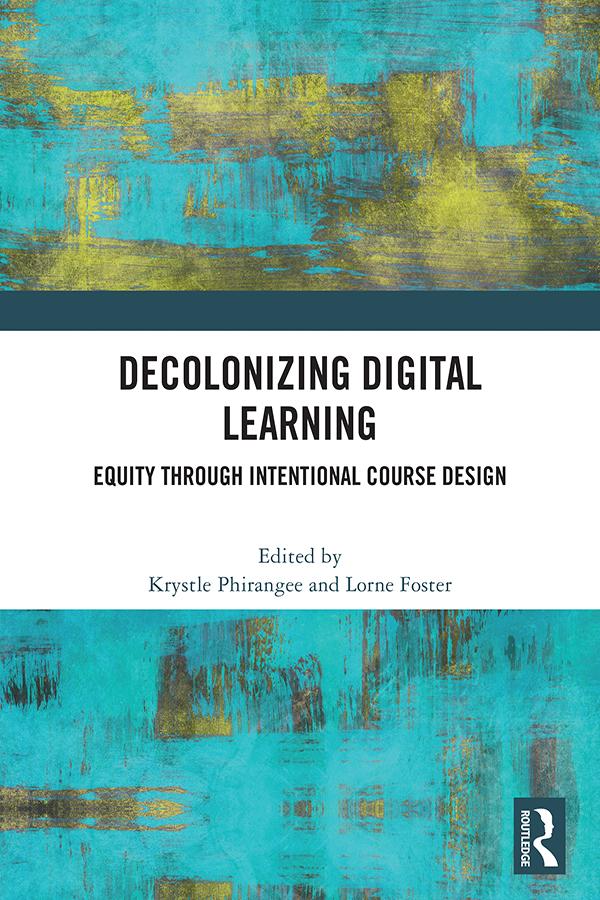
This book explores strategies to decolonize digital education, focusing on building inclusive, equitable online learning environments that respect and integrate diverse lived experiences and ways of knowing into the educational process. Addressing themes of accessibility, representation, and community-building, it offers reflective essays, teaching briefs, and research articles that highlight how digital platforms and online course design can evolve to support marginalized voices and foster collaborative, culturally responsive learning.
Recent trends toward decolonizing education highlight the critical need to address inequities in digital learning, especially in the age of generative AI. The shift to emergency remote teaching during COVID-19 exposed the digital divide, impacting students' ability to participate fully, with marginalized groups often bearing the brunt. Beyond just access to devices, issues like privacy, cultural representation, and inclusivity of diverse lived experiences in learning environments became apparent. As digital platforms increasingly shape knowledge production, they can embed power dynamics that marginalize certain voices. This book explores strategies to counter this by promoting a more inclusive curriculum, where digital platforms enable equity and diverse perspectives. Reflective essays, teaching briefs, and research articles within this book encourage educators to prioritize community, identity congruence, and culturally responsive teaching methods, transforming courses, especially online courses, into spaces for collaborative knowledge sharing and innovation.
This volume stresses the importance of incorporating Indigenous and marginalized perspectives to redefine education, pushing for a digital learning environment where all students’ experiences and insights are valued equally. It was originally published as a special issue of Distance Education.
Before Memmo my notes were scattered across PDFs. Now a workspace pulls everything into one place — I see exactly what's still left to study.
Memmo's summaries are gold before exams. I don't have to re-read 800 pages two weeks before — just the important parts.
The AI chat has saved me the night before an exam more than once. I just keep asking until I get it — no waiting on a study group to reply.
The quizzes hit exactly what I need to know. Memmo tracks what I get stuck on — so I only practice what's worth it.
Flashcards with spaced repetition are magic. Memmo knows when I'm about to forget something and brings it back.
The AI podcasts are my favorite. I listen on my way to school and get a recap without sitting at a computer.

Handbok i kvalitativa metoder
281 kr

Hållbar utveckling: en introduktion för ingenjörer och andra problemlösare
334 kr

Brymans Samhällsvetenskapliga metoder
390 kr

Projektledning
491 kr

Den orättvisa hälsan: om socioekonomiska skillnader i hälsa och livslängd
326 kr

Organizational Leadership
429 kr

Vetenskapsteori för nybörjare
196 kr

På väg mot läraryrket
172 kr

Det sociala livet i skolan: Socialpsykologiska perspektiv
253 kr

Betygsättningens didaktik
151 kr

Personality
402 kr

Studying Leadership
404 kr

Managing Innovation
477 kr

Introduktion till samhällsvetenskaplig metod
347 kr

The Psychology of Sex and Gender
698 kr

Evidens och kunskap för socialt arbete
207 kr

Introduction to Leadership
605 kr