
Before Memmo my notes were scattered across PDFs. Now a workspace pulls everything into one place — I see exactly what's still left to study.
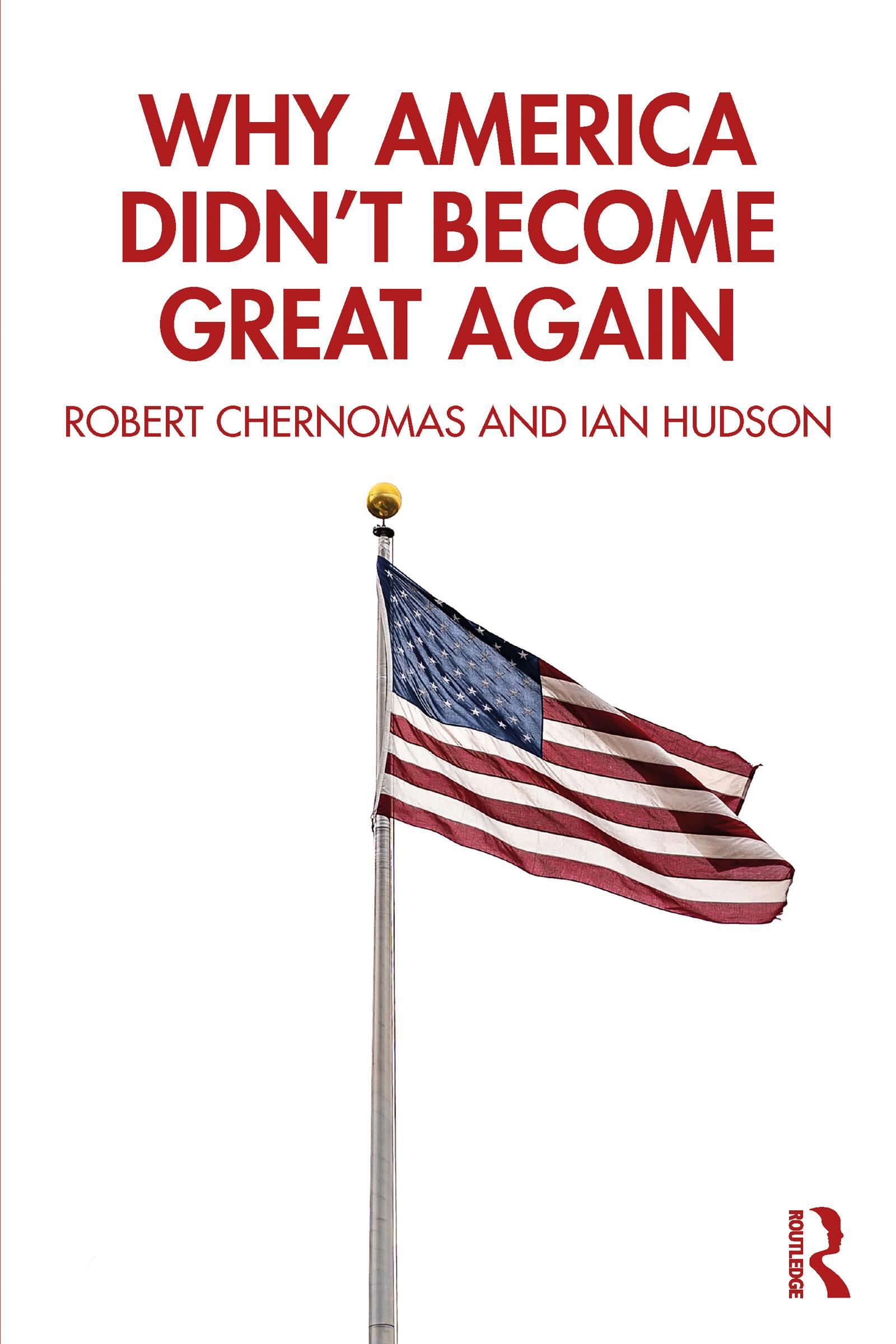
Examining the conditions that not only blocked attempts to make America great again but also actively made the country worse, Why America Didn’t Become Great Again identifies those organizations, institutions, politicians, and prominent characters in the forefront of the economic and social policies – ultimately asking who is responsible.
The period from the late 1970s to 2020s became the best of times for America’s corporate class. As profits grew along with the wealth and income that they delivered for their stockholders and management, their goal was to set new rules for the rest of us to live by with a clear class agenda. Institutions have been organized, government policies reoriented, and economists, journalists, and politicians recruited, funded, and promoted. And so it has not been the best of times for working families, as inequality, stagnant wages, debt, and ever longer working hours became their fate. This book critically analyzes those who very deliberately set out to implement policies enacted at the state and federal level in order to redistribute wealth and income upwards and change the balance of power in the United States in response to the class, gender, and racial challenges that resulted in compressed income and wealth differentials before the 1980s.
An essential book on contemporary inequality in America, Why America Didn’t Become Great Again surveys the past near half century that resulted in American economic instability and inequality, environmental crisis, a crumbling physical and harmful social infrastructure, among the very worst health outcomes, child poverty, food insecurity, and social mobility of the industrialized countries culminating in a Trump regime and the road to further ruin.
Also from Robert Chernomas: 'Why America hasn’t become great again', in The Conversation
Before Memmo my notes were scattered across PDFs. Now a workspace pulls everything into one place — I see exactly what's still left to study.
Memmo's summaries are gold before exams. I don't have to re-read 800 pages two weeks before — just the important parts.
The AI chat has saved me the night before an exam more than once. I just keep asking until I get it — no waiting on a study group to reply.
The quizzes hit exactly what I need to know. Memmo tracks what I get stuck on — so I only practice what's worth it.
Flashcards with spaced repetition are magic. Memmo knows when I'm about to forget something and brings it back.
The AI podcasts are my favorite. I listen on my way to school and get a recap without sitting at a computer.

Handbok i kvalitativa metoder
281 kr

Hållbar utveckling: en introduktion för ingenjörer och andra problemlösare
334 kr

Brymans Samhällsvetenskapliga metoder
390 kr

Projektledning
491 kr

Den orättvisa hälsan: om socioekonomiska skillnader i hälsa och livslängd
326 kr

Vetenskapsteori för nybörjare
196 kr

Organizational Leadership
429 kr

På väg mot läraryrket
172 kr

Det sociala livet i skolan: Socialpsykologiska perspektiv
253 kr

Betygsättningens didaktik
151 kr

Personality
402 kr

Studying Leadership
404 kr

Managing Innovation
477 kr

Introduktion till samhällsvetenskaplig metod
347 kr

The Psychology of Sex and Gender
698 kr

Evidens och kunskap för socialt arbete
207 kr

Introduction to Leadership
605 kr