
Before Memmo my notes were scattered across PDFs. Now a workspace pulls everything into one place — I see exactly what's still left to study.
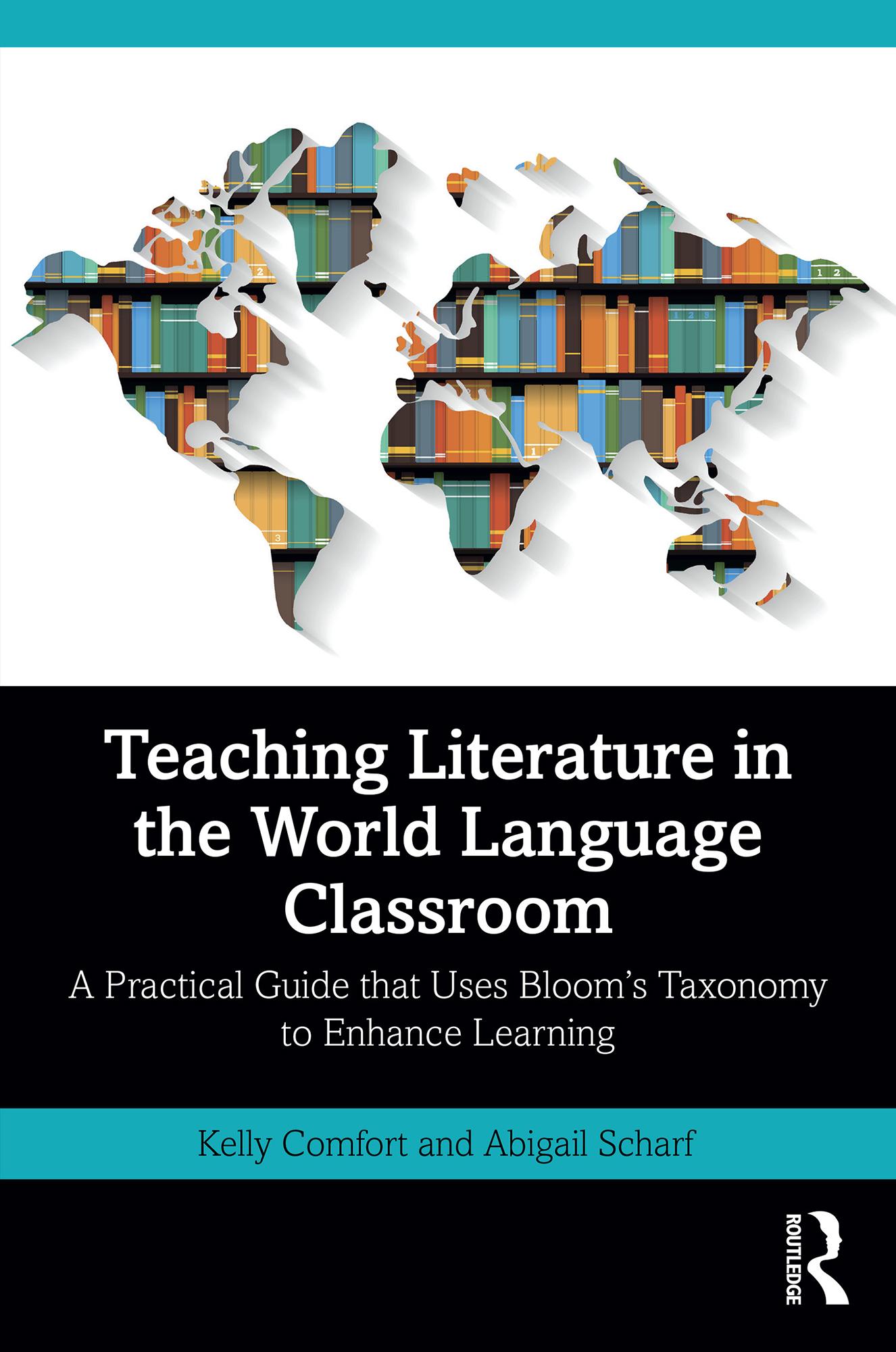
Teaching Literature in the World Language Classroom presents a five-stage methodology for teaching literature in language curriculum that repurposes Bloom’s original and revised taxonomy to promote the language acquisition process and spark other types of learning.
The first step of text selection, preparation, and initiation asks students to: recognize familiar words, structures, and concepts; contextualize the reading; and remember the main details of the text. The second stage of beginning literary analysis gets target-language learners to describe, identify, and understand the basic elements of plot, character, setting, and narration. The third phase of intermediate literary analysis prompts students to interpret, analyze, and examine major themes, key passages, and the overall commentary. The fourth step of advanced literary analysis teaches students to synthesize multiple and conflicting interpretations, compare assigned texts across units or themes, and evaluate works through essay writing. The fifth stage of reflective and creative engagement challenges students to relate the assigned texts to themselves through personal and intercultural reflection, create new artistic works, and produce unique texts in the target language. The concluding chapter showcases all five stages of the methodology by applying them to a sample text, thereby inviting world language educators to assess the potential usefulness of Comfort and Scharf’s approach to their own language courses.
This is an ideal resource for world language educators teaching literature as well as undergraduate and graduate education students focusing on target-language literature instruction and its role in the language acquisition process.
Before Memmo my notes were scattered across PDFs. Now a workspace pulls everything into one place — I see exactly what's still left to study.
Memmo's summaries are gold before exams. I don't have to re-read 800 pages two weeks before — just the important parts.
The AI chat has saved me the night before an exam more than once. I just keep asking until I get it — no waiting on a study group to reply.
The quizzes hit exactly what I need to know. Memmo tracks what I get stuck on — so I only practice what's worth it.
Flashcards with spaced repetition are magic. Memmo knows when I'm about to forget something and brings it back.
The AI podcasts are my favorite. I listen on my way to school and get a recap without sitting at a computer.

Handbok i kvalitativa metoder
281 kr

Hållbar utveckling: en introduktion för ingenjörer och andra problemlösare
334 kr

Brymans Samhällsvetenskapliga metoder
390 kr

Projektledning
491 kr

Den orättvisa hälsan: om socioekonomiska skillnader i hälsa och livslängd
326 kr

Organizational Leadership
429 kr

Vetenskapsteori för nybörjare
196 kr

På väg mot läraryrket
172 kr

Det sociala livet i skolan: Socialpsykologiska perspektiv
253 kr

Betygsättningens didaktik
151 kr

Personality
402 kr

Studying Leadership
404 kr

Managing Innovation
477 kr

Introduktion till samhällsvetenskaplig metod
347 kr

The Psychology of Sex and Gender
698 kr

Evidens och kunskap för socialt arbete
207 kr

Introduction to Leadership
605 kr